Transforming Your Bedroom: A Guide to Optimal Lighting and Sound for Sleep Quality
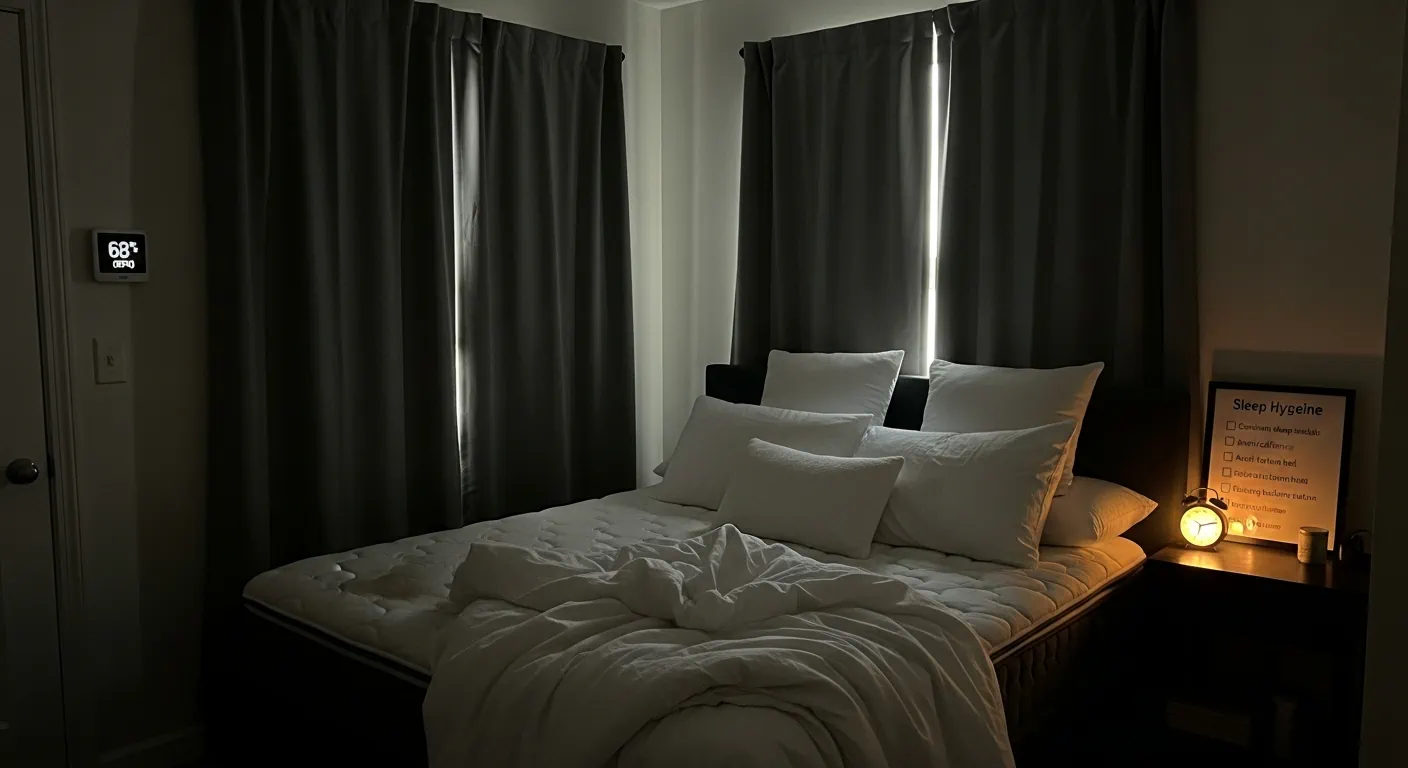
Transforming Your Bedroom: A Guide to Optimal Lighting and Sound for Sleep Quality
Achieving consistent, high-quality sleep is fundamental for overall health and well-being. Often, the solution lies not in complex treatments, but in transforming your bedroom into an environment perfectly tuned for rest. This guide focuses on two critical, yet frequently underestimated, elements: lighting and sound. By strategically adjusting these factors, you can create a personalized sleep sanctuary that promotes deeper, more restorative slumber, effectively improving your sleep quality improvement.
Key Points for Better Sleep:
- Light Control: Prioritize absolute darkness at night and warm, dim lighting pre-sleep.
- Sound Management: Block disruptive noises and introduce calming, consistent sound.
- Circadian Alignment: Sync your bedroom with your body's natural sleep-wake cycle.
- Smart Integration: Use technology for effortless, automated environmental control.
- Consistency: Maintain your optimized environment for long-term sleep benefits.
Optimal Lighting in Your Bedroom for Better Sleep
Light is the most powerful external cue for our circadian rhythm, our internal body clock that governs sleep and wakefulness. Inappropriate light exposure, especially in the evening, can significantly disrupt melatonin production, the hormone crucial for initiating sleep. Understanding and controlling your bedroom's lighting is a cornerstone of effective insomnia solutions.
How Light Affects Your Sleep and Melatonin
Our bodies are highly sensitive to blue light, commonly emitted by screens and many modern LED bulbs. Exposure to this light spectrum in the evening tricks the brain into thinking it's daytime, suppressing melatonin. This makes it harder to fall asleep and can compromise the quality of sleep once achieved. Conversely, dim, warm light signals to your body that it's time to prepare for rest.
Implementing a Smart Lighting Strategy for Sleep
- Embrace Absolute Darkness: The foundation of optimal sleep lighting is total darkness. Even small light sources can interfere with melatonin synthesis and disrupt sleep architecture.
- Blackout Solutions: Invest in quality blackout curtains or blinds that eliminate all external light.
- Eye Masks: A comfortable sleep mask provides an excellent personal darkness solution, especially for travelers.
- Cover LEDs: Use tape to cover any glowing indicator lights on electronics, chargers, or smoke detectors.
- Strategic Evening Light Exposure: The hour or two before bedtime is crucial for signaling rest.
- Dim Gradually: Lower all lights in your home as evening progresses.
- Warm-Toned Bulbs: Switch to bulbs with a lower color temperature (2700K or less) in your bedroom and pre-sleep areas. Amber or red-spectrum lights are highly effective due to their minimal blue light content, promoting natural melatonin release.
- Screen Avoidance: Minimize exposure to blue light-emitting devices (smartphones, tablets, TVs) at least 60-90 minutes before sleep. If unavoidable, use blue light filtering software or glasses.
Differentiated Insight: Dynamic Lighting for Circadian Rhythm Support
Beyond simple dimming, advanced smart lighting systems offer dynamic control to perfectly align with your circadian rhythm. These Wi-Fi-connected bulbs can be programmed to emit bright, cool light in the morning to aid waking, then gradually transition to a warm, amber glow as bedtime approaches. This adaptive approach supports your body's natural cycle more effectively than static lighting. A 2024 study in the Journal of Sleep Research demonstrated that personalized, timed light exposure significantly improved sleep onset and overall sleep efficiency in individuals with mild sleep disturbances, offering a sophisticated component to transforming your bedroom.
Mastering Sound for a Restful Sleep Environment
Just as critical as light, sound profoundly influences our ability to fall asleep and stay asleep. Our brains continue to monitor sounds during sleep, and sudden or loud noises can trigger arousal, pulling us out of crucial deep sleep stages, even if we don't fully wake. Creating a quiet and consistent bedroom sleep environment is essential.
The Impact of Sound on Sleep Stages
Disruptive noises can elevate heart rate and blood pressure, causing micro-arousals that fragment sleep. Even if you don't recall waking, these interruptions reduce restorative sleep. Conversely, a consistent, non-threatening sound environment can mask these disturbances, fostering more stable sleep.
Strategies for Sound Control and Enhancement
- Block Unwanted Noise: The primary goal is to minimize external and internal noise pollution.
- Soundproofing: Seal gaps around windows and doors, use heavy sound-absorbing curtains, or consider professional soundproofing for significant issues.
- Noise-Canceling Earplugs: These are highly effective for light sleepers or those in particularly noisy areas.
- Quiet Appliances: Ensure any bedroom appliances, like fans or air purifiers, operate with a consistent, low hum rather than abrupt changes.
- Introduce Soothing Soundscapes: Once disruptive noises are managed, strategically adding beneficial sounds can further enhance sleep quality improvement.
- White Noise Machines: These generate a consistent, ambient sound (like static or a gentle fan) that masks sudden noises, promoting stable sleep.
- Pink Noise and Brown Noise: Pink noise (deeper, lower frequencies like rainfall) and brown noise (even deeper, like a strong waterfall) are increasingly popular. A 2023 meta-analysis by the Sleep Foundation highlighted a marginal but statistically significant improvement in slow-wave sleep duration with consistent pink noise exposure, making them valuable insomnia solutions.
- Nature Sounds: Gentle rain, ocean waves, or calming natural soundscapes can provide a relaxing backdrop for sleep.
Differentiated Insight: Personalized Sound Sanctuaries and Binaural Beats
Modern sleep science is evolving beyond generic white noise to personalized soundscapes and binaural beats. Smart sleep devices and specialized apps can analyze your environment and deliver adaptive audio, or produce binaural beats — auditory illusions that encourage specific brainwave states associated with deep sleep (delta waves). This tailored approach allows for a truly customized auditory experience, further transforming your bedroom into an optimized haven for rest, and is a cutting-edge strategy for sleep quality improvement. Understanding the science of white noise and how it improves sleep can help you choose the right sound solution for your needs.
Integrating Smart Technology for an Optimal Sleep Environment
The synergy of smart home technology with lighting and sound offers unparalleled control in transforming your bedroom into an intelligent sleep sanctuary. Automated schedules and voice commands simplify maintaining ideal conditions.
- Smart Bulbs: Easily control brightness, color temperature, and set automated dimming/brightening schedules via an app or voice assistant, perfectly mimicking natural light cycles.
- Smart Sleep Trackers: Devices often include environmental sensors that monitor light and sound levels, providing data to help you pinpoint and address disturbances.
- Smart Sound Machines: Wi-Fi connected devices offer vast libraries of sounds, schedule capabilities, and integration with other smart home systems, including specific frequencies of pink and brown noise.
Enhancing Your Bedroom for Deep Rest: Practical Steps
- Audit Your Space: Spend a night consciously observing all light and sound sources. Note any hidden LEDs, external noise, or inconsistent sounds.
- Implement Gradually: Don't feel pressured to change everything at once. Start with blackout curtains, then experiment with warm-toned bulbs, and finally, introduce a sound machine.
- Consistency is Vital: Once you've established your optimal bedroom sleep environment, stick to it. Your body thrives on routine and consistent cues.
- Educate Yourself Further: Understanding the science behind these recommendations empowers you. For deeper insights into your body's natural rhythms and how they affect sleep, explore the connection between circadian rhythm and better sleep.
Frequently Asked Questions (FAQ)
What type of light is best for winding down before bed?
Warm-toned lights, specifically those with a color temperature of 2700K or lower, are ideal for the evening. Amber or red-spectrum lights are particularly effective as they contain minimal blue light, which can suppress melatonin production. This helps naturally signal to your body that it's time to prepare for sleep and enhances sleep quality improvement.
Can white noise really improve sleep, or is it just a distraction?
White noise can significantly improve sleep quality by masking sudden or inconsistent noises that might otherwise disrupt your sleep. It creates a consistent, low-level sound environment that helps your brain remain in deeper sleep stages, preventing disruptive sounds from pulling you out of rest. Many find it less of a distraction and more of a calming constant for insomnia solutions.
How do I know if my bedroom is dark enough for optimal sleep?
To test for optimal darkness, stand in your bedroom during the darkest part of the night. If you can clearly see your hand in front of your face, or easily distinguish furniture shapes, it's likely not dark enough. Aim for a level of darkness where you cannot see anything without significant effort. Small light leaks, even from digital clocks, should be covered to achieve a truly dark bedroom sleep environment.
Are smart bulbs worth it for improving sleep?
Smart bulbs offer incredible flexibility and control, allowing you to easily adjust brightness and color temperature to align with your sleep schedule. You can program them to dim gradually in the evening and brighten gently in the morning, creating an automated sleep-wake cycle. For those committed to transforming your bedroom into a truly optimized sleep environment, smart bulbs are a valuable investment.
Conclusion: Embrace Your Sleep Sanctuary
Transforming your bedroom through thoughtful attention to lighting and sound is more than just redecorating; it's a proactive investment in your health. By understanding how these environmental factors profoundly influence your biology, you can curate a space that actively promotes restful sleep. From achieving absolute darkness to introducing soothing soundscapes, every adjustment moves you closer to unlocking deeper, more restorative nights and achieving consistent sleep quality improvement.
Take the first step today towards a revitalized sleep experience. Share your bedroom transformation tips in the comments below, or subscribe to our newsletter for more insights on enhancing your sleep quality. For a broader understanding of sleep challenges and solutions, explore our general /categories/insomnia-relief category.
Future Exploration & Updates:
- Advanced Sleep Tracking Integration: How wearables and smart mattresses can provide real-time environmental adjustments.
- Aromatherapy for Sleep: The role of essential oils and diffusers in creating a comprehensive sleep environment.
- Temperature Control & Air Quality: The impact of room temperature and indoor air purity on sleep quality, expanding the definition of an optimal sleep sanctuary.
Timeliness Note: This article was published on December 14, 2025. Information regarding sleep science, especially in environmental control technology, is dynamic. We recommend reviewing updated research every 12-18 months to ensure you have the latest insights for optimizing your sleep environment.