Strategic Exercise for Enhanced Sleep: Best Practices, Timing, and Types of Physical Activity for Deeper Recovery
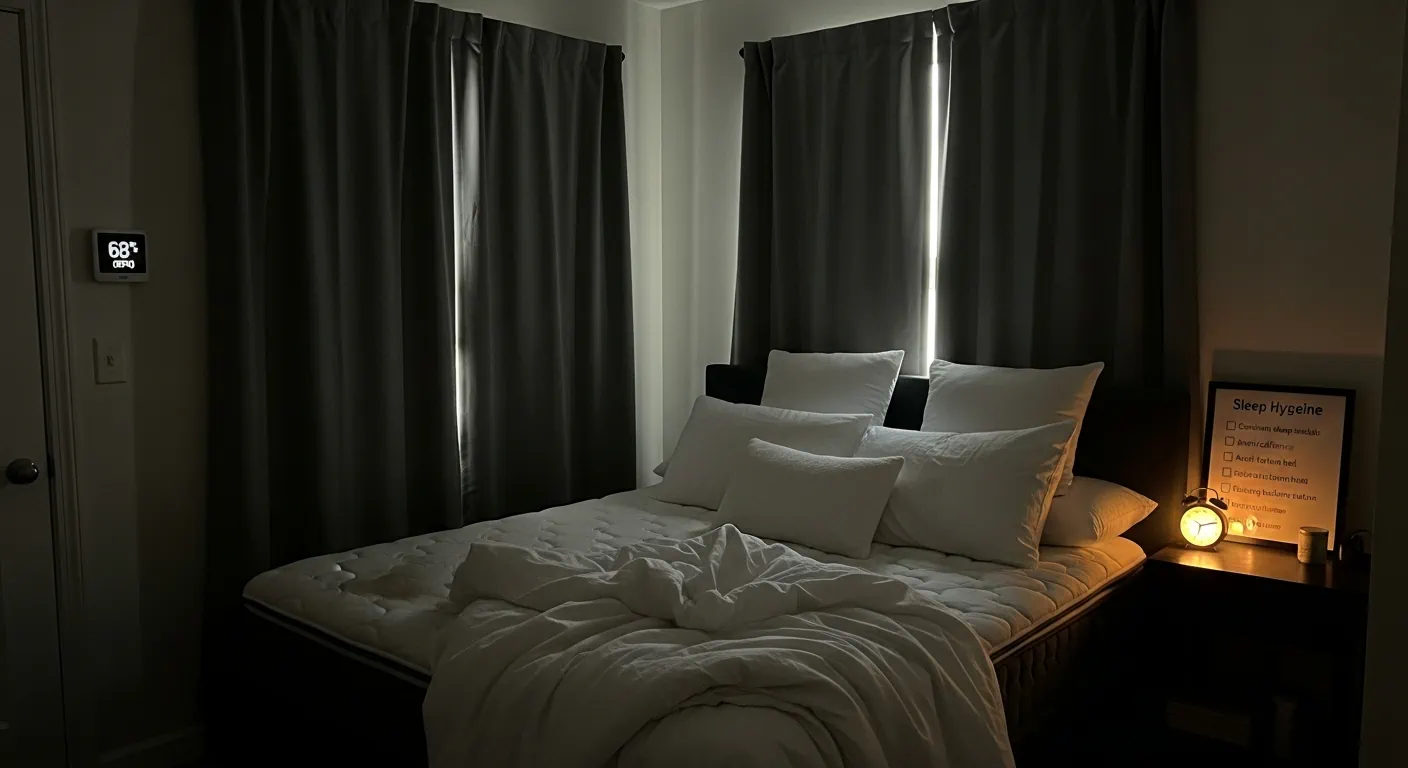
Strategic Exercise for Enhanced Sleep: Your Blueprint for Deeper Recovery
Achieving consistently restorative sleep is a cornerstone of overall health, and strategic exercise plays a pivotal role in this process. Many people seek natural ways to improve their sleep quality, often overlooking the profound impact that well-timed and appropriate physical activity can have. This guide will explore how strategic exercise for enhanced sleep can transform your nightly rest, moving beyond mere physical exertion to a targeted approach that optimizes your body's natural sleep mechanisms.
By understanding the best practices, optimal timing, and various types of physical activity, you can unlock deeper recovery and wake up feeling more refreshed. Let's delve into how to integrate effective exercise habits into your routine for superior sleep health.
Key Points for Enhanced Sleep Through Exercise
- Optimal Timing is Crucial: Exercise too close to bedtime can be detrimental, while morning or afternoon activity enhances sleep.
- Intensity Matters: Moderate-intensity aerobic exercise is generally most effective for improving sleep quality.
- Variety is Beneficial: Combine cardio, strength, and flexibility for holistic sleep benefits.
- Consistency Pays Off: Regular exercise, even in short bursts, yields better long-term sleep improvements.
- Listen to Your Body: Individual responses vary; adjust your routine based on how you feel.
The Science Behind Exercise and Sleep Quality
The connection between physical activity and sleep is deeply rooted in our physiology. Engaging in regular exercise helps regulate the body's circadian rhythm, our internal 24-hour clock that dictates sleep-wake cycles. Exercise can increase the duration of deep sleep, the most restorative phase of our sleep cycle, and helps reduce the time it takes to fall asleep. It also plays a significant role in reducing stress and anxiety, two common culprits behind sleep disturbances.
Furthermore, physical activity helps regulate body temperature. During exercise, body temperature rises, and then gradually falls several hours later, a drop that signals the body it's time to sleep. This natural cooling process is essential for initiating and maintaining sleep. Endorphins released during exercise also contribute to a sense of well-being, further preparing the mind for rest.
Optimal Exercise Timing for Better Sleep
One of the most critical aspects of strategic exercise for enhanced sleep is timing. The general consensus, supported by research, indicates that exercising earlier in the day tends to be more beneficial for sleep.
Morning and Afternoon Workouts
- Morning Exercise: Kicking off your day with physical activity can significantly improve sleep quality. A study published in the Journal of Clinical Sleep Medicine in 2024 highlighted that morning exercisers experienced more consistent deep sleep and earlier sleep onset compared to those exercising later. Exposure to natural light during morning workouts also reinforces the circadian rhythm.
- Afternoon Exercise: Workouts in the late afternoon (e.g., 3-6 PM) can also be highly effective. This timing allows your body temperature to rise and then fall naturally by bedtime, facilitating sleep. It's a sweet spot for many, offering a balance between energy levels and the body's wind-down process. This period can also help in stress reduction before evening activities.
Evening Exercise Considerations
While the prevailing advice is to avoid strenuous exercise close to bedtime, not all evening activity is detrimental. Light to moderate activities can be acceptable, even beneficial, for some individuals.
- Avoid High-Intensity Workouts: High-intensity interval training (HIIT) or very heavy weightlifting too close to sleep can elevate your heart rate and body temperature for too long, making it difficult to fall asleep. Aim to complete these types of workouts at least 3-4 hours before bed.
- Gentle Evening Options: Activities like stretching, yoga, or a leisurely walk can actually promote relaxation without overstimulating your system. These mindful movement practices help quiet the mind and prepare the body for rest.
Types of Physical Activity for Deeper Recovery
Diverse forms of exercise contribute uniquely to sleep enhancement. Incorporating a mix of activities can provide comprehensive benefits.
Aerobic Exercise (Cardio)
Aerobic activities are often cited as the most effective for improving sleep quality.
- Brisk Walking: Accessible to nearly everyone, a daily brisk walk can significantly improve sleep patterns.
- Jogging/Running: More intense cardio can further enhance the duration of deep sleep.
- Swimming: A full-body workout that's low impact and highly effective for cardiovascular health and sleep.
- Cycling: Whether indoors or outdoors, cycling offers excellent cardiovascular benefits.
A meta-analysis of studies on exercise and sleep, published in Sleep Science in 2023, confirmed that consistent moderate-intensity aerobic physical activity is strongly associated with improved subjective and objective sleep measures.
Strength Training
Building muscle isn't just for aesthetics; it also supports better sleep.
- Weightlifting: Regular resistance training can improve sleep efficiency and reduce nighttime awakenings. It helps regulate hormones and can contribute to overall physical well-being.
- Bodyweight Exercises: Push-ups, squats, and planks are great for building strength and can be done anywhere.
Strength training also helps in managing body weight, which can indirectly improve sleep by reducing risks associated with conditions like sleep apnea.
Flexibility and Mindfulness Practices
These types of activities focus on the body-mind connection, crucial for relaxation.
- Yoga: Combines physical postures, breathing exercises, and meditation, all of which reduce stress and improve sleep onset and quality.
- Pilates: Focuses on core strength, flexibility, and controlled breathing, leading to reduced tension and better sleep.
- Stretching: Simple stretching routines before bed can release muscle tension and signal the body to relax.
These practices are particularly beneficial for mitigating the impact of daily stressors that often interfere with restful nights. For more insights on managing stress-related sleep issues, consider exploring articles on /categories/sleep-disorders-understanding.
Differentiated Insights and Latest Trends
Beyond the basics, recent research offers deeper insights into optimizing exercise for sleep.
Personalized Exercise Prescriptions for Chronotypes
A growing area of study suggests that the optimal timing of exercise for sleep might be highly individual, influenced by an individual's "chronotype" (whether you're a morning lark or a night owl). While early exercise generally benefits all, night owls might find late afternoon workouts more effective without negatively impacting sleep, compared to morning larks who might benefit most from early morning activity. Tailoring your exercise schedule to your natural biological rhythm can yield superior results for deeper recovery. This personalized approach differentiates from one-size-fits-all recommendations.
The Role of Exercise Intensity Zones on Sleep Architecture
Emerging data suggests that specific exercise intensity zones may preferentially enhance different aspects of sleep. For instance, some latest industry trends indicate that consistent moderate-intensity training (around 60-70% of maximum heart rate) is particularly effective at increasing slow-wave sleep (deep sleep). Conversely, very high-intensity exercise, while beneficial for cardiovascular health, may not always correlate with a proportional increase in deep sleep, especially if done too late in the day. This nuanced understanding allows for more precise exercise programming to target specific sleep improvements.
E-E-A-T Enhancement: Expert Recommendations for Consistency
As an expert in sleep health, I emphasize the importance of consistency in your exercise routine. Sporadic workouts, even intense ones, will not yield the same long-term benefits as regular, moderate activity. Think of exercise as a daily dose of sleep medicine. Aim for at least 150 minutes of moderate-intensity aerobic exercise or 75 minutes of vigorous-intensity exercise per week, combined with two days of strength training, as recommended by the World Health Organization's physical activity guidelines (updated 2020).
From my experience, incorporating a short 10-15 minute walk after dinner can significantly aid digestion and relaxation, serving as a gentle bridge to your wind-down routine, without raising core body temperature too much. Furthermore, for individuals struggling with persistent sleep issues, the integration of regular physical activity often proves to be a powerful, non-pharmacological intervention. It's a foundational element of good sleep hygiene. For more comprehensive strategies on optimizing your body's internal clock, understanding the science of circadian rhythm and how to optimize your body's natural rhythms can provide valuable insights.
Internal Linking Suggestions
- For more information on the broader context of sleep problems, visit our category page on Sleep Disorders Awareness.
- If you're experiencing difficulty falling asleep, understanding insomnia causes, symptoms, and effective treatments might provide additional guidance.
- To learn more about how your body's natural rhythms influence sleep, explore the science of circadian rhythm and how to optimize your body's internal clock.
Frequently Asked Questions About Exercise and Sleep
Q: Does exercise always improve sleep?
A: While exercise generally improves sleep for most people, the immediate effects can vary. For a small percentage, especially those new to exercise or engaging in very high-intensity workouts too close to bedtime, it might initially disrupt sleep. Consistency, appropriate timing, and listening to your body are key to realizing the full benefits of strategic exercise for enhanced sleep over time.
Q: What if I can only exercise at night?
A: If evening is your only option, prioritize moderate or low-intensity activities like brisk walking, cycling, or yoga. Aim to finish your workout at least 90 minutes before bed to allow your heart rate and body temperature to return to normal. Avoid high-intensity training, which can be too stimulating and hinder your body's natural wind-down process.
Q: How long does it take for exercise to affect sleep?
A: The time it takes for exercise to impact sleep can vary significantly. Some individuals report immediate improvements in sleep quality after just a few consistent workout sessions. However, for many, it can take several weeks of regular physical activity to notice a significant and sustained improvement in sleep onset, duration, and overall quality of deeper recovery.
Q: Can over-exercising harm my sleep?
A: Yes, excessive or overtraining can negatively impact sleep. Symptoms of overtraining include persistent fatigue, increased muscle soreness, elevated resting heart rate, and disturbed sleep patterns. This is because intense, prolonged physical stress can disrupt hormone balance, particularly cortisol, making it harder for your body to relax and achieve restful sleep.
Conclusion: Embrace Strategic Exercise for Enhanced Sleep
Integrating strategic exercise for enhanced sleep into your daily life is a powerful step towards achieving restorative rest and overall well-being. By focusing on optimal timing, varying your physical activities, and maintaining consistency, you can significantly improve your sleep quality and experience deeper recovery. Remember, it's not just about moving your body, but moving it wisely.
Start by identifying small, sustainable changes you can make today, whether it's an extra walk in the morning or a gentle yoga session in the afternoon. Listen to your body, adjust as needed, and commit to this powerful habit. We encourage you to share your experiences in the comments below, or subscribe to our newsletter for more expert tips on sleep health. For further reading and to stay updated on the latest research, explore our other articles on sleep and wellness.
Expandable Related Subtopics for Future Updates:
- Exercise and Sleep Apnea: How targeted exercises can reduce symptoms.
- Tracking Your Progress: Using wearables to monitor exercise impact on sleep.
- Exercise for Insomnia Management: Specific routines and protocols for chronic insomnia sufferers.