Reset Your Body Clock: Practical Strategies to Align Your Circadian Rhythm for Optimal Health
Reset Your Body Clock: Practical Strategies to Align Your Circadian Rhythm for Optimal Health
Are you constantly feeling tired, struggling with sleep, or experiencing energy dips throughout the day? The culprit might be a misaligned circadian rhythm, your body's internal 24-hour clock. Learning how to reset your body clock is not just about getting more sleep; it's about optimizing your entire physiological system. Aligning your circadian rhythm impacts everything from your mood and metabolism to cognitive function and immune health. This guide will provide you with practical, evidence-based strategies to synchronize your internal clock with the natural world, paving the way for sustained energy, better sleep, and vibrant health. It's time to take control of your well-being by mastering your rhythm.
Key Points:
- Light Exposure is Key: Strategic light exposure is the most powerful tool for rhythm regulation.
- Consistency is Crucial: Maintain a regular sleep and wake schedule, even on weekends.
- Diet & Exercise Matter: What and when you eat, along with physical activity, profoundly influences your body clock.
- Environment Optimization: Create a sleep-conducive environment for better alignment.
- Patience & Persistence: Resetting your rhythm takes time and consistent effort.
Understanding Your Circadian Rhythm: The Master Clock
Your circadian rhythm is a complex biological process that regulates the sleep-wake cycle and many other physiological functions over roughly 24 hours. At its core is the suprachiasmatic nucleus (SCN) in the brain, often called the "master clock." This internal clock is primarily influenced by external cues, known as zeitgebers, with light being the most significant. When your internal clock is out of sync with these external cues, you might experience issues like insomnia, fatigue, and even chronic health problems. Understanding this fundamental mechanism is the first step toward learning how to reset your body clock effectively.
Beyond sleep, your circadian rhythm influences hormone release, body temperature, digestion, and even gene expression. A properly aligned circadian rhythm means your body's systems are working in harmony, performing tasks at their optimal times. Conversely, chronic misalignment, common in shift workers or those with inconsistent routines, has been linked to increased risks of metabolic disorders, cardiovascular disease, and certain cancers. It’s clear that supporting this rhythm is crucial for long-term health.
Practical Strategies to Reset Your Body Clock Effectively
To truly reset your body clock, a multi-faceted approach addressing various lifestyle elements is most effective. These strategies focus on leveraging powerful zeitgebers to send clear signals to your master clock, guiding it back to an optimal schedule. Consistency is paramount when implementing these changes to ensure lasting results.
Harnessing the Power of Light Exposure
Light is the single most important cue for your circadian rhythm. Strategic exposure to natural light at specific times can significantly help to align your circadian rhythm.
- Morning Light (30-60 minutes): Seek bright, natural light within an hour of waking. This signals to your brain that it's daytime, suppressing melatonin production and boosting alertness. Step outside, open curtains, or use a light therapy lamp. This is a powerful way to kickstart your day and reset your body clock.
- Minimize Evening Light (2-3 hours before bed): As evening approaches, reduce exposure to artificial light, especially blue light emitted from screens. Blue light can suppress melatonin, delaying sleep onset. Use dimmers, wear blue-light blocking glasses, or switch to "night mode" on devices. According to a 2024 review published in Sleep Medicine Reviews, consistent evening light reduction is one of the most impactful interventions for rhythm correction.
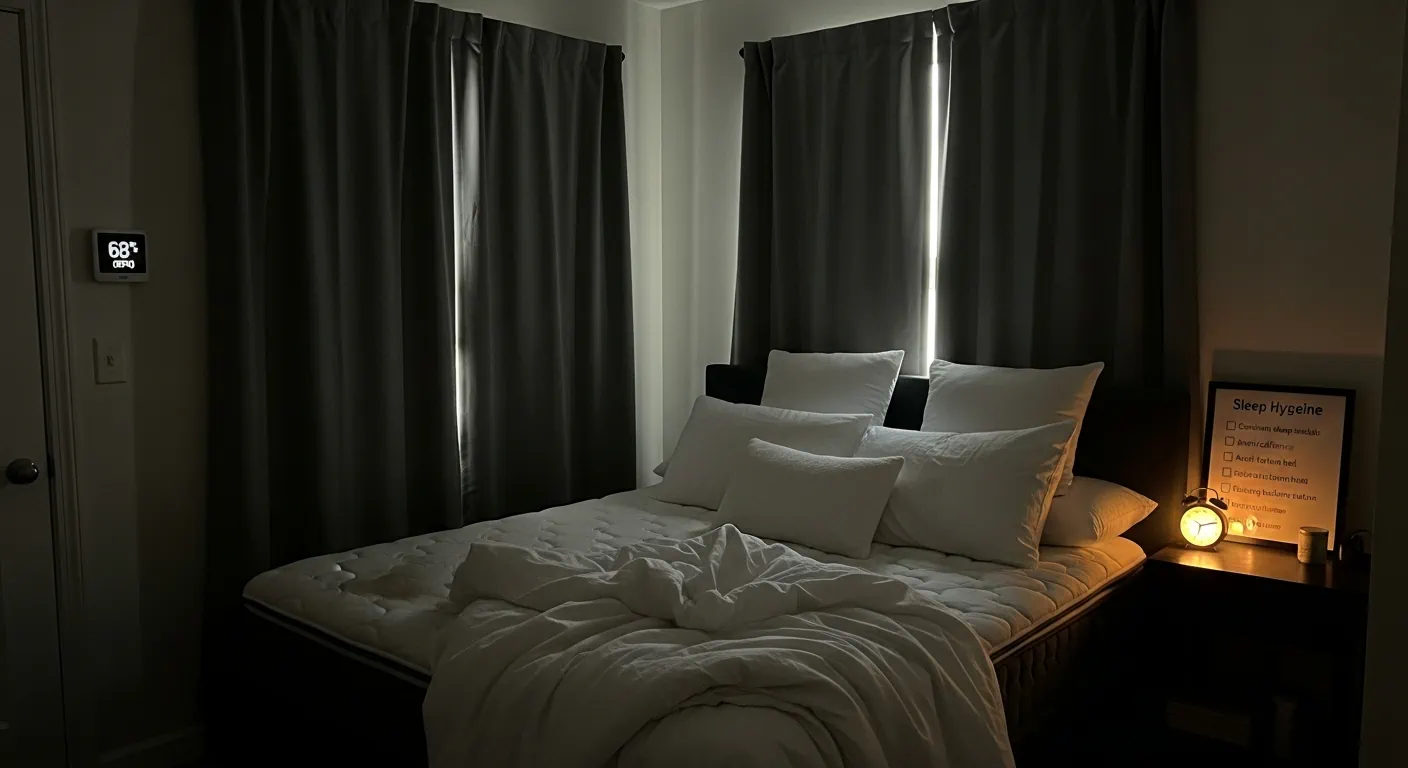
- Darkness at Night: Ensure your sleep environment is as dark as possible. Even small amounts of light can disrupt melatonin production. Consider blackout curtains or an eye mask.
Establishing a Consistent Sleep-Wake Schedule
One of the simplest yet most challenging strategies for many is adhering to a strict sleep-wake schedule. This means going to bed and waking up at the same time every day, including weekends.
- Fixed Wake-Up Time: This is often more critical than a fixed bedtime. A consistent wake-up time helps to anchor your rhythm. Even if you had a poor night's sleep, try to stick to your schedule.
- Consistent Bedtime: Aim for a bedtime that allows for 7-9 hours of sleep. Listen to your body's natural signals of tiredness rather than forcing sleep. Understanding your sleep cycles can provide more detailed insights into optimal sleep timing.
Optimizing Your Environment for Circadian Alignment
Your immediate surroundings play a significant role in supporting or disrupting your circadian rhythm. Creating a "sleep sanctuary" is vital.
- Temperature: Keep your bedroom cool, ideally between 60-67°F (15-19°C). A drop in core body temperature is a natural signal for sleep.
- Sound: Minimize noise disturbances. Use earplugs, a white noise machine, or consider soundproofing options.
- Comfort: Ensure your mattress, pillows, and bedding are comfortable and supportive. A comfortable sleep environment reduces tossing and turning.
Lifestyle Adjustments for a Harmonious Circadian Rhythm
Beyond light and sleep timing, several other lifestyle factors profoundly influence your body's master clock. Integrating these adjustments can significantly enhance your ability to align your circadian rhythm.
Dietary Habits and Meal Timing
What you eat and, crucially, when you eat can influence your body clock. Your digestive system also has its own circadian rhythm.
- Consistent Meal Times: Eating meals at regular times each day helps reinforce your body's internal clock.
- Avoid Late-Night Eating: Consuming large meals or heavy snacks close to bedtime can disrupt digestion and sleep. Try to finish eating 2-3 hours before you plan to sleep. A study from the Journal of Clinical Sleep Medicine in late 2023 highlighted how late-night eating can significantly delay the body's internal clock.
- Limit Caffeine and Alcohol: Both can interfere with sleep architecture and circadian signaling. Avoid caffeine in the afternoon and alcohol close to bedtime.
Regular Physical Activity
Exercise is a powerful zeitgeber, signaling wakefulness and helping to consolidate sleep at night.
- Morning/Afternoon Workouts: Engaging in physical activity earlier in the day can boost energy and improve sleep quality.
- Avoid Intense Evening Exercise: While moderate exercise in the evening is generally fine for most, intense workouts too close to bedtime can be stimulating and make it harder to fall asleep.
Mindfulness and Stress Management
Chronic stress can wreak havoc on your sleep and circadian rhythm by elevating cortisol levels.
- Relaxation Techniques: Incorporate practices like meditation, deep breathing exercises, or gentle yoga into your daily routine. Even 10-15 minutes can make a difference.
- Wind-Down Routine: Develop a consistent evening routine that signals to your body it's time to prepare for sleep. This could include reading, a warm bath, or listening to calming music.
Advanced Considerations for Aligning Your Circadian Rhythm
While core strategies are effective, some advanced insights can further refine your approach to resetting your body clock.
Understanding Your Chronotype for Tailored Strategies
Everyone has a unique chronotype – whether you're a "lark" (early riser) or an "owl" (night owl). While societal norms often favor larks, understanding your natural inclination allows for more personalized strategies. For instance, owls might need more deliberate morning light exposure to shift their rhythm earlier, whereas larks might need extra vigilance against late-night blue light. Experts at the National Sleep Foundation (2025 guidelines) emphasize that while you can nudge your chronotype, working with your natural tendencies often yields better, more sustainable results for optimal health.
The Gut Microbiome Connection
Emerging research indicates a fascinating link between our gut microbiome and circadian rhythms. The bacteria in our gut also exhibit rhythmic activity, and their health can influence our master clock through various signaling pathways. While the science is still developing, supporting a diverse and healthy gut microbiome through a fiber-rich diet and fermented foods could be an indirect but powerful strategy to align your circadian rhythm. This offers a differentiated perspective often overlooked in basic sleep advice.
Responsible Melatonin Usage
Melatonin is a hormone naturally produced by your body to signal darkness and promote sleep. While it can be a useful tool for acute circadian disruptions (like jet lag), it's not a magic bullet for chronic issues. If considering melatonin, consult a healthcare professional. Understanding how melatonin works and when to use it responsibly can be helpful. It's best used to time sleep, not necessarily to induce it.
Monitoring Progress and Maintaining Your Reset Circadian Rhythm
Successfully learning how to reset your body clock isn't a one-time fix; it's an ongoing commitment to healthy habits. Regular monitoring and adjustments are key to long-term success and achieving optimal health.
- Keep a Sleep Journal: Document your sleep and wake times, how long it takes you to fall asleep, and your energy levels throughout the day. This helps identify patterns and areas for improvement.
- Listen to Your Body: Pay attention to your natural energy peaks and dips. Are you feeling more alert in the mornings and naturally tired in the evenings? This indicates successful rhythm alignment.
- Be Patient: Shifting your circadian rhythm takes time. It can take several weeks of consistent effort to see significant improvements. Don't get discouraged by occasional setbacks.
Consistency across all these areas—light, sleep timing, diet, exercise, and stress management—forms the bedrock of an optimally functioning circadian rhythm.
Frequently Asked Questions
Q: How long does it typically take to reset your body clock? A: Resetting your body clock is a gradual process. Minor adjustments can show results in a few days, but significant alignment often takes 2-4 weeks of consistent effort. Factors like the degree of misalignment, individual biology, and adherence to strategies all play a role. Patience and persistence are crucial, as your body needs time to adapt to new routines.
Q: Can travel (jet lag) permanently disrupt my circadian rhythm? A: While severe jet lag can temporarily throw your circadian rhythm into disarray, it rarely causes permanent disruption. Your body clock is remarkably resilient and will eventually re-sync to the local time cues. However, frequent or extreme time zone changes can make re-adjustment more challenging and may lead to cumulative effects on health over time if not managed properly.
Q: Are there specific foods that help align circadian rhythm? A: While no single "magic food" can instantly reset your body clock, a balanced diet rich in whole foods supports overall health, which indirectly aids circadian alignment. Foods containing tryptophan (like turkey, nuts) can help with melatonin production, and complex carbohydrates can promote sleep. More importantly, consistent meal timing and avoiding late-night heavy meals are key.
Q: What's the difference between circadian rhythm and sleep cycles? A: Your circadian rhythm is your body's internal 24-hour clock that dictates the overall timing of sleep and wakefulness, along with other bodily functions. Sleep cycles, on the other hand, refer to the distinct stages of sleep (NREM 1-3 and REM sleep) that you cycle through multiple times within a single night's sleep, typically lasting 90-120 minutes each. The circadian rhythm determines when you feel sleepy, while sleep cycles describe what happens during that sleep.
Conclusion: Embrace Your Natural Rhythm for a Healthier You
Learning to reset your body clock and align your circadian rhythm is one of the most powerful investments you can make in your health. It’s more than just a trend; it's a return to living in harmony with our natural biological rhythms. By strategically using light, maintaining consistent sleep and meal times, incorporating regular movement, and managing stress, you can significantly enhance your energy, mood, and overall well-being.
Start small, choose one or two strategies that resonate with you, and commit to them. Your body will thank you. Share your experiences in the comments below, and don't forget to subscribe for more insights on optimizing your health. For further reading, explore our comprehensive collection of essential sleep hygiene practices.
Timeliness and Scalability: This content reflects the current scientific understanding of circadian biology and sleep hygiene, as of late 2025. Recommendations are updated biannually. Future updates may include deeper dives into chrononutrition, the role of genetics in circadian variations, and advanced wearable technology for rhythm tracking.