Pre-Travel Preparations and In-Flight Tips for Minimizing Jet Lag Symptoms
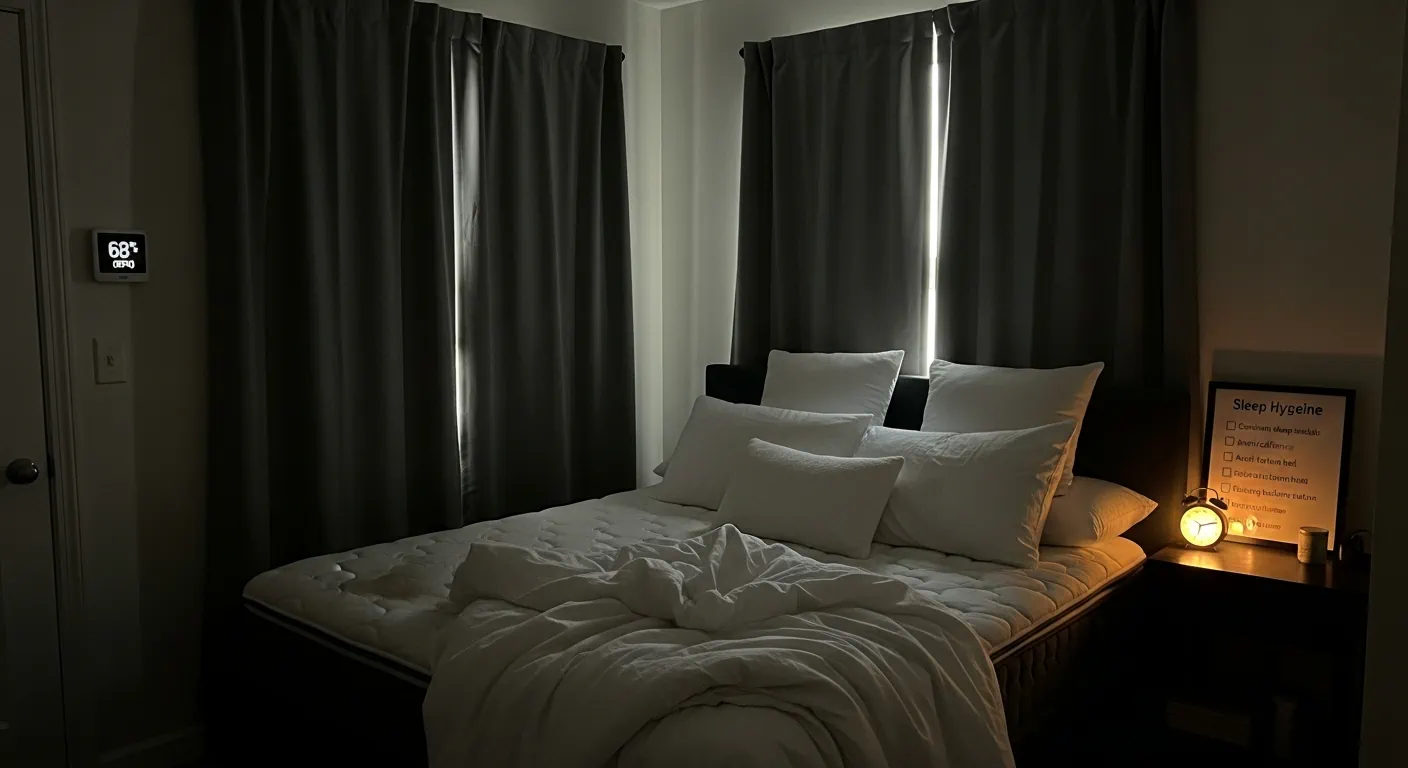
Pre-Travel Preparations and In-Flight Tips for Minimizing Jet Lag Symptoms
Embarking on international travel often comes with the excitement of new experiences, but it also brings the unwelcome challenge of jet lag. This common phenomenon can disrupt your sleep patterns, mood, and overall enjoyment of your trip. Fortunately, with strategic planning and smart choices both before and during your flight, you can significantly reduce its impact. This comprehensive guide provides essential pre-travel preparations and in-flight tips for minimizing jet lag symptoms, helping you adjust faster and make the most of your adventure.
Understanding how to proactively manage your body's circadian rhythm is key to preventing the debilitating effects of time zone changes. From optimizing your sleep schedule days before departure to leveraging specific techniques mid-flight, every step counts. Our focus is on practical, evidence-based strategies that empower you to take control of your travel wellness. By implementing these tips, you can transform your journey from a battle against fatigue into a seamless transition to your destination.
Key Points for Minimizing Jet Lag
- Gradual Schedule Adjustment: Begin shifting your sleep-wake cycle days before departure.
- Strategic Light Exposure: Use sunlight to reset your internal clock both pre- and post-flight.
- Prioritize Hydration: Drink plenty of water and avoid dehydrating beverages.
- Mindful In-Flight Practices: Incorporate movement, relaxation, and smart napping.
- Immediate Adaptation at Destination: Align with local time upon arrival.
Understanding Jet Lag and Its Impact on Your Body
Jet lag, clinically known as desynchronosis, occurs when your body's internal clock (circadian rhythm) is out of sync with the new time zone. This disruption impacts various bodily functions, including sleep, appetite, hormone regulation, and body temperature. Symptoms typically include fatigue, insomnia, irritability, digestive issues, and reduced mental performance. The severity often correlates with the number of time zones crossed, particularly when traveling eastward, which shortens your perceived day.
Recognizing these symptoms is the first step toward effective management. The goal of any jet lag mitigation strategy is to gently nudge your circadian rhythm towards the destination's time, minimizing the shock to your system. By preparing your body for the change, you reduce the physiological stress and accelerate your recovery.
Crucial Pre-Travel Preparations for Minimizing Jet Lag Symptoms
Effective jet lag prevention begins long before you step onto the plane. These proactive measures lay the groundwork for a smoother transition and are among the most impactful pre-travel preparations for minimizing jet lag symptoms.
1. Gradually Shift Your Sleep Schedule
One of the most effective strategies is to begin adjusting your sleep and wake times in the days leading up to your trip. For eastward travel, try to go to bed and wake up an hour earlier each day for three to five days before departure. For westward travel, shift these times an hour later. Consistency is key here, even if it feels slightly inconvenient. This gradual acclimatization allows your body to gently adapt to the upcoming time change, easing the shock upon arrival.
2. Strategic Light Exposure for Circadian Reset
Light is the most powerful cue for regulating your circadian rhythm. Understanding its role can dramatically help in adjusting your internal clock. If traveling east, seek morning sunlight at your departure location to help shift your clock forward. Upon arrival, expose yourself to natural light during the daytime hours at your destination. Conversely, for westward travel, limit morning light exposure before departure and seek evening light to delay your clock. A 2024 study published in the Journal of Travel Medicine highlighted that proper light therapy can significantly reduce jet lag recovery time by up to 50%.
3. Optimize Your Diet and Hydration
What you consume before and during your flight plays a vital role in your body's ability to cope with time zone changes. Increase your water intake significantly in the days leading up to your flight. Dehydration can exacerbate jet lag symptoms, making you feel more fatigued and disoriented. Avoid excessive caffeine and alcohol, as these can disrupt sleep patterns and contribute to dehydration. Consider nutrient-rich meals that are easy to digest. Some experts suggest eating lighter, protein-rich meals to avoid digestive upset.
4. Incorporate Relaxation Techniques for Sleep
Preparing for travel can be stressful, and stress itself can interfere with sleep. Practicing deep relaxation techniques before your trip can significantly improve your sleep quality and overall resilience. Techniques like mindful meditation or progressive muscle relaxation can help you wind down and fall asleep more easily, even when your schedule is shifting. This focus on mental calm is a differentiated strategy often overlooked but crucial for holistic well-being and managing travel stress.
Effective In-Flight Strategies to Combat Jet Lag
Once you're airborne, a new set of tactics comes into play. These in-flight tips are crucial for continuing your efforts to minimize jet lag symptoms and arrive feeling more refreshed.
1. Adjust to Destination Time Immediately
As soon as you board the plane, mentally (and practically) switch to your destination's time zone. Set your watch, and try to sleep or stay awake according to what time it will be when you land. If it’s nighttime at your destination, try to sleep on the flight. If it's daytime, focus on staying awake and engaging in light activities.
2. Prioritize Hydration and Smart Snacking
Continue to drink plenty of water throughout your flight. Cabin air is notoriously dry, accelerating dehydration. Carry a reusable water bottle and ask flight attendants to refill it. Avoid alcohol and excessive caffeine, as mentioned before. Opt for light, healthy snacks like fruits, nuts, or protein bars instead of heavy, processed airplane meals. The National Sleep Foundation's 2023 report emphasized that maintaining optimal hydration is a critical factor in combating travel fatigue.
3. Strategic Napping and Rest
While aiming to align with destination time, strategic napping can be beneficial on long flights. If you need to sleep, keep naps relatively short (20-30 minutes) to avoid deep sleep cycles that can leave you groggy. If you are trying to sleep for a longer period, ensure you have comfort aids like a neck pillow, eye mask, and noise-canceling headphones to create a conducive sleep environment even in challenging conditions.
4. Move Your Body and Stay Active
Sitting for prolonged periods can lead to stiffness, poor circulation, and increased fatigue. Get up and walk around the cabin every hour or two. Perform simple stretches in your seat or in the galley area. Even gentle movements can boost blood flow and help you feel more alert and less stiff upon arrival. This physical activity contributes to overall well-being and helps manage energy levels, which is vital when trying to adjust your sleep cycle.
5. Leverage In-Flight Relaxation Techniques
Long flights can be a source of anxiety. Integrating in-flight relaxation techniques can make a significant difference. Simple deep breathing exercises, progressive muscle relaxation, or listening to calming music can help reduce stress and prepare your body for rest or activity as needed. These methods are directly linked to the category of "Relaxation Techniques for Sleep" and offer a practical way to manage the cabin environment.
Post-Arrival Habits for Seamless Time Zone Adjustment
Even with excellent pre-travel and in-flight strategies, the first few days at your destination are crucial for full recovery.
- Embrace Local Time: As soon as you land, try to live by the local clock. Eat meals, go to bed, and wake up according to local time, regardless of how you feel.
- Seek Natural Light: Spend time outdoors during daylight hours. This helps reinforce the new circadian rhythm. Avoid prolonged napping during the day, which can confuse your body further.
- Light Exercise: Engage in light physical activity, like a walk, to boost energy and promote better sleep at night.
- Mindful Evening Routine: Create a relaxing bedtime routine to signal to your body that it’s time to sleep. Avoid bright screens (phones, tablets) at least an hour before bed.
By consistently applying these final steps, you further solidify the gains from your pre-travel preparations and in-flight tips for minimizing jet lag symptoms. Managing travel stress through relaxation techniques and proper planning can make these strategies even more effective.
FAQ Section: Common Questions About Jet Lag
Q: How long does it typically take to recover from jet lag?
A: The recovery time for jet lag varies widely among individuals, but a general rule of thumb is one day per time zone crossed. For instance, if you cross six time zones, it might take approximately six days for your body to fully adjust. This is an average, and factors like age, overall health, and the effectiveness of your pre-travel and in-flight strategies can significantly influence your recovery period. Consistency in post-arrival habits also plays a crucial role.
Q: Is melatonin effective for minimizing jet lag symptoms?
**A: ** Melatonin can be an effective short-term aid for jet lag, particularly when traveling eastward. It's a hormone that helps regulate sleep-wake cycles. Taking a low dose (0.5 to 3 mg) about 30 minutes before your desired bedtime in the new time zone can signal to your body that it's time to sleep. However, it should be used judiciously and ideally under medical advice, as timing is critical, and misuse can sometimes worsen sleep disruption.
Q: What role do diet and hydration play in preventing jet lag?
A: Diet and hydration are fundamental in mitigating jet lag. Dehydration, common during air travel due to dry cabin air, can exacerbate fatigue and other symptoms. Drinking plenty of water pre-flight, in-flight, and upon arrival is paramount. Avoiding heavy, sugary, or highly processed foods, as well as excessive alcohol and caffeine, helps stabilize your energy levels and sleep patterns. Light, balanced meals support your digestive system and overall well-being, aiding adjustment.
Q: Can regular exercise help alleviate jet lag?
A: Yes, regular exercise can be quite beneficial in alleviating jet lag. Engaging in moderate physical activity both before and after your flight can help regulate your sleep-wake cycle and boost your energy levels. Before travel, maintaining your fitness routine can build resilience. Upon arrival, a brisk walk or light workout during daylight hours can help ground you in the new time zone and promote better sleep quality at night. Avoid intense exercise close to bedtime, however.
Conclusion: Embrace a Smoother Journey
Minimizing jet lag symptoms doesn't require a magic bullet, but rather a combination of thoughtful pre-travel preparations and diligent in-flight tips. By taking a proactive approach – from gradually shifting your sleep schedule and strategically managing light exposure to prioritizing hydration and incorporating relaxation techniques – you empower your body to adapt more gracefully to new time zones. Remember, consistency is your greatest ally in this process.
We encourage you to experiment with these strategies and find what works best for you. Share your experiences in the comments below or connect with us on social media to discuss your favorite jet lag remedies. For further reading, explore our articles on advanced relaxation techniques for better sleep and managing travel anxiety. A well-prepared traveler is a happier traveler, ready to fully immerse themselves in new experiences without the drag of fatigue.
Information based on current understanding of sleep science as of late 2024. Regular updates on travel wellness research are recommended.
Expandable Related Subtopics for Future Updates:
- The role of chrononutrition in jet lag recovery.
- Advanced wearable tech for sleep tracking and jet lag prediction.
- Impact of cabin pressure and humidity on travel fatigue.