Optimizing Your Circadian Rhythm: Aligning Daily Habits with Sleep Cycles for Better Health
Optimizing Your Circadian Rhythm: Aligning Daily Habits with Sleep Cycles for Better Health
Your circadian rhythm is a powerful internal clock, a 24-hour cycle that governs far more than just when you feel sleepy or awake. It influences virtually every physiological process, from hormone release and metabolism to body temperature and immune function. Optimizing your circadian rhythm is not merely about getting enough sleep; it's about aligning daily habits with sleep cycles to unlock a profound improvement in your overall health and well-being. When this intricate system is in harmony, you experience enhanced energy, sharper focus, better mood regulation, and a stronger defense against chronic diseases. This article will guide you through understanding, influencing, and ultimately optimizing your circadian rhythm for a life of sustained vitality.
Key Points:
- Your circadian rhythm is a 24-hour biological clock impacting all bodily functions.
- Aligning daily habits with your natural sleep cycles enhances health.
- Light exposure, meal timing, and physical activity are primary influences.
- Disruption can lead to fatigue, mood issues, and long-term health risks.
- Small, consistent changes can lead to significant improvements in well-being.
Understanding Your Circadian Rhythm: The Master Internal Clock
At its core, your circadian rhythm is a natural, internal process that regulates the sleep-wake cycle and repeats roughly every 24 hours. Managed by a group of cells in the hypothalamus called the suprachiasmatic nucleus (SCN), often referred to as your body's "master clock," it responds primarily to light and darkness in your environment. This internal clock then orchestrates the release of hormones like melatonin, which promotes sleep, and cortisol, which wakes you up. When we talk about optimizing your circadian rhythm, we're discussing how to best support this sophisticated biological timing system.
The Health Benefits of a Harmonized Circadian Rhythm
A well-regulated circadian rhythm is a cornerstone of good health, extending its influence beyond just sleep quality. When your internal clock is synchronized with the external world, you're likely to experience better cognitive function, including improved memory and concentration. Your mood stability also benefits significantly, as disruptions can often lead to feelings of irritability or even contribute to mood disorders. Furthermore, a balanced rhythm bolsters your immune system, making you more resilient against illness. Studies, such as one published in the Journal of Clinical Sleep Medicine in 2024, have increasingly highlighted the critical role of circadian alignment in metabolic health, weight management, and reducing the risk of conditions like diabetes and cardiovascular disease. This holistic impact underscores the importance of intentional alignment.
Key Factors Influencing Your Circadian Rhythm
Several external cues, known as "zeitgebers" (German for "time givers"), work to set your internal clock. By understanding and manipulating these factors, you can significantly contribute to optimizing your circadian rhythm.
Harnessing Light: The Primary Zeitgeber
Light is by far the most powerful signal for your circadian rhythm. Exposure to bright light, especially natural sunlight, in the morning signals to your SCN that it's daytime, suppressing melatonin production and promoting alertness. Conversely, diminishing light in the evening allows melatonin to rise, preparing your body for sleep. Artificial blue light from screens late at night, however, can trick your brain into thinking it's still daytime, severely delaying melatonin release and disrupting your natural cycle. For more on this, consider reading about understanding the impact of blue light on sleep.
Strategic Meal Timing for Circadian Alignment
It's not just what you eat, but when you eat, that impacts your internal clock. Your body has "food clocks" in various organs that respond to nutrient intake. Eating too late in the evening or throughout the night can confuse these clocks, leading to metabolic dysfunction and weight gain, as your body is preparing for rest, not digestion. A consistent eating schedule, ideally finishing meals a few hours before bedtime, supports a healthy metabolic rhythm. Intermittent fasting, when done correctly, can also be a powerful tool for aligning these internal food clocks.
Exercise and Your Internal Clock
Regular physical activity is vital for overall health and plays a role in regulating your circadian rhythm. Exercise during the day can boost energy levels and improve sleep quality at night. However, intense exercise too close to bedtime might elevate body temperature and stimulate hormones that interfere with sleep onset. The key is to find a routine that energizes you without overstimulating your system before rest. Aim for consistent daytime activity to reinforce your natural wakefulness.
Optimizing Your Sleep Environment for Better Cycles
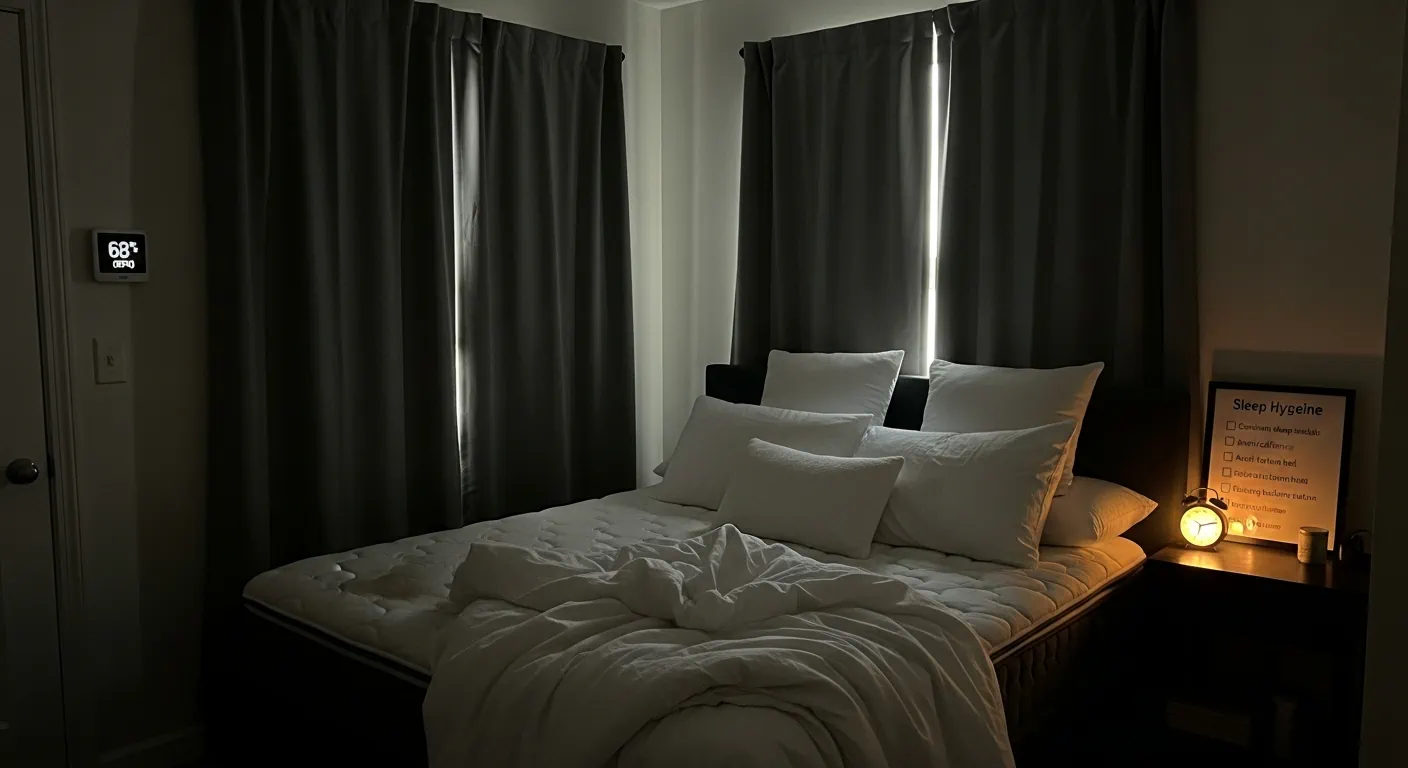
Your sleep environment sends crucial signals to your body about whether it's safe and conducive for rest. A dark, quiet, and cool bedroom helps facilitate melatonin production and prevents disruptions. The absence of light and noise allows your body to fully embrace its nighttime programming. Investing in blackout curtains, earplugs, or a white noise machine can make a significant difference. Creating a comfortable, consistent sleep sanctuary is paramount for supporting healthy sleep cycles. Many individuals find that smart sleep trackers can help identify optimal environmental conditions.
Practical Strategies for Optimizing Your Circadian Rhythm
Implementing small, consistent changes in your daily routine can have a profound impact on optimizing your circadian rhythm.
Establishing a Consistent Sleep-Wake Schedule
This is arguably the most critical step. Going to bed and waking up at roughly the same time every day, even on weekends, reinforces your body's natural sleep-wake cycle. Consistency helps to entrain your SCN, making it easier to fall asleep and wake up naturally. This simple habit can drastically improve sleep quality and daytime alertness.
Embracing Morning Light Exposure
Within an hour of waking, seek out bright natural light. Step outside, open curtains, or use a light therapy lamp. Just 10-30 minutes of morning light helps to reset your internal clock, telling your body it's time to be awake and alert. This powerfully suppresses melatonin and boosts cortisol, setting a healthy rhythm for the day. Even on cloudy days, outdoor light is significantly brighter than indoor light.
Minimizing Evening Blue Light
As evening approaches, dim the lights and reduce exposure to blue light from electronic screens. Use night mode settings on devices, wear blue-light-blocking glasses, or better yet, disengage from screens an hour or two before bed. This allows your body's natural melatonin production to kick in undisturbed. A recent review in Neuroscience & Biobehavioral Reviews (2023) emphasized the detrimental effect of late-night screen time on sleep initiation and quality.
Mindful Eating and Hydration
Consolidate your eating window during daylight hours. Aim to have your largest meals earlier in the day and finish eating at least 2-3 hours before bedtime. Avoid heavy, fatty, or sugary foods close to sleep, as these can disrupt digestion and interfere with restorative rest. Staying well-hydrated throughout the day is also important, but reduce fluid intake in the hour or two before bed to minimize nighttime awakenings.
The Role of Stress in Circadian Disruption
Chronic stress can significantly disrupt your circadian rhythm by elevating cortisol levels, even at night. Incorporating stress-reducing practices like mindfulness, meditation, deep breathing exercises, or gentle yoga into your daily routine can help. Prioritizing relaxation before bed is crucial for signaling to your body that it's safe to rest and repair. Managing stress is an often overlooked aspect of effective circadian rhythm regulation.
Differentiated Insights for Enhanced Circadian Alignment
Beyond the widely known strategies, here are two points to consider for a more personalized and advanced approach to optimizing your circadian rhythm:
- Understanding Your Chronotype for Tailored Routines: While general advice exists, recognizing your individual chronotype (whether you're a "lark" or an "owl") allows for more precise alignment. Modern chronobiology suggests that forcing an "owl" to be an early riser can be as detrimental as a "lark" staying up late. Tools within many advanced sleep tracking apps (a core aspect of /categories/sleep-technology-tools) are starting to offer personalized chronotype assessments. Aligning your most demanding tasks with your peak alertness window, rather than a generic 9-to-5 schedule, can drastically improve productivity and well-being. A 2025 report from the National Sleep Foundation highlights the growing importance of chronotype-specific recommendations.
- Gut Microbiome-Circadian Rhythm Interplay: Emerging research is revealing a fascinating bidirectional relationship between your gut bacteria and your circadian rhythm. The gut microbiome itself has a circadian rhythm, and its disruption (e.g., from erratic eating patterns or poor diet) can, in turn, affect the host's central circadian clock. Prioritizing gut health through a diverse, fiber-rich diet and probiotics can therefore be a powerful, albeit indirect, strategy for optimizing your circadian rhythm. This highlights a cutting-edge aspect of sleep science.
Frequently Asked Questions About Circadian Rhythm Optimization
Q: How long does it take to reset my circadian rhythm? A: Resetting your circadian rhythm isn't an overnight fix. It typically takes anywhere from a few days to several weeks of consistent effort. Your body needs time to adjust to new sleep-wake times and light exposure patterns. Stick with your new routine, especially regarding morning light and consistent sleep times, and you should begin to feel the benefits within 7-14 days. Patience and consistency are key to lasting change.
Q: Can caffeine or alcohol disrupt my circadian rhythm? A: Yes, both caffeine and alcohol can significantly disrupt your circadian rhythm. Caffeine, a stimulant, blocks adenosine (a sleep-promoting chemical) and can delay sleep onset if consumed too late in the day. Alcohol, while it might initially make you feel drowsy, fragments sleep, reduces REM sleep, and can lead to early morning awakenings, thereby throwing your natural sleep cycles out of sync. It's best to limit both, especially in the hours leading up to bedtime.
Q: What role do naps play in circadian rhythm optimization? A: Naps can be a double-edged sword for circadian rhythm optimization. A short "power nap" (20-30 minutes) earlier in the day can boost alertness without significantly interfering with nighttime sleep. However, long naps (over 30 minutes) or napping too late in the afternoon can make it harder to fall asleep at night, thereby disrupting your consistent sleep schedule. If you must nap, keep it short and early in the day to support, rather than hinder, your rhythm.
Q: Is light therapy effective for circadian rhythm disorders? A: Yes, light therapy (specifically bright light therapy using a full-spectrum lamp) is a highly effective treatment for certain circadian rhythm disorders, such as Seasonal Affective Disorder (SAD) and Delayed Sleep Phase Syndrome (DSPS). It works by providing an intense burst of light that helps to reset the body's internal clock. The timing and duration of light therapy are crucial and should ideally be guided by a healthcare professional to ensure maximum benefit without adverse effects.
Conclusion: Embrace the Power of Your Internal Clock
Optimizing your circadian rhythm is a powerful journey toward holistic health and enhanced well-being. By diligently aligning your daily habits – from light exposure and meal timing to physical activity and sleep hygiene – with your body’s natural sleep cycles, you unlock a cascade of benefits. Remember, small, consistent changes compound over time, leading to significant improvements in energy, mood, and long-term health. Take control of your internal clock today.
What steps will you take to begin optimizing your circadian rhythm? Share your thoughts in the comments below! If you found this article helpful, consider sharing it with friends and family who could benefit from better sleep and improved health.
Further Reading:
- Explore more about sleep technology and its benefits: /categories/sleep-technology-tools
- Dive deeper into creating the perfect sleep environment: mastering sleep hygiene for deep rest
- Discover advanced ways to track your sleep for better insights.
Information Timeliness & Update Recommendations: This article reflects current understanding and best practices as of December 2025. The field of chronobiology is rapidly evolving. We recommend reviewing and potentially updating this content annually, especially regarding new research on chronotypes, the gut-brain axis, and advancements in sleep tracking technology.
Expandable Related Subtopics for Future Updates:
- The Role of Genetics in Circadian Rhythm and Chronotypes.
- Shift Work and Circadian Rhythm Disruption: Strategies for Mitigation.
- Advanced Sleep Tracking and Wearable Technology for Circadian Optimization.