Mastering Sleep Hygiene: A Step-by-Step Guide for Consistent Restful Sleep
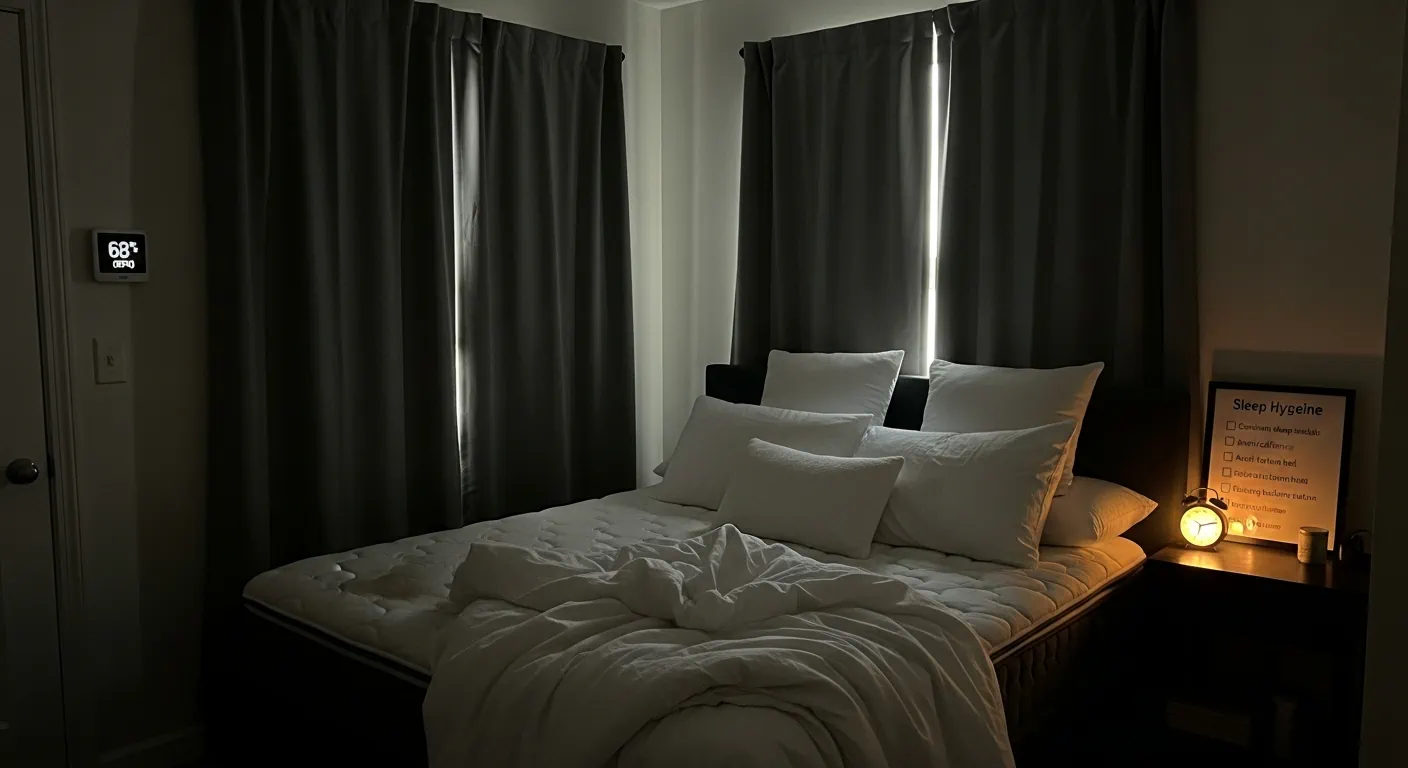
Mastering Sleep Hygiene: A Step-by-Step Guide for Consistent Restful Sleep
Sleep is not a luxury; it's a fundamental pillar of health, just as vital as diet and exercise. Yet, in our fast-paced world, consistent, restful sleep often feels like an elusive dream. This guide to mastering sleep hygiene offers a practical, step-by-step approach to cultivate habits and environments that support deep, restorative sleep every night. By understanding and implementing effective sleep hygiene practices, you can significantly improve your overall well-being, boosting your mood, cognitive function, and physical health. Dive in to transform your nights and invigorate your days.
Key Points for Mastering Sleep Hygiene:
- Consistency is Key: Stick to a regular sleep schedule.
- Optimize Your Environment: Create a dark, quiet, cool bedroom.
- Daily Habits Matter: Manage light exposure, diet, and exercise.
- Wind-Down Routines: Prepare your body and mind for rest.
- Personalize Your Approach: Adapt strategies to your unique needs.
Understanding the Core Principles of Effective Sleep Hygiene
Good sleep hygiene refers to a set of practices necessary to have good nighttime sleep quality and full daytime alertness. It's about establishing habits that prepare your body and mind for rest, and maintaining an environment conducive to sleep. The core principles revolve around consistency, environment optimization, and mindful daily habits. Prioritizing these elements is the first step towards mastering sleep hygiene and unlocking its profound benefits.
Many people underestimate the cumulative impact of small daily choices on their sleep. From the morning coffee to the late-night screen time, every action sends signals to your internal body clock, known as the circadian rhythm. When these signals are inconsistent or disruptive, your body struggles to differentiate between wakefulness and sleep. A structured approach to sleep helps re-establish this crucial distinction.
Crafting Your Ideal Sleep Environment: A Sanctuary for Restful Sleep
Your bedroom should be a dedicated sanctuary for sleep, free from distractions and optimized for comfort. Creating this ideal space is paramount for restful sleep. This involves controlling light, sound, temperature, and comfort elements.
Light Management for Better Sleep Quality
Light is the most powerful cue for regulating your circadian rhythm. Exposure to bright light, especially blue light from screens, suppresses melatonin production, making it harder to fall asleep.
- Block Out External Light: Use blackout curtains or blinds to ensure your room is as dark as possible. Even small amounts of light can disrupt sleep.
- Dim Lights in the Evening: About 1-2 hours before bed, dim the lights in your home. Switch to warmer, red-spectrum bulbs if possible, as these are less disruptive.
- Avoid Screens: Power down phones, tablets, and computers at least an hour before sleep. If absolutely necessary, use blue light filtering apps or glasses. Research from a 2024 study in Chronobiology International highlights the significant negative impact of pre-sleep screen exposure on melatonin levels and sleep onset latency.
Sound Control for Undisturbed Sleep
Silence is golden for sleep, but not always achievable. Managing ambient noise can significantly improve your ability to fall and stay asleep.
- Eliminate Noise Sources: Turn off TVs, radios, and other noisy appliances. Address any squeaky doors or rattling windows.
- Utilize White Noise: If complete silence isn't possible, a white noise machine or fan can create a consistent, soothing background hum that masks sudden disruptive sounds. Many find specific sound frequencies more relaxing.
- Consider Earplugs: For particularly noisy environments, high-quality earplugs can be an effective solution to block out unwanted sounds.
Temperature Regulation for Optimal Comfort
The ideal sleep temperature is cooler than what most people realize. Your body naturally cools down as you prepare for sleep.
- Keep Your Room Cool: Most sleep experts recommend a room temperature between 60-67°F (15-19°C). Find the sweet spot that works best for you, as individual preferences vary.
- Ensure Good Ventilation: Open a window slightly or use a fan to keep air circulating. Fresh air can enhance sleep quality.
- Layer Bedding: Use lightweight, breathable bedding that allows you to adjust your warmth throughout the night without overheating.
Optimizing Your Bed and Bedding
Your bed should be a haven of comfort and support, exclusively for sleep and intimacy.
- Invest in a Comfortable Mattress and Pillow: These are crucial investments in your sleep health. Replace them when they no longer provide adequate support, typically every 7-10 years for mattresses. A 2023 report from the National Sleep Foundation emphasized the link between mattress comfort and self-reported sleep quality.
- Choose Breathable Linens: Cotton, linen, or bamboo sheets are excellent choices for their breathability, helping to regulate body temperature.
- Keep Your Bed Clean and Tidy: A clean, organized bed environment promotes a sense of calm and relaxation, making it easier to drift off.
Daily Habits for Optimal Sleep Hygiene and Better Sleep Quality
Beyond the bedroom, your daytime activities profoundly influence your nighttime sleep. Adopting healthy daily habits is a cornerstone of mastering sleep hygiene.
Consistent Sleep Schedule
This is arguably the most critical component of effective sleep hygiene.
- Go to Bed and Wake Up at the Same Time: Do this every day, even on weekends. This regular rhythm reinforces your body's natural sleep-wake cycle. Consistency trains your body to expect sleep at a certain time.
- Avoid Long Naps: While short power naps (20-30 minutes) can be beneficial, long or irregular naps can disrupt your nighttime sleep schedule. If you must nap, keep it short and early in the afternoon.
Diet and Hydration
What and when you eat and drink can significantly affect your sleep.
- Limit Caffeine and Alcohol: Avoid caffeine in the late afternoon and evening (typically after 2-3 PM). Alcohol might initially make you feel sleepy, but it disrupts sleep architecture later in the night.
- Avoid Heavy Meals Before Bed: Finish eating at least 2-3 hours before your planned bedtime. A light snack is acceptable if you're hungry.
- Stay Hydrated, But Not Excessively Before Bed: Drink plenty of water throughout the day, but reduce fluid intake closer to bedtime to minimize nighttime bathroom trips.
Exercise and Physical Activity
Regular physical activity is known to improve sleep quality, but timing is important.
- Engage in Regular Exercise: Aim for at least 30 minutes of moderate exercise most days of the week. Morning or afternoon workouts are ideal.
- Avoid Strenuous Exercise Close to Bedtime: Intense exercise within 2-3 hours of sleep can be stimulating and make it harder to wind down.
Advanced Strategies for Mastering Sleep Hygiene
While the basics are crucial, incorporating advanced techniques can further enhance your journey to mastering sleep hygiene. These often involve a deeper understanding of your body's unique rhythms and modern solutions.
Understanding Your Chronotype
Not everyone is a morning lark or a night owl. Your chronotype, your natural propensity to sleep at a particular time, is largely genetic.
- Align Your Schedule (When Possible): Understanding whether you're a morning person or an evening person can help you optimize your sleep and wake times for maximum alertness and minimal struggle. Trying to force a sleep schedule completely against your chronotype can lead to chronic sleep debt.
- Gradual Adjustments: If you need to shift your chronotype for work or social reasons, do so gradually (e.g., 15 minutes earlier each day) to minimize disruption.
Incorporating Relaxation Techniques
Stress and anxiety are major sleep disruptors.
- Mindfulness and Meditation: Practicing mindfulness or meditation before bed can calm your mind and reduce racing thoughts. Apps like Headspace or Calm offer guided sessions.
- Deep Breathing Exercises: Simple deep breathing can activate your parasympathetic nervous system, signaling your body to relax. Focus on slow, deep inhales and exhales.
- Progressive Muscle Relaxation: Tense and then relax different muscle groups throughout your body to release physical tension.
Leveraging Smart Sleep Technology
The rise of smart home technology offers new avenues for optimizing your sleep environment.
- Smart Lighting Systems: Use smart bulbs that automatically shift color temperature to warmer tones in the evening, mimicking natural sunset and aiding melatonin production.
- Sleep Trackers: While not perfect, these devices can provide insights into your sleep patterns, helping you identify trends and areas for improvement. Use them as a tool for awareness, not obsession. This is a differentiated approach, recognizing that tech can support, not replace, fundamental hygiene practices.
Internal Link Suggestions:
- For more detailed information on light's impact, visit our category page:
/categories/sleep-fundamentals - Dive deeper into managing your internal clock and understanding your circadian rhythm
- Explore the specifics of screen time effects and the science behind blue light and sleep
Frequently Asked Questions (FAQ)
Q: How long does it take to improve sleep hygiene and see results?
A: Improving sleep hygiene is a gradual process, and consistency is key. While some individuals might notice improvements within a few days, significant and lasting changes typically take 2-4 weeks of consistent effort. Be patient with yourself and stick to your new routine.
Q: Can sleep hygiene cure insomnia?
A: For many mild to moderate cases of insomnia, improved sleep hygiene can be highly effective. It addresses behavioral and environmental factors that often contribute to sleep difficulties. However, for chronic or severe insomnia, it's best combined with other therapies like Cognitive Behavioral Therapy for Insomnia (CBT-I) or medical consultation.
Q: What are the most common sleep hygiene mistakes people make?
A: Common mistakes include inconsistent sleep schedules, excessive caffeine or alcohol consumption, using electronic devices close to bedtime, not optimizing the sleep environment (too much light/noise/heat), and exercising too close to sleep. Addressing these common pitfalls is often the fastest way to see improvement.
Q: Is napping good for sleep hygiene?
**A: Napping can be beneficial if done correctly. Short power naps (15-30 minutes) earlier in the day can boost alertness and performance. However, long or late-afternoon naps can disrupt your nighttime sleep schedule and make it harder to fall asleep later. Listen to your body and adjust napping habits as needed.
Conclusion: Your Path to Consistent, Restful Sleep
Mastering sleep hygiene is an ongoing journey, not a destination. By systematically addressing your environment, daily habits, and understanding your unique sleep patterns, you can cultivate consistent, restful sleep that profoundly impacts your health and quality of life. Remember that small, consistent changes yield significant long-term benefits. Embrace this step-by-step guide, be patient with yourself, and celebrate each night of improved rest.
Begin today by implementing one or two changes from this guide, and gradually build a routine that supports your best sleep. Your body and mind will thank you for the commitment to this fundamental aspect of self-care.
Ready to transform your nights? Start by optimizing your sleep environment tonight! Share your biggest sleep challenge in the comments below, or subscribe to our newsletter for more expert tips on sleep science.
Extended Reading Suggestions:
- The Science of Circadian Rhythms
- Nutritional Strategies for Better Sleep
- The Role of Stress Management in Sleep
- Latest Developments in Sleep Disorders Research
This article was published on 2025-11-16. Information is current as of its publication date. We recommend reviewing updated research periodically, as the field of sleep science is continually evolving.