Managing Stimulant Intake: Practical Strategies to Minimize Caffeine and Alcohol's Negative Impact on Sleep Quality and Timing
Managing Stimulant Intake: Practical Strategies for Restful Nights
In today's fast-paced world, many of us rely on stimulants like caffeine to kickstart our mornings and unwind with alcohol in the evenings. While these substances offer temporary boosts or relaxation, their cumulative impact on our sleep quality and timing can be surprisingly detrimental. Understanding how to effectively manage stimulant intake is crucial for achieving consistent, restorative sleep. This guide offers practical strategies to minimize caffeine and alcohol's negative influence, helping you reclaim your nights and boost your daytime vitality.
Key Points Summary Box:
- Understand Stimulant Half-Life: Learn how long caffeine and alcohol truly stay in your system.
- Strategic Timing is Key: Implement cut-off times for stimulant consumption.
- Moderation & Alternatives: Explore non-stimulant options and mindful consumption.
- Personalized Approach: Recognize individual differences in metabolism and sensitivity.
- Holistic Sleep Hygiene: Integrate stimulant management into broader sleep practices.
The Pervasive Impact of Stimulants on Sleep Quality and Timing
Caffeine and alcohol are two of the most widely consumed psychoactive substances globally, deeply ingrained in social and professional routines. While they offer distinct effects, both can significantly disrupt the delicate balance of our sleep architecture. Managing stimulant intake isn't just about cutting them out entirely; it's about intelligent consumption that honors your body's natural sleep-wake cycle. The goal is to minimize their negative impact on sleep quality and timing, fostering better overall health.
Caffeine, a central nervous system stimulant, works by blocking adenosine, a neurotransmitter that promotes sleepiness. This blockade can lead to increased alertness and reduced fatigue. However, its long half-life means it can linger in your system for many hours, interfering with sleep initiation and deep sleep stages even if you don't feel "wired." Alcohol, conversely, is often perceived as a sleep aid due to its sedative properties. While it can induce sleep faster, it severely fragments sleep in the latter half of the night, suppressing REM sleep and leading to poorer sleep quality and frequent awakenings.
Caffeine's Influence on Sleep Architecture and How to Mitigate It
Caffeine's impact extends far beyond just making it harder to fall asleep. It can alter the very structure of your sleep cycles. Specifically, caffeine has been shown to reduce slow-wave sleep (deep sleep) and REM sleep, both essential for physical restoration and cognitive function. A 2023 review in Journal of Sleep Research highlighted that even moderate caffeine doses consumed six hours before bedtime can significantly impair sleep latency and efficiency.
Practical Strategies for Managing Caffeine Intake Effectively:
- Implement a Strict Caffeine Cut-Off Time: This is perhaps the most impactful strategy. Due to caffeine's average half-life of 5-6 hours, consuming it in the late afternoon or evening ensures a significant portion remains active in your system by bedtime.
- Recommendation: Aim to cease all caffeine intake at least 8-10 hours before your planned bedtime. For someone aiming for an 11 PM bedtime, this means no caffeine after 1-3 PM. Adjust this based on your individual sensitivity.
- Monitor Your Daily Dosage: Pay attention to how much caffeine you're consuming from all sources—coffee, tea, energy drinks, chocolate, and certain medications. A high daily intake can lead to a longer washout period.
- Gradual Reduction: If you're a heavy caffeine user, cutting back suddenly can lead to withdrawal symptoms like headaches and fatigue. Gradually reduce your intake over a week or two by swapping out a regular coffee for decaf or herbal tea.
- Understand Individual Sensitivity: Some individuals metabolize caffeine more slowly due to genetic factors (e.g., variations in the CYP1A2 gene). If you find yourself particularly sensitive, you may need an even earlier cut-off time. This personalized approach to managing stimulant intake is vital.
Alcohol's Complex Relationship with Sleep Quality
While alcohol initially acts as a sedative, helping some people fall asleep quicker, its long-term effects on sleep are overwhelmingly negative. It disrupts the natural progression of sleep stages, particularly affecting REM sleep during the second half of the night. This leads to fragmented sleep, increased awakenings, and a reduction in overall restorative sleep. A study published in Sleep Medicine in early 2024 underscored that even small to moderate amounts of alcohol can diminish sleep quality parameters across various age groups.
Smart Approaches to Minimizing Alcohol's Negative Impact on Sleep:
- Observe the Three-Hour Rule: Give your body ample time to metabolize alcohol before bedtime.
- Recommendation: Avoid alcohol for at least 3-4 hours before you plan to sleep. This allows the liver to process a significant portion of the alcohol, reducing its disruptive effects during the crucial early stages of sleep.
- Prioritize Hydration: Alcohol is a diuretic, meaning it can lead to dehydration, which itself can disrupt sleep. For every alcoholic drink, consider having a glass of water. This helps with metabolism and reduces the likelihood of waking up thirsty.
- Limit Overall Consumption: The less alcohol you consume, the less impact it will have. If you choose to drink, moderation is key. Consider reducing the number of drinks you have in an evening, especially on weekdays when consistent sleep is paramount.
- Mindful Choices: Some alcoholic beverages might affect you differently. For instance, beverages high in sugar might add another layer of sleep disruption. Opt for simpler drinks and be aware of their alcohol content. This thoughtful selection is part of comprehensive stimulant management.
Differentiated Strategies for Advanced Stimulant Management
Beyond the basic cut-off times and moderation, a more nuanced approach to managing stimulant intake can yield even better results.
- Genetic Predisposition and Personalized Timing: Recent research highlights individual genetic variations that influence how quickly one metabolizes caffeine. For instance, individuals with slower CYP1A2 enzyme activity may need to cut off caffeine much earlier than the standard 8-10 hours, possibly even at noon, to avoid sleep disturbances. This personalized insight, often available through genetic testing, represents a cutting-edge approach to fine-tuning your stimulant consumption, offering a unique value proposition beyond general advice.
- The "Rebound Effect" of Alcohol and its Management: Many people aren't aware of alcohol's "rebound effect." While it sedates initially, as the body processes alcohol, it can create an excitatory state later in the night. This often leads to waking up in the early hours feeling anxious or restless. To counteract this, beyond the 3-hour rule, consider coupling your alcohol consumption with a light, complex carbohydrate snack earlier in the evening. This can help stabilize blood sugar and potentially mitigate some of the later-night disruptive effects, as suggested by nutritional sleep experts in a 2025 webinar on advanced sleep strategies.
Holistic Approaches to Enhancing Sleep Alongside Stimulant Control
Effective stimulant management is a powerful component of overall sleep hygiene. To truly optimize your rest, integrate these strategies with broader practices:
- Establish a Consistent Sleep Schedule: Go to bed and wake up at roughly the same time every day, even on weekends. This reinforces your circadian rhythm.
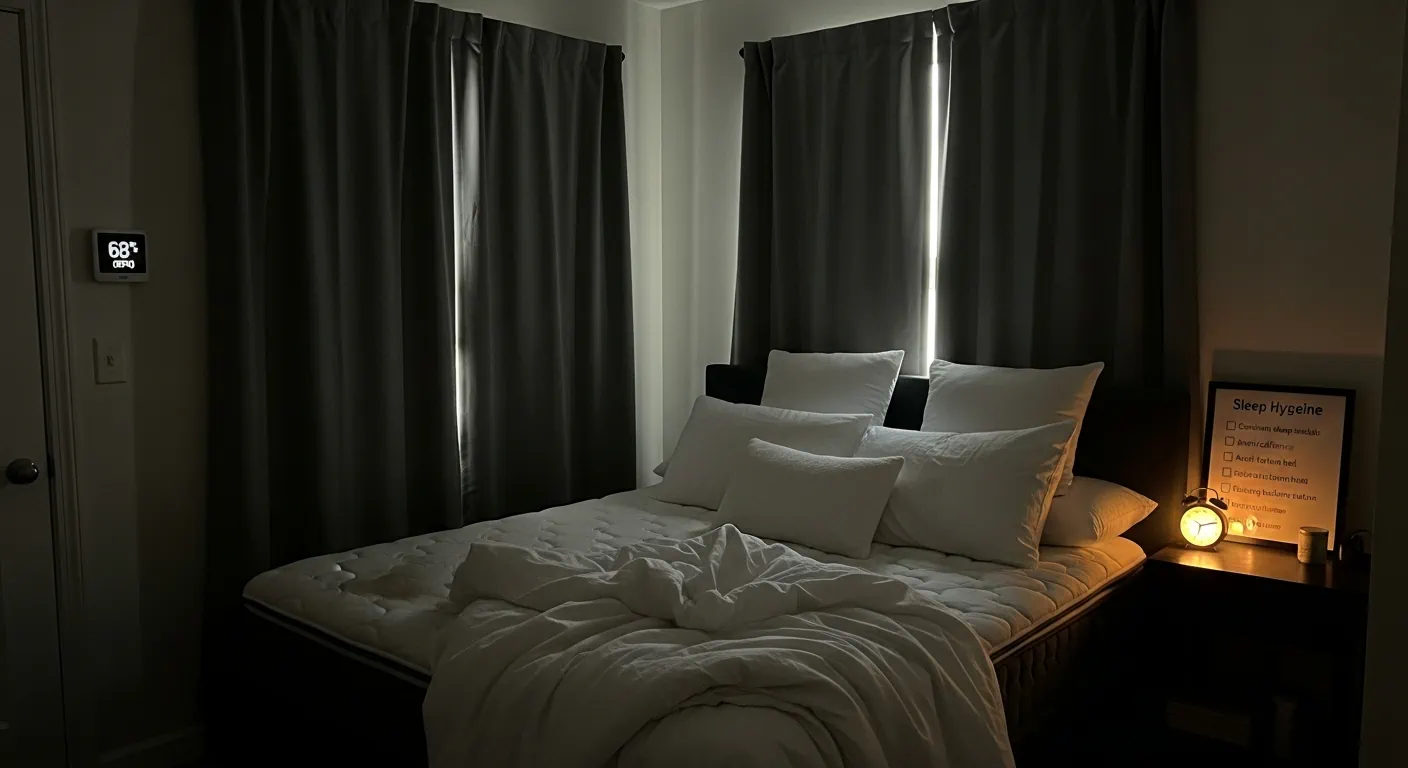
- Optimize Your Sleep Environment: Ensure your bedroom is dark, quiet, and cool. Consider blackout curtains, earplugs, or a white noise machine.
- Create a Relaxing Bedtime Routine: Engage in calming activities like reading, taking a warm bath, or light stretching for an hour before bed.
- Regular Physical Activity: Exercise can significantly improve sleep quality, but avoid intense workouts close to bedtime.
- Nutrition for Better Sleep: Explore dietary choices that support sleep, such as foods rich in magnesium or tryptophan. (Internal Link:
/categories/nutrition-sleep-connection- Category Link: "Nutrition and Sleep Quality")
FAQs on Stimulants and Sleep
Q: How long does caffeine typically affect sleep after consumption? A: Caffeine's half-life is generally 5-6 hours, meaning it takes that long for half of the substance to be eliminated from your system. However, its effects can linger for up to 10-12 hours, potentially impacting sleep onset and quality. Individual metabolism varies, so some people may feel its effects for a longer or shorter duration. It's best to allow ample time for your body to clear it before bedtime.
Q: Can a small amount of alcohol still disrupt my sleep, even if I don't feel drunk? A: Yes, even a small amount of alcohol can disrupt sleep quality. While a single drink might not make you feel overtly intoxicated, it can still interfere with the natural progression of sleep stages, particularly reducing REM sleep and increasing nighttime awakenings. The disruptive effects are dose-dependent, but even modest consumption can have an impact on restorative sleep.
Q: Are there natural alternatives to stimulants for boosting energy? A: Absolutely. To boost energy naturally, prioritize consistent, high-quality sleep first and foremost. Other strategies include regular physical activity, which improves energy levels and mood. Staying hydrated throughout the day is crucial, and a balanced diet rich in whole foods provides sustained energy. Practicing mindfulness or short meditation breaks can also enhance mental clarity and reduce fatigue without relying on stimulants.
Conclusion and Your Path to Better Sleep
Managing stimulant intake is a powerful step towards unlocking deeper, more restorative sleep. By implementing practical strategies for both caffeine and alcohol—from strategic cut-off times to personalized moderation—you can significantly minimize their negative impact on your sleep quality and timing. Remember, good sleep isn't a luxury; it's a fundamental pillar of health.
We encourage you to experiment with these strategies and observe how your body responds. Start small, make gradual changes, and notice the difference in your energy levels, mood, and cognitive function. Share your experiences or questions in the comments below – your insights could help others on their journey to better sleep!
For further reading and exploration:
- Explore methods for stress reduction techniques that naturally improve sleep through a holistic approach
- Learn about optimizing your bedroom environment for optimal rest and restorative sleep
Future Topics for Enhanced Sleep Optimization:
- The Role of Micronutrients in Sleep Regulation
- Decoding Sleep Trackers: Are They Truly Beneficial?
- Mindfulness and Meditation Practices for Insomnia Relief