Long-Term Insomnia Solutions: Evidence-Based Techniques for Sustained Sleep Quality
Long-Term Insomnia Solutions: Evidence-Based Techniques for Sustained Sleep Quality
Battling persistent sleeplessness can feel like an endless struggle, but truly effective long-term insomnia solutions are within reach. This comprehensive guide delves into evidence-based techniques designed not just to mask symptoms, but to address the root causes of chronic insomnia, paving the way for sustained, restorative sleep. We'll explore strategies that empower you to reclaim your nights and enhance your overall well-being, emphasizing practical approaches you can integrate into your daily life. Achieving consistent, high-quality sleep is foundational for physical and mental health, and understanding the science behind lasting solutions is your first step.
Key Points for Sustained Sleep Quality:
- CBT-I is the Gold Standard: Cognitive Behavioral Therapy for Insomnia offers highly effective, lasting results.
- Nutrition's Deep Impact: Dietary choices significantly influence sleep architecture and duration.
- Optimized Sleep Environment: Creating a conducive bedroom is crucial for sleep onset and maintenance.
- Mindfulness & Stress Reduction: Managing stress is key to calming an overactive mind at night.
- Professional Guidance: Knowing when to seek expert help can accelerate your path to better sleep.
Understanding Chronic Insomnia: Why Long-Term Solutions Matter
Chronic insomnia, characterized by difficulty falling or staying asleep at least three nights a week for three months or more, is more than just feeling tired. It impacts mood, cognitive function, physical health, and quality of life. Many quick fixes, like certain medications, offer temporary relief but often fail to provide long-term insomnia solutions. Instead, they can create dependency or side effects without addressing underlying behavioral or psychological factors. This is why a holistic, evidence-based approach is essential for achieving sustained sleep quality. Our goal is to empower you with techniques that build a resilient sleep foundation, not just a temporary patch.
The Cornerstone of Long-Term Insomnia Solutions: CBT-I
Cognitive Behavioral Therapy for Insomnia (CBT-I) is widely recognized as the most effective and durable treatment for chronic insomnia. Unlike medication, CBT-I equips individuals with skills to overcome the thoughts and behaviors that perpetuate sleeplessness. It's a structured program that helps identify and replace sleep-disrupting habits and beliefs with healthy ones.
Core Components of CBT-I:
- Cognitive Restructuring: This involves challenging and changing negative thoughts about sleep. For example, instead of "I'll never sleep tonight," reframing it to "I might have a tough night, but I can still rest and tomorrow is a new day." This shift helps reduce anxiety surrounding bedtime, a major barrier to sleep.
- Stimulus Control Therapy: This technique re-establishes the bed as a place solely for sleep and intimacy. It involves going to bed only when sleepy, getting out of bed if unable to sleep after 20 minutes, and maintaining a consistent wake-up time.
- Sleep Restriction Therapy: Counter-intuitively, this method initially limits time in bed to increase sleep drive, gradually increasing it as sleep efficiency improves. This powerful technique helps consolidate fragmented sleep, making it more restorative.
- Sleep Hygiene Education: While important, good sleep hygiene alone is often insufficient for chronic insomnia. However, integrating practices like a consistent sleep schedule and optimizing your bedroom environment complements CBT-I techniques effectively.
Research published in the Journal of Clinical Sleep Medicine in 2024 highlights that CBT-I consistently outperforms sleep medications in long-term efficacy, demonstrating sustained improvements in sleep onset latency, wakefulness after sleep onset, and overall sleep quality months after treatment completion. This underscores its position as a primary long-term insomnia solution.
Nourishing Your Way to Better Rest: Nutritional Strategies for Sustained Sleep
The connection between what you eat and how you sleep is profound, making nutritional adjustments a powerful, often overlooked aspect of long-term insomnia solutions. The article category of Nutrition and Sleep Quality emphasizes this crucial link. Your diet impacts neurotransmitter production, hormone balance, and the overall rhythm of your body. For deeper insights into this topic, consider exploring our resource on nutrition-sleep-connection.
Key Nutritional Considerations:
- Tryptophan-Rich Foods: Tryptophan is an amino acid precursor to serotonin and melatonin, both vital for sleep regulation. Incorporate foods like turkey, chicken, eggs, nuts, seeds, and dairy products into your diet.
- Magnesium and Potassium: These minerals play a role in muscle relaxation and nerve function, both critical for restful sleep. Leafy greens, whole grains, avocados, and bananas are excellent sources. According to a 2023 review by the National Sleep Foundation, dietary magnesium intake is inversely correlated with insomnia severity.
- Complex Carbohydrates: Whole grains can promote sustained tryptophan availability in the brain, aiding sleep. Avoid simple sugars close to bedtime, which can cause blood sugar spikes and crashes.
- Omega-3 Fatty Acids: Found in fatty fish like salmon, omega-3s are linked to better sleep quality and duration. They contribute to a healthy inflammatory response and brain function.
- Gut Health: Emerging research, including findings from a 2025 study in Gut Microbes, shows a strong link between gut microbiota composition and sleep quality. A balanced diet rich in fiber, prebiotics, and probiotics can support a healthy gut microbiome, potentially improving sleep.
Avoid heavy, spicy, or fatty meals close to bedtime. Similarly, limit caffeine and alcohol, especially in the afternoon and evening, as they can significantly disrupt sleep architecture.
Crafting Your Sleep Sanctuary: Environmental Adjustments
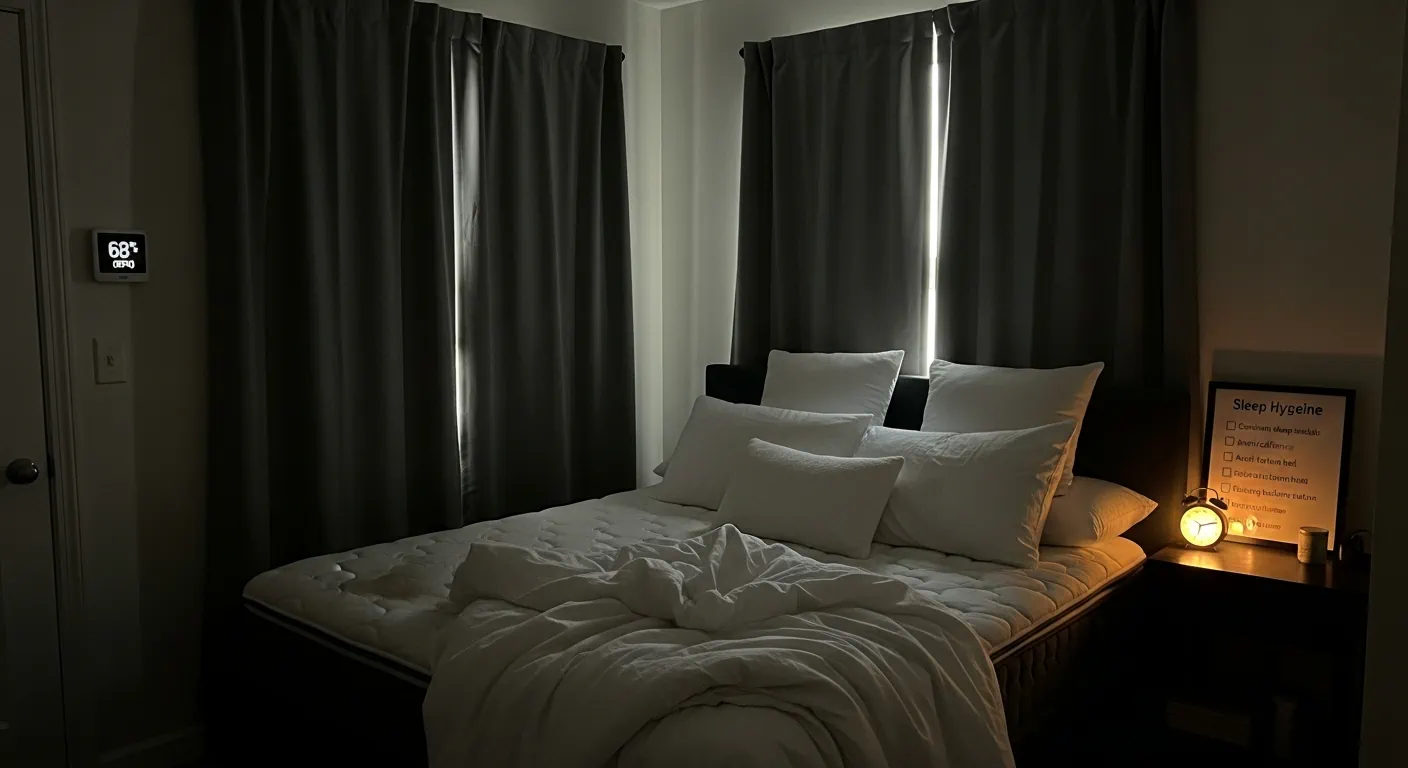
Your sleep environment plays a critical role in your ability to fall and stay asleep. Optimizing it is a fundamental aspect of creating long-term insomnia solutions.
- Darkness is Key: Ensure your bedroom is as dark as possible. Even small amounts of light can suppress melatonin production. Use blackout curtains or an eye mask.
- Maintain a Cool Temperature: The ideal bedroom temperature for sleep is typically between 60-67°F (15-19°C). A cooler room signals your body that it's time to rest.
- Silence the Noise: Minimize noise distractions with earplugs, a white noise machine, or sound-absorbing decor. Consistent, low-level white noise can often mask sudden disruptive sounds.
- Comfortable Bedding: Invest in a comfortable mattress, pillows, and bedding that support your body and maintain a pleasant temperature. Your sleeping surface directly impacts physical comfort, reducing restlessness.
Mindfulness and Relaxation: Sustaining Inner Calm for Sleep
Anxiety and stress are major contributors to insomnia. Incorporating mindfulness and relaxation techniques into your daily routine and pre-sleep ritual can significantly enhance your ability to achieve sustained sleep quality.
- Deep Breathing Exercises: Simple techniques like diaphragmatic breathing can activate the parasympathetic nervous system, promoting relaxation.
- Progressive Muscle Relaxation: Tensing and then relaxing different muscle groups helps release physical tension and promotes body awareness.
- Meditation: Daily meditation, even for just 10-15 minutes, can reduce overall stress levels and improve sleep initiation. Focusing on the present moment helps quiet a busy mind.
- Journaling: Writing down worries or tasks before bed can help declutter your mind, preventing racing thoughts when you're trying to sleep.
These practices, when consistently applied, serve as powerful personal long-term insomnia solutions, giving you tools to manage the mental and emotional hurdles to sleep.
When to Seek Professional Help for Insomnia
While self-help strategies and lifestyle changes are incredibly effective, there are times when professional guidance becomes essential for establishing long-term insomnia solutions. If your insomnia persists despite consistent effort, significantly impacts your daily functioning, or if you suspect an underlying medical condition, consult a healthcare professional. This could include a primary care physician, a sleep specialist, or a cognitive behavioral therapist specializing in CBT-I. They can rule out conditions like sleep apnea or restless legs syndrome, which require specific medical interventions, and guide you through the most appropriate treatment plan.
Consider seeking professional insights on understanding your circadian rhythm for more on the biological clocks governing our sleep.
FAQ Section
Q: How long does it typically take for CBT-I to show results for insomnia? A: CBT-I is a structured, short-term treatment, typically delivered over 4-8 sessions. Many individuals report noticeable improvements in sleep quality and duration within the first few weeks, with significant and lasting results often achieved by the end of the full course. Its effects are generally more durable than those of sleep medication.
Q: Can dietary changes truly provide long-term insomnia solutions, or are they just complementary? A: While dietary changes are often complementary to behavioral therapies like CBT-I, they can play a significant role in providing long-term insomnia solutions. A balanced diet rich in sleep-supporting nutrients (e.g., magnesium, tryptophan) and beneficial for gut health can optimize your body's natural sleep-wake cycles and neurotransmitter production, leading to sustained improvements.
Q: What are some common mistakes people make when trying to cure their own insomnia? A: Common mistakes include inconsistent sleep schedules, spending too much time awake in bed, self-medicating with alcohol or over-the-counter sleep aids, ignoring the impact of caffeine or late-night meals, and excessive worry about not sleeping. These habits often perpetuate the cycle of insomnia, making long-term insomnia solutions harder to achieve.
Q: Is medication a viable long-term solution for chronic insomnia? A: For most individuals, sleep medications are not considered a viable long-term insomnia solution. They are often prescribed for short-term use to break an acute cycle of sleeplessness. Their long-term use can lead to dependency, tolerance, and side effects, and they typically do not address the underlying behavioral or cognitive factors contributing to chronic insomnia.
Conclusion: Embracing Your Journey to Sustained Sleep
Finding long-term insomnia solutions is a journey that requires commitment and a multi-faceted approach. By understanding and implementing evidence-based strategies like CBT-I, optimizing your nutrition, refining your sleep environment, and practicing mindfulness, you are actively building a foundation for sustained sleep quality. Remember, consistent effort yields the most profound and lasting changes. Don't be discouraged by setbacks; view them as opportunities to refine your approach.
Ready to take control of your sleep? Start by implementing one new strategy today. Share your experiences in the comments below – your insights could help others on their path to better sleep. For further reading on dietary impacts, explore how dietary choices and sleep quality are connected and what to eat for better rest. Subscribe to our newsletter for the latest research and tips on achieving truly restorative sleep.
Recommended Future Exploration:
- Advanced Sleep Tracking Technologies: How wearables can personalize your sleep approach.
- The Role of Genetics in Sleep: Understanding individual sleep predispositions.
- Integrative Approaches to Sleep Disorders: Combining conventional and alternative therapies.