Is CBT-I Right for You? Understanding Cognitive Behavioral Therapy for Lasting Insomnia Relief
Is CBT-I Right for You? Understanding Cognitive Behavioral Therapy for Lasting Insomnia Relief
Struggling with persistent sleeplessness can feel like a relentless battle, impacting every aspect of your life. While many turn to medications for a quick fix, a growing body of evidence points to Cognitive Behavioral Therapy for Insomnia (CBT-I) as the gold standard for lasting insomnia relief. This comprehensive, evidence-based approach helps individuals overcome chronic sleep difficulties by addressing the underlying thoughts and behaviors that perpetuate sleeplessness. If you're tired of counting sheep and want to reclaim your nights, understanding CBT-I is your first step towards a healthier sleep future.
Key Points on CBT-I
- Non-Pharmacological: A drug-free approach to treating insomnia.
- Evidence-Based: Backed by extensive scientific research as highly effective.
- Addresses Root Causes: Targets cognitive and behavioral patterns contributing to insomnia.
- Long-Term Solution: Equips you with skills for sustainable sleep improvement.
- Personalized: Tailored strategies to fit individual needs and sleep challenges.
What is Cognitive Behavioral Therapy for Insomnia (CBT-I)?
Cognitive Behavioral Therapy for Insomnia, or CBT-I, is a structured program that helps you identify and replace thoughts and behaviors that cause or worsen sleep problems with habits that promote sound sleep. Unlike sleeping pills, which offer temporary relief, CBT-I focuses on teaching you the skills to overcome your insomnia permanently. It's not just about getting more sleep; it's about getting better quality sleep and understanding how your mind and body interact with your sleep environment.
The program typically involves several core components, each designed to tackle a different facet of insomnia. These include cognitive restructuring, stimulus control, sleep restriction, and sleep hygiene education. Each element plays a crucial role in recalibrating your relationship with sleep and fostering a more restful night. Many find the structured nature of CBT-I empowering, as it provides a clear roadmap to regaining control over their sleep patterns.
How Does CBT-I Work? The Core Principles for Lasting Insomnia Relief
CBT-I operates on the premise that insomnia is often a learned behavior, reinforced by negative thought patterns and maladaptive habits. By systematically dismantling these patterns, CBT-I helps re-establish healthy sleep cycles. This isn't a passive treatment; it requires active participation and commitment from the individual, but the rewards are profound.
Let's delve into the key components:
- Cognitive Restructuring: This component targets the racing thoughts, worries, and anxieties that often accompany insomnia. You'll learn to challenge and change negative or unhelpful beliefs about sleep. For example, if you believe "I'll never sleep well again," cognitive restructuring helps you replace it with a more balanced thought like "While I've struggled recently, I can learn strategies to improve my sleep." This shift in perspective is critical for reducing sleep-related stress.
- Stimulus Control Therapy: This technique helps break the association between your bed/bedroom and wakefulness. It teaches you to use your bed only for sleep and intimacy. Rules include getting out of bed if you can't sleep within 15-20 minutes, avoiding naps, and maintaining a consistent wake-up time. The goal is to condition your body to associate your sleep environment with rapid sleep onset.
- Sleep Restriction Therapy: This might sound counterintuitive, but it's one of the most powerful components. It temporarily limits the time you spend in bed to the actual amount of time you spend sleeping, even if it's initially a very short window. This creates mild sleep deprivation, making you sleepier the next night and improving sleep efficiency. Gradually, your time in bed is increased as your sleep consolidates. A 2024 review in the Journal of Clinical Sleep Medicine highlighted sleep restriction as a cornerstone of CBT-I's effectiveness, particularly for chronic insomnia patients.
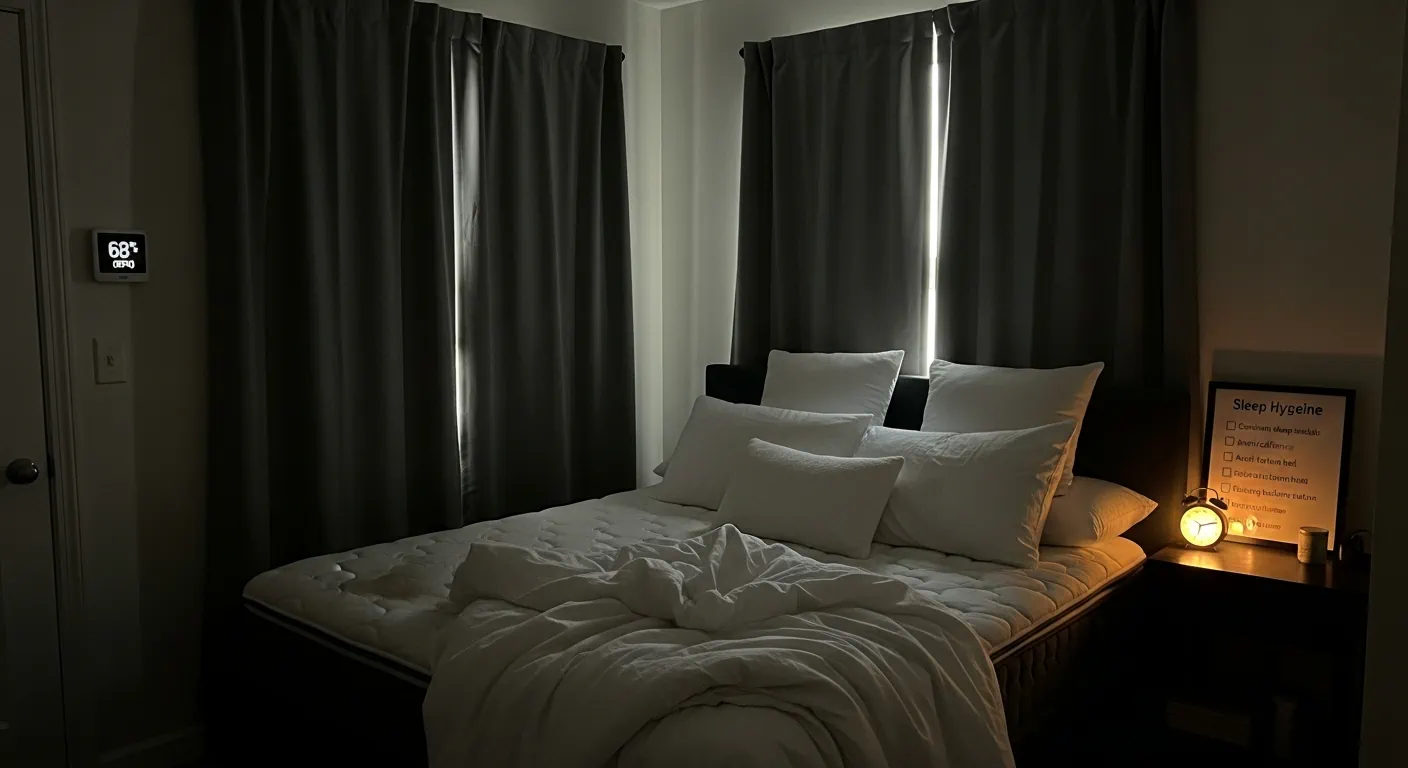
- Sleep Hygiene Education: While often misunderstood as the entirety of insomnia treatment, sleep hygiene is an important foundational element. It involves adopting healthy lifestyle habits that support good sleep, such as maintaining a comfortable sleep environment, avoiding caffeine and alcohol before bed, and regular exercise. While good hygiene alone usually isn't enough to cure chronic insomnia, it complements the other CBT-I techniques by creating optimal conditions for sleep.
Is Cognitive Behavioral Therapy for Insomnia Right for You? Identifying Ideal Candidates
Deciding if CBT-I is the appropriate path for your sleep troubles is a crucial step. It is generally recommended for individuals experiencing chronic insomnia, defined as difficulty falling or staying asleep at least three nights a week for three months or more. It's particularly effective for those who:
- Prefer a non-medication approach to sleep improvement.
- Are willing to actively participate and commit to the process.
- Have tried other methods without long-term success.
- Experience anxiety or racing thoughts related to sleep.
- Are looking for sustainable skills to manage future sleep challenges.
CBT-I is also a safe and effective option for many populations, including older adults, pregnant women, and individuals with co-occurring medical or mental health conditions (such as depression or chronic pain), where traditional sleep medications might be less suitable or carry higher risks. Understanding the different types of insomnia can provide deeper insights into your specific sleep issues.
The Journey of CBT-I: What to Expect and Your Role
The CBT-I journey typically involves 4-8 sessions with a trained therapist, though this can vary. Each session builds upon the last, providing new strategies and refining existing ones. Expect to keep a detailed sleep diary, which is a vital tool for both you and your therapist to track progress and identify patterns. This data-driven approach allows for precise adjustments to your sleep schedule and behavioral strategies, ensuring a truly personalized treatment plan.
Your role in CBT-I is paramount. It requires dedication and consistency, especially in adhering to strict sleep schedules and behavioral guidelines, even when they feel challenging. There might be temporary discomfort as you adapt to new routines, but this commitment is precisely what leads to profound and lasting changes. Based on extensive research and clinical observations, patients who fully engage with the program components often report significant improvements in sleep quality and daytime functioning within weeks.
Beyond Pills: The Long-Term Advantages of CBT-I
One of the most compelling aspects of CBT-I is its ability to provide lasting insomnia relief without the risks associated with long-term medication use. While sleep medications can offer temporary reprieve, they often come with side effects, the potential for dependency, and can lose effectiveness over time. CBT-I, in contrast, empowers you with enduring skills. It teaches you how to be your own sleep expert, giving you the tools to manage occasional sleepless nights without relying on external aids.
A comprehensive review published in the Lancet Psychiatry in early 2025 indicated that CBT-I's benefits not only persist but often improve over time, distinguishing it from pharmacological interventions. This resilience against relapse makes it a superior choice for chronic conditions.
Integrating Modern Approaches: Digital CBT-I and Future Trends
The landscape of CBT-I is evolving rapidly, with technology playing an increasingly significant role. Digital CBT-I (dCBT-I) platforms are making evidence-based treatment more accessible, offering structured programs via apps or online modules. While not a replacement for in-person therapy for everyone, dCBT-I has shown comparable efficacy for many, especially those with mild to moderate insomnia. A 2023 report from the National Sleep Foundation noted the expanding reach and effectiveness of validated dCBT-I programs, marking a significant trend in sleep disorder management.
Future trends point towards even more personalized digital interventions, integrating wearable technology for real-time sleep tracking, and hybrid models that combine online resources with periodic therapist check-ins. This convergence of psychological therapy and innovative tech promises even broader accessibility for lasting insomnia relief.
Expert Insights on CBT-I Success
For those contemplating CBT-I, remember that consistency is key. It's a process of learning and unlearning, and like any new skill, it takes practice. Don't be discouraged by initial challenges; these are a normal part of adjusting. The goal isn't just to fall asleep faster, but to foster a healthy, positive relationship with sleep that supports your overall well-being. When seeking a therapist, look for one specifically trained and experienced in delivering CBT-I, as this specialization significantly impacts outcomes.
Addressing Common Concerns About CBT-I
Many people express initial apprehension about CBT-I components like sleep restriction, fearing it will worsen their sleep. However, this is a carefully managed process designed to increase your sleep drive and consolidate your sleep. It's crucial to trust the process and work closely with your therapist. Another concern is the time commitment; while it requires effort upfront, the long-term payoff in improved sleep and quality of life far outweighs the initial investment. Remember, understanding and treating insomnia is a journey, and CBT-I provides a scientifically proven compass.
Frequently Asked Questions about CBT-I
Q1: How long does it typically take to see results with CBT-I? A: Most individuals begin to notice improvements in their sleep patterns within 2-4 weeks of starting CBT-I. Significant and lasting changes usually become apparent after completing the full course of treatment, which typically lasts between 4 to 8 sessions. The speed of results can vary based on the individual's commitment to the strategies and the severity of their initial insomnia.
Q2: Can I do CBT-I on my own, or do I need a therapist? A: While there are many excellent self-help books and digital CBT-I apps available, working with a trained therapist is generally recommended, especially for chronic or severe insomnia. A therapist can provide personalized guidance, monitor your progress, and make crucial adjustments to your treatment plan, which is vital for maximizing effectiveness and addressing specific challenges.
Q3: Is CBT-I covered by health insurance? A: Coverage for CBT-I varies widely depending on your specific health insurance plan and geographical location. Many insurance providers are increasingly recognizing CBT-I as a medically necessary and effective treatment for insomnia. It's best to contact your insurance company directly to inquire about coverage for "Cognitive Behavioral Therapy for Insomnia" or "behavioral sleep medicine."
Q4: What if I have other sleep disorders besides insomnia? A: If you suspect you have other sleep disorders, such as sleep apnea or restless legs syndrome, it's crucial to get a proper diagnosis from a sleep specialist first. While CBT-I is excellent for insomnia, underlying conditions may need separate medical treatment. Once other disorders are managed, CBT-I can still be a highly effective approach for any residual insomnia symptoms.
Your Path to Lasting Insomnia Relief
Choosing to explore Cognitive Behavioral Therapy for Insomnia is a proactive step towards reclaiming your sleep and improving your overall well-being. It's an investment in your health that offers lasting returns, equipping you with the tools to manage your sleep independently. If you're ready to break free from the cycle of sleepless nights, consider seeking out a qualified CBT-I therapist in your area.
Take the Next Step:
- Consult a Sleep Specialist: Discuss your sleep challenges with a healthcare professional to determine if CBT-I is right for you.
- Explore Resources: Look for certified CBT-I therapists or validated digital CBT-I programs.
- Start Your Journey: Embrace the opportunity to learn and implement strategies that will lead to more restful nights.
Comprehensive sleep hygiene tips can provide additional guidance for improving your sleep habits and overall rest quality. We encourage you to share your experiences or questions in the comments below – your insights can help others on their path to lasting insomnia relief.
Content Timeliness: This article reflects current best practices and research up to late 2025. Information on digital CBT-I and sleep research is continually evolving.
Future Subtopics for Expansion:
- The Role of Technology in CBT-I Delivery (Digital CBT-I Apps and Wearables)
- CBT-I for Specific Populations (e.g., Seniors, Pregnant Women, Individuals with Mental Health Conditions)
- Integrating CBT-I with Other Holistic Sleep Approaches (Mindfulness, Relaxation Techniques)