Expert Tips for Optimizing Your Bedroom Temperature for Deeper, More Restful Sleep
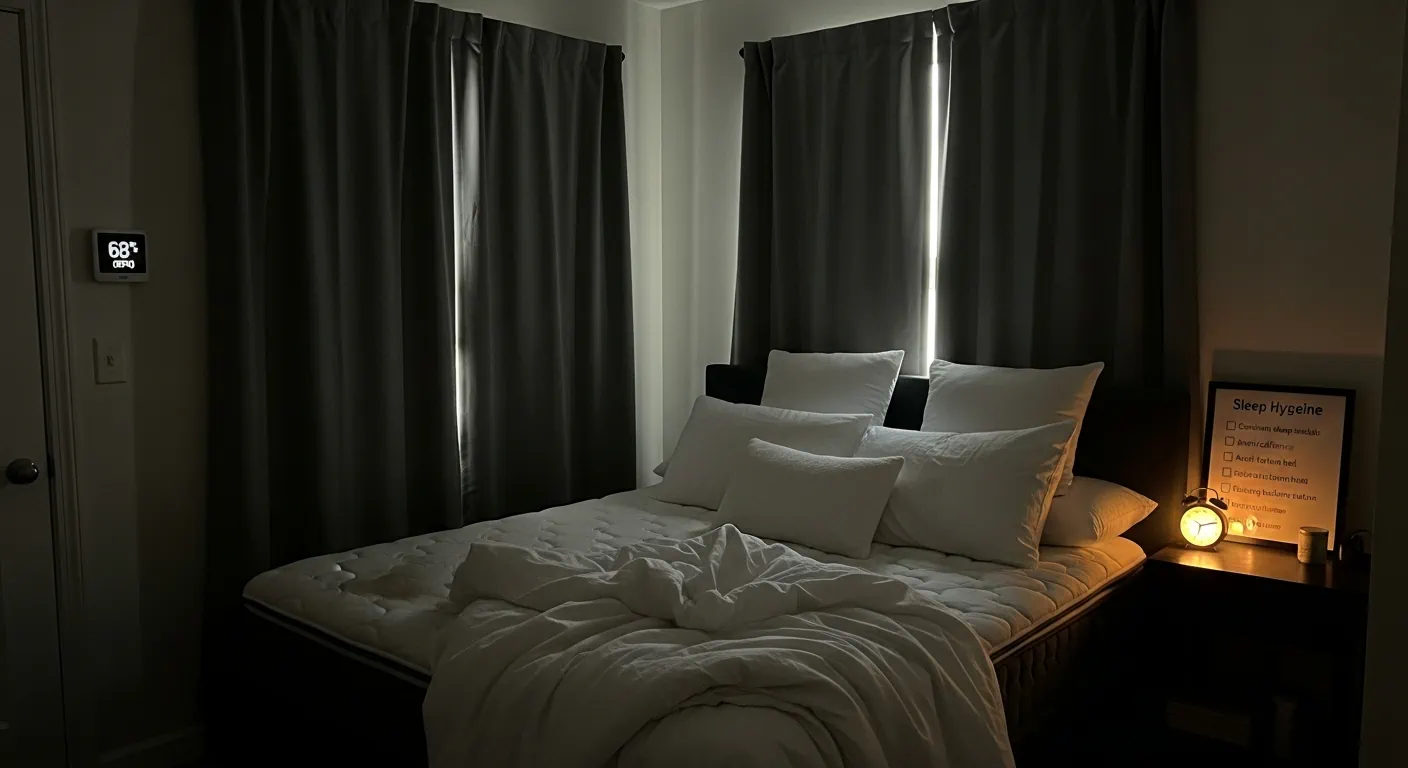
Achieving deeper, more restful sleep is a goal for many, and often, the key lies in an unexpected place: your bedroom temperature. It might seem simple, but optimizing your bedroom temperature for deeper, more restful sleep plays a critical role in your overall sleep quality and well-being. A sleep environment that's too hot or too cold can disrupt your natural sleep cycles, leading to tossing and turning, fragmented sleep, and waking up feeling anything but refreshed. This article delves into the science behind sleep and temperature, offering expert tips and practical strategies to help you create the ideal climate for truly restorative slumber. By understanding your body's needs and making a few strategic adjustments, you can unlock the secret to consistent, high-quality sleep every night.
Key Points for Optimizing Your Bedroom Temperature:
- Understand Your Body's Thermoregulation: Your core body temperature naturally drops to initiate and maintain sleep.
- Target the Ideal Range: Most experts recommend a bedroom temperature between 60-67°F (15.6-19.4°C).
- Adjust Your Environment: Use HVAC, fans, open windows, and proper bedding to control ambient temperature.
- Employ Personal Cooling Methods: Consider cool showers, breathable sleepwear, and cooling pillows.
- Leverage Smart Technology: Utilize smart thermostats and cooling sleep systems for precise control and automation.
The Science Behind Sleep and Temperature Regulation
Your body is a master of thermoregulation, constantly working to maintain a stable internal temperature. However, as bedtime approaches, your core body temperature naturally begins to drop, signaling to your brain that it's time for sleep. This subtle decrease in temperature is a crucial part of your circadian rhythm, the internal clock that regulates your sleep-wake cycle. An optimal bedroom temperature facilitates this natural cooling process, making it easier to fall asleep and stay asleep.
Why Your Body Needs to Cool Down for Sleep
The physiological process behind sleep initiation is deeply intertwined with temperature. When your body cools, it helps trigger the release of melatonin, the hormone responsible for inducing drowsiness. A warm sleep environment can hinder this natural cooling, keeping your body in a state of alertness and making it difficult to transition into deeper sleep stages. Research consistently shows that environmental heat stress can increase wakefulness and reduce both REM and slow-wave sleep, which are vital for cognitive function and physical restoration.
The Ideal Sleep Temperature Range
While individual preferences vary, a broad consensus among sleep experts suggests that the best bedroom temperature for sleep is typically between 60 and 67 degrees Fahrenheit (15.6 and 19.4 degrees Celsius). This range allows your body to comfortably achieve and maintain its natural pre-sleep temperature drop. Outside this optimal zone, your body might expend too much energy trying to cool down or warm up, disrupting your sleep architecture. Finding your personal sweet spot within this range is a critical step in optimizing your bedroom temperature for deeper, more restful sleep.
Practical Strategies for Optimizing Your Bedroom Temperature
Optimizing your bedroom temperature for deeper, more restful sleep involves a combination of environmental adjustments and personal strategies. It’s not just about setting the thermostat; it's about creating a holistic sleep environment that promotes natural thermoregulation.
Environmental Adjustments for Optimal Sleep Temperature
- HVAC System Management:
- Programmable Thermostat: Invest in a programmable thermostat to automatically lower the temperature an hour or two before your bedtime. This ensures your room is cool by the time you're ready to sleep.
- Maintenance: Ensure your HVAC system is regularly maintained. A clean filter and well-serviced unit operate more efficiently, leading to better temperature control and air quality.
- Strategic Airflow and Ventilation:
- Ceiling Fans: A ceiling fan can make a significant difference, creating a cooling breeze without drastically lowering the air temperature. Set it to rotate counter-clockwise in the summer to push air down.
- Open Windows: If the outside air is cooler than inside, opening windows on opposite sides of your room can create a cross-breeze, especially effective in the evening.
- Portable Fans: Directing a fan towards your bed can provide targeted cooling.
- Smart Bedding Choices:
- Breathable Fabrics: Opt for bedding made from natural, breathable materials like cotton, linen, or bamboo. These fabrics wick away moisture and allow air circulation, preventing heat buildup.
- Layering: Instead of one heavy comforter, use multiple lighter layers. This allows you to easily adjust your warmth throughout the night by adding or removing blankets.
- Cooling Mattresses/Toppers: Newer mattress technologies include gel-infused memory foam or designs with enhanced airflow to dissipate heat. A cooling mattress topper can also provide a cost-effective solution.
Personal Cooling Techniques
Beyond adjusting your room, there are several personal strategies you can employ to help your body prepare for sleep. These methods contribute to optimizing your bedroom temperature for deeper, more restful sleep by aiding your natural thermoregulation.
- Pre-Sleep Cool-Down:
- Lukewarm Shower or Bath: While counter-intuitive, a lukewarm shower about 1-2 hours before bed can help your body cool down. As the water evaporates from your skin, it draws heat away, promoting a natural temperature drop.
- Avoid Strenuous Exercise: Strenuous activity too close to bedtime can raise your core body temperature, making it harder to fall asleep. Aim to finish intense workouts several hours before sleep.
- Appropriate Sleepwear:
- Light, Loose Clothing: Choose pajamas made from breathable, natural fibers like cotton or bamboo. Loose-fitting styles allow for better air circulation around your body.
- Consider Sleeping Nude: For some, sleeping nude can be the most effective way to regulate body temperature, allowing for maximum skin exposure to cooler air.
- Targeted Cooling Aids:
- Cooling Pillows: Pillows filled with special gels or materials designed to dissipate heat can keep your head and neck cool, which is often crucial for overall comfort.
- Ice Packs/Cold Compresses: Placing a cold compress on pulse points (wrists, neck, ankles) for a few minutes before bed can help cool down your blood.
Leveraging Technology for Temperature Control
Modern advancements offer sophisticated tools to fine-tune your sleep environment. Integrating smart home devices and specialized sleep products can further enhance your efforts in optimizing your bedroom temperature for deeper, more restful sleep.
- Smart Thermostats: Devices like Nest or Ecobee learn your preferences and can be programmed to adjust temperatures based on your sleep schedule. Some even integrate with smart home systems to create comprehensive sleep routines. This level of automation ensures consistent, precise control over your sleep environment.
- Cooling Sleep Systems: Beyond mattresses, innovative products like ChiliSleep's Ooler or Eight Sleep's Pod use water-based systems to actively cool or warm your mattress surface to your exact desired temperature. These provide dynamic temperature adjustments throughout the night, responding to your body's needs. According to a 2024 study published in the Journal of Applied Sleep Physiology, participants using active mattress cooling systems reported an average increase of 18 minutes in deep sleep per night compared to passive cooling methods.
- Wearable Devices: Some smartwatches and fitness trackers can monitor your skin temperature and provide insights into how your body temperature fluctuates during sleep, helping you fine-tune your ideal settings.
Beyond Temperature: Holistic Sleep Environment Tips
While temperature is paramount, a truly restful sleep environment considers other factors that work in synergy. Addressing these elements alongside temperature contributes significantly to your overall sleep quality. This aligns with a comprehensive approach to "sleep hygiene" – establishing routines and conditions conducive to sleeping well, which is crucial for deep, restorative rest. To learn more about various aspects of sleep hygiene, you can explore our full category on Sleep Hygiene and Best Practices.
Humidity and Air Quality
Often overlooked, humidity levels and air quality play a vital role in perceived thermal comfort. High humidity can make a cool room feel muggy and inhibit the body's natural evaporative cooling process.
- Dehumidifiers: In humid climates, a dehumidifier can significantly improve comfort, allowing your body to cool more efficiently even at the same air temperature.
- Air Purifiers: Clean air free of allergens and pollutants can improve respiratory comfort, which indirectly supports better sleep. A 2023 report from the Sleep Foundation highlighted that improved indoor air quality was correlated with a 15% reduction in self-reported sleep disturbances among urban dwellers.
Smart Sleep Tech Innovations
The landscape of sleep technology is rapidly evolving, offering more personalized solutions for optimizing your bedroom temperature for deeper, more restful sleep.
- Dynamic Temperature Zones: Some advanced systems allow for different temperature settings on each side of the bed, perfect for couples with varying preferences.
- AI-Powered Adjustments: Future sleep systems are likely to integrate AI that learns individual sleep patterns and adjusts temperature proactively, anticipating your body's needs throughout the night for optimal comfort. This proactive approach could revolutionize how we manage our sleep environments.
Addressing Common Temperature Challenges for Restful Sleep
Even with the best intentions, challenges can arise. Understanding potential issues and having solutions ready can make a big difference.
- Shared Bedrooms: When sleeping with a partner, finding a compromise temperature is key. Consider dual-zone cooling pads or separate blankets.
- Seasonal Changes: Your ideal temperature might vary slightly between summer and winter. Be prepared to adjust your thermostat and bedding accordingly.
- Budget Constraints: Not everyone can afford high-tech solutions. Start with simple, cost-effective methods like fans, strategic window opening, and breathable bedding. These foundational steps are incredibly effective for optimizing your bedroom temperature for deeper, more restful sleep.
For a deeper dive into how different factors impact your rest, consider understanding your sleep cycles and how they interact with your environment. Consistent routines, including temperature management, are also vital for establishing a consistent bedtime routine for optimal sleep.
Frequently Asked Questions (FAQ)
Q: What is the single most important temperature setting for optimal sleep?
A: The single most important setting is maintaining your bedroom temperature within the 60-67°F (15.6-19.4°C) range. This window supports your body's natural cooling process, which is essential for initiating and maintaining deep, restorative sleep. Consistent adherence to this range, even with slight personal adjustments, will yield the best results for your sleep quality.
Q: How quickly can adjusting my bedroom temperature improve my sleep?
A: You can often experience improvements in sleep quality within a few nights of adjusting your bedroom temperature. While your body may take a short period to fully adapt, many people report feeling more comfortable and sleeping more soundly almost immediately. Consistency is key to long-term benefits and truly optimizing your bedroom temperature for deeper, more restful sleep.
Q: Can my room be too cold for good sleep?
A: Yes, a room that's too cold can be just as disruptive as one that's too warm. If your bedroom is excessively cold, your body will expend energy trying to warm itself, which can lead to discomfort, shivering, and fragmented sleep. While a cool environment is beneficial, extreme cold can hinder your ability to relax and enter deeper sleep stages effectively.
Q: What should I do if my partner and I prefer different sleep temperatures?
**A: **This is a common challenge! Consider solutions like dual-zone cooling/heating mattress pads, which allow each side of the bed to be set to a different temperature. Using separate blankets also helps, as each person can choose their preferred level of warmth. Compromise on the ambient room temperature while allowing individual adjustments for ultimate comfort.
Conclusion: Embrace Cooler Nights for Better Sleep
Optimizing your bedroom temperature for deeper, more restful sleep is a powerful yet often overlooked strategy for improving your overall health and well-being. By understanding the intricate relationship between your body's thermoregulation and sleep cycles, and by implementing the practical tips outlined above, you can transform your sleep environment into a sanctuary of restorative rest. From simple adjustments like using fans and breathable bedding to leveraging advanced smart home technology, there are numerous ways to create your ideal sleep climate.
Start experimenting with these tips tonight. Pay attention to how your body responds and fine-tune your approach until you find your perfect balance. A good night's sleep is within reach, and a cooler bedroom is often the first step.
What are your favorite temperature hacks for better sleep? Share your insights in the comments below! If you found this guide helpful, consider subscribing to our newsletter for more expert tips on sleep hygiene and best practices, and share this article with anyone struggling to achieve consistent, quality rest.
Extended Reading Suggestions:
- The Impact of Light Exposure on Sleep Quality: Understanding how light (and darkness) affects your circadian rhythm.
- Nutrition and Hydration for Restful Sleep: Exploring the dietary factors that can influence your sleep patterns.
- Mindfulness and Relaxation Techniques for Better Sleep: Practical methods to calm your mind before bedtime.
This article was published on November 9, 2025. Information provided is based on current scientific understanding and expert consensus, with regular updates recommended to reflect new research and technological advancements in sleep science.