Evidence-Based Sleep Improvement: Enhance Your Deep Sleep
Evidence-Based Sleep Improvement: Enhance Your Deep Sleep
Achieving restorative sleep is more than just closing your eyes; it's about reaching crucial sleep stages, particularly deep sleep. This vital phase is where physical repair, memory consolidation, and hormonal regulation occur. Unfortunately, many individuals struggle to attain sufficient deep sleep, leading to fatigue, reduced cognitive function, and a host of other health issues. This article delves into evidence-based sleep improvement techniques designed to specifically target and enhance your deep sleep, guiding you toward more restful and rejuvenating nights.
Key Points:
- Prioritize Deep Sleep: Understand the restorative benefits of deep sleep for physical and mental health.
- Optimize Sleep Environment: Create a sanctuary conducive to uninterrupted, quality sleep.
- Establish a Consistent Routine: Regularity signals to your body when it's time to rest.
- Mindful Lifestyle Choices: Diet, exercise, and stress management play critical roles.
- Seek Professional Guidance: Don't hesitate to consult experts for persistent sleep issues.
Understanding the Importance of Deep Sleep
Deep sleep, also known as slow-wave sleep (SWS), is the third stage of the sleep cycle. During this phase, brain wave activity slows down significantly, and our bodies are in a state of deep relaxation. It's during deep sleep that the body undertakes crucial restorative processes:
- Physical Repair: Tissues are repaired, muscles grow, and the immune system is strengthened.
- Memory Consolidation: Information from the day is processed and transferred into long-term memory.
- Hormonal Balance: Growth hormone is released, essential for cellular regeneration and repair.
- Waste Removal: The brain clears out metabolic byproducts that accumulate during wakefulness.
Insufficient deep sleep can manifest as daytime drowsiness, impaired concentration, a weakened immune system, and an increased risk of chronic health conditions like heart disease and diabetes. Focusing on evidence-based sleep improvement is therefore paramount for overall well-being. For more detailed information on the sleep cycle, readers can explore resources discussing sleep stages.
Optimizing Your Sleep Environment for Deep Sleep
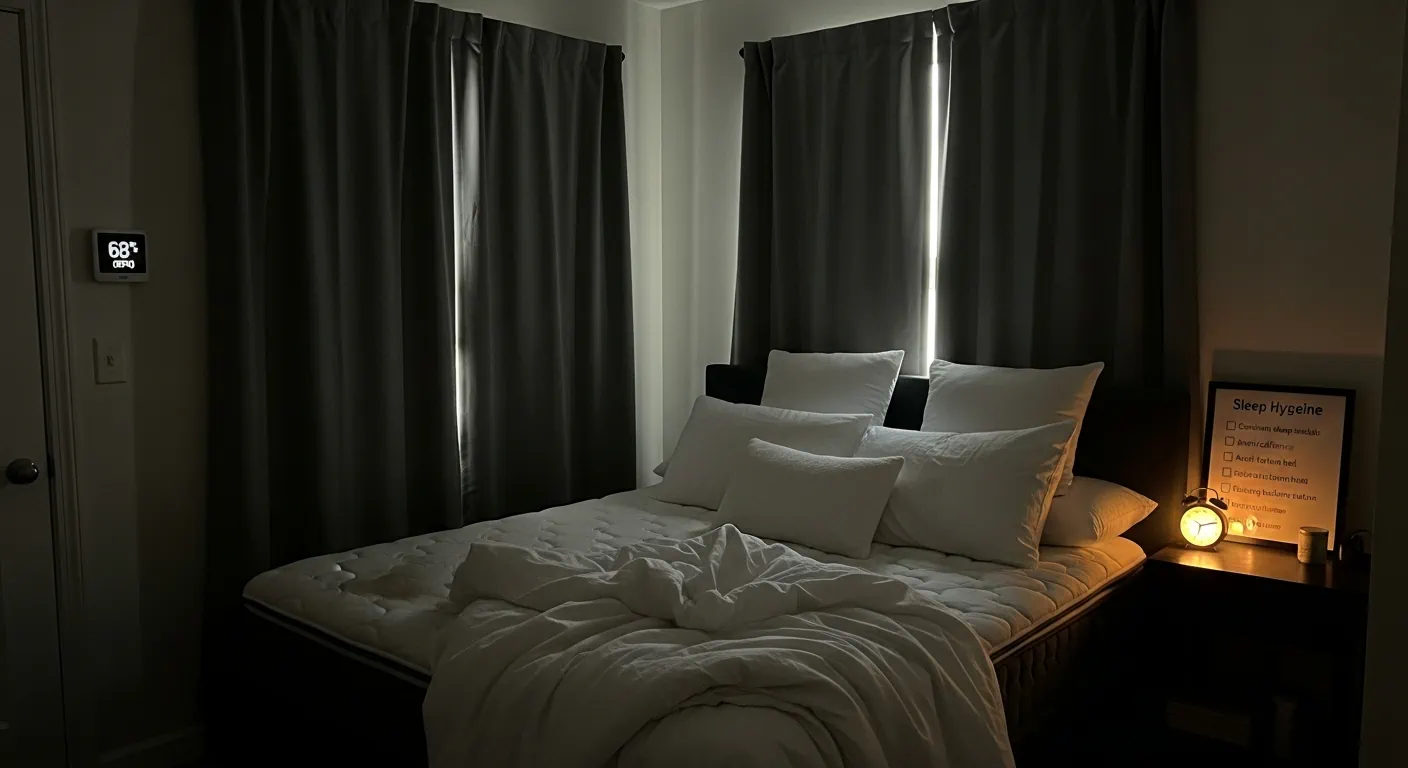
Your bedroom environment plays a pivotal role in your ability to fall asleep and stay asleep, especially when aiming for increased deep sleep. The goal is to create a sanctuary that signals to your brain that it's time to wind down and rest.
Temperature Control
- Cool is Key: Studies consistently show that a cooler room temperature promotes better sleep quality. The ideal range is typically between 60-67°F (15-19°C). A slight drop in body temperature is a natural cue for sleep.
- Ventilation: Ensure good air circulation. Stale, warm air can disrupt sleep.
Darkness Matters
- Eliminate Light: Even small amounts of light can interfere with melatonin production, a hormone crucial for sleep. Use blackout curtains, cover electronic device lights, and consider an eye mask if necessary.
- Dim Evening Lights: In the hours leading up to bedtime, use dim, warm-toned lighting to signal to your body that night is approaching.
Noise Reduction
- Minimize Disruptions: A quiet environment is essential. If you live in a noisy area, consider using earplugs or a white noise machine.
- Consistent Sound: White noise, pink noise, or nature sounds can mask disruptive noises and create a consistent auditory backdrop for sleep.
Comfortable Bedding
- Mattress and Pillows: Invest in a mattress and pillows that provide adequate support and comfort for your body.
- Breathable Fabrics: Choose bedding made from natural, breathable materials like cotton or linen to help regulate body temperature.
Creating an optimal sleep environment is a foundational step in any evidence-based sleep improvement plan. Readers looking to further refine their sleep space might find articles on sleep hygiene particularly helpful.
Establishing a Consistent Sleep Schedule and Routine
The human body thrives on rhythm. A consistent sleep schedule and a relaxing bedtime routine are powerful tools for regulating your body's natural sleep-wake cycle (circadian rhythm), which in turn influences the depth and quality of your sleep.
The Power of Consistency
- Same Bedtime and Wake-Up Time: Go to bed and wake up at roughly the same time every day, even on weekends. This helps to synchronize your internal clock.
- Circadian Rhythm Alignment: Consistency reinforces your body's natural sleep-wake signals, making it easier to fall asleep and wake up feeling refreshed.
Crafting a Relaxing Bedtime Routine
A pre-sleep ritual signals to your body that it's time to transition from activity to rest. This routine should be calming and enjoyable.
- Wind-Down Period: Dedicate 30-60 minutes before bed to quiet activities.
- Avoid Stimulants: Steer clear of screens, intense conversations, or demanding tasks.
- Relaxation Techniques: Incorporate activities like gentle stretching, reading a physical book, taking a warm bath, or listening to calming music.
- Mindfulness and Meditation: Practicing mindfulness can help quiet a racing mind, which is often a barrier to deep sleep.
A structured approach to your evening, as part of an evidence-based sleep improvement strategy, can significantly impact your ability to achieve deep sleep. You may find exploring articles on chronobiology useful for a deeper understanding of these natural rhythms.
Lifestyle Choices for Enhanced Deep Sleep
Beyond environmental factors and routines, daily lifestyle choices have a profound impact on your sleep architecture, including the amount of deep sleep you experience.
Diet and Nutrition
- Balanced Meals: Avoid heavy meals, excessive caffeine, and alcohol close to bedtime. Caffeine can linger in your system for hours, and alcohol, while it may induce sleepiness, disrupts sleep later in the night.
- Magnesium-Rich Foods: Foods like leafy greens, nuts, and seeds contain magnesium, a mineral that plays a role in sleep regulation.
- Tart Cherry Juice: Some research suggests that tart cherry juice may help improve sleep duration and quality due to its natural melatonin content.
Regular Physical Activity
- Exercise Benefits: Regular physical activity can significantly improve sleep quality and increase deep sleep. Aim for at least 30 minutes of moderate-intensity exercise most days of the week.
- Timing is Key: Avoid vigorous exercise within a few hours of bedtime, as it can be too stimulating. Gentle activities like yoga or stretching are generally fine.
Stress Management Techniques
- Chronic Stress Impact: Persistent stress elevates cortisol levels, which can interfere with the natural sleep cycle and reduce deep sleep.
- Effective Strategies: Practice deep breathing exercises, progressive muscle relaxation, journaling, or engaging in hobbies that help you de-stress.
These lifestyle adjustments are critical components of an evidence-based sleep improvement plan and are often discussed in comprehensive guides to sleep health.
Differentiated Value: The Role of Blue Light and Sleep Inertia
While many resources cover the basics of sleep hygiene, understanding specific disruptive factors and their impact on deep sleep provides a more nuanced approach to evidence-based sleep improvement. Two such areas are the pervasive effect of blue light and the phenomenon of sleep inertia.
Navigating Blue Light Exposure
Blue light, emitted from electronic devices like smartphones, tablets, and computers, is particularly disruptive to our circadian rhythm. It mimics daylight, signaling to the brain that it's time to be awake.
- Melatonin Suppression: Exposure to blue light in the evening can suppress melatonin production, making it harder to fall asleep and potentially reducing the time spent in deep sleep.
- Mitigation Strategies:
- Blue Light Filters: Use blue light filtering apps or glasses in the hours before bed.
- Screen-Free Time: Aim for at least 1-2 hours of screen-free time before sleep.
- Red/Amber Lighting: Switch to warmer light bulbs in your bedroom and living areas during the evening.
This focus on specific light wavelengths offers a more precise strategy for evidence-based sleep improvement compared to general advice on reducing screen time.
Understanding and Minimizing Sleep Inertia
Sleep inertia is the feeling of grogginess, disorientation, and impaired cognitive function that can occur immediately after waking up. It's a common experience, but its severity can be influenced by how you wake and your sleep stage at the time of awakening.
- Impact on Deep Sleep: Waking abruptly from deep sleep often leads to more pronounced sleep inertia.
- Minimizing Strategies:
- Gentle Awakening: Use a gradually increasing light alarm clock or a less jarring alarm sound.
- Consistent Wake Times: Reinforces your body's natural wake signals, reducing the likelihood of feeling groggy.
- Exposure to Natural Light: Upon waking, expose yourself to natural daylight as soon as possible to help reset your circadian rhythm.
- Hydration: Drinking a glass of water upon waking can help combat grogginess.
Addressing sleep inertia directly, by understanding its link to sleep stages, provides an advanced layer to evidence-based sleep improvement. A 2024 study published in the Journal of Sleep Research highlighted the significant impact of controlled waking protocols on mitigating sleep inertia, underscoring its importance in optimizing morning alertness.
Authoritative Insights and Latest Trends
Recent research continues to shed light on optimizing sleep, reinforcing many established principles while also introducing new perspectives.
- The Gut-Brain Connection: Emerging studies from institutions like the National Sleep Foundation (published 2025) are exploring the intricate relationship between gut microbiome health and sleep quality. A balanced gut may positively influence neurotransmitters involved in sleep regulation, potentially enhancing deep sleep. This suggests that dietary interventions focusing on gut health could be a novel avenue for evidence-based sleep improvement.
- Personalized Sleep Tracking: While not a replacement for professional medical advice, advanced wearable sleep trackers are providing individuals with more granular data on their sleep stages. This data, when interpreted correctly and used to inform lifestyle adjustments, can offer personalized insights into what specific practices are most effective for an individual's deep sleep. A review in Sleep Medicine Reviews (2023) noted that while consumer trackers have limitations, they can empower individuals to make informed changes in their sleep habits.
Frequently Asked Questions (FAQ)
Q1: How much deep sleep do I actually need each night? Most adults require about 13-23% of their total sleep time to be spent in deep sleep, which typically equates to 1.5 to 2 hours per night. This amount can vary based on age and individual needs.
Q2: Can I force myself to get more deep sleep? While you can't directly "force" deep sleep, you can create the optimal conditions and adopt habits that significantly increase your chances of achieving it. Focusing on the foundational elements of sleep hygiene and lifestyle adjustments is key.
Q3: What are the first signs of not getting enough deep sleep? Common signs include persistent daytime fatigue or sleepiness, difficulty concentrating, impaired memory, increased irritability, and a weakened immune system, making you more susceptible to illness.
Q4: When should I consider seeking professional help for sleep issues? If you consistently struggle with sleep despite implementing evidence-based sleep improvement strategies, or if your sleep problems significantly impact your daily life, it's advisable to consult a doctor or a sleep specialist.
Conclusion and Next Steps
Enhancing your deep sleep is a cornerstone of overall health and well-being. By implementing these evidence-based sleep improvement strategies – optimizing your environment, establishing consistent routines, making mindful lifestyle choices, and understanding nuanced factors like blue light and sleep inertia – you can significantly improve the restorative quality of your sleep.
Your next steps:
- Assess Your Current Habits: Honestly evaluate your current sleep environment, daily routine, and lifestyle choices.
- Implement One Change at a Time: Don't try to overhaul everything at once. Start with one or two strategies that seem most impactful for you.
- Be Patient and Consistent: It takes time for your body to adapt to new habits. Stick with your efforts, and you'll likely see improvements.
- Share Your Journey: Discuss your sleep goals with friends or family, or share your experiences in the comments below. Encouragement and accountability can be powerful motivators.
- Explore Further: For those interested in delving deeper into sleep science, consider exploring articles on sleep disorders or the impact of sleep on cognitive function.
Prioritizing your deep sleep is an investment in your health, productivity, and happiness. Sweet dreams!