Effective Insomnia Relief Techniques: Finally Get Rest
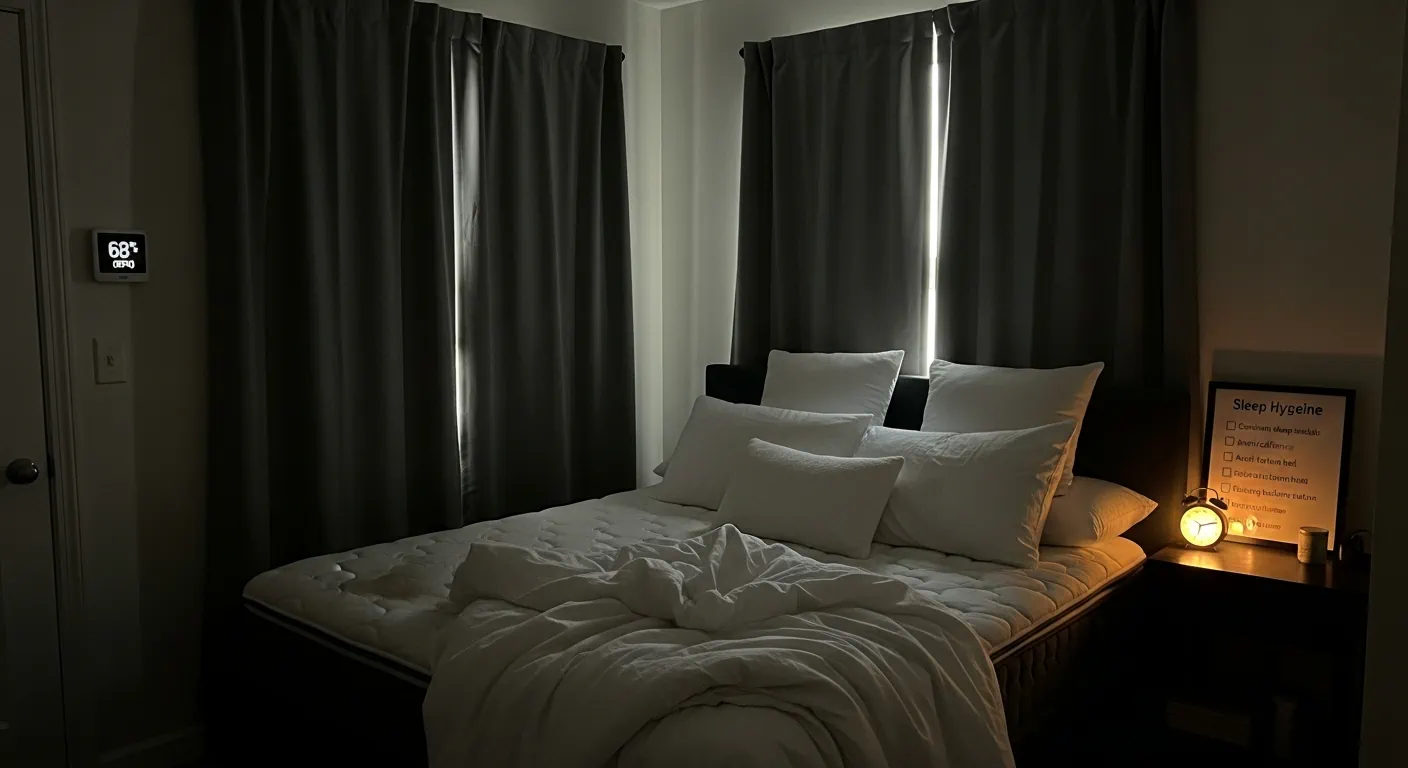
Dealing with insomnia can feel like an endless, frustrating cycle of tossing and turning, desperately trying to achieve restful sleep. If you're tired of counting sheep without success, you're not alone. Millions struggle with this common sleep disorder, impacting their daily lives, mood, and overall health. Fortunately, a variety of effective insomnia relief techniques exist, ranging from simple lifestyle adjustments to more structured approaches. This guide aims to provide you with actionable strategies to finally get the restorative sleep you deserve.
Key Points:
- Understand Sleep Hygiene: Mastering the basics of good sleep habits is foundational.
- Cognitive Behavioral Therapy for Insomnia (CBT-I): Explore proven psychological techniques.
- Lifestyle Adjustments: Diet, exercise, and environment play crucial roles.
- Relaxation Techniques: Learn to calm your mind and body for sleep.
- When to Seek Professional Help: Recognize the signs and know your options.
Understanding Insomnia and Its Impact
Insomnia is a sleep disorder characterized by difficulty falling asleep, staying asleep, or experiencing non-restorative sleep, despite adequate opportunity for sleep. This can lead to daytime fatigue, irritability, concentration problems, and an increased risk of accidents. Chronic insomnia can significantly affect one's quality of life, mental health, and even physical well-being. Recognizing the signs and understanding its impact is the first step toward finding effective insomnia relief techniques.
Common Causes of Insomnia
Insomnia can stem from a multitude of factors, often intertwined. Identifying potential triggers is crucial for tailoring the most effective relief strategies.
- Stress and Anxiety: Worries about work, finances, or personal relationships are frequent culprits. Heightened mental activity at bedtime makes sleep elusive.
- Poor Sleep Habits (Sleep Hygiene): Inconsistent sleep schedules, late-night screen time, or an uncomfortable sleep environment can disrupt natural sleep patterns.
- Medical Conditions: Pain, breathing disorders (like sleep apnea), restless legs syndrome, and hormonal changes can interfere with sleep.
- Medications: Certain prescriptions, including those for heart conditions, asthma, or depression, can have insomnia as a side effect.
- Lifestyle Factors: Excessive caffeine or alcohol consumption, especially close to bedtime, and lack of physical activity can contribute.
Foundational Sleep Hygiene for Effective Insomnia Relief
Before diving into advanced techniques, solidifying your sleep hygiene is paramount. These are the bedrock principles for achieving consistent, restful sleep and are often the first line of defense in effective insomnia relief techniques.
Creating an Optimal Sleep Environment
Your bedroom should be a sanctuary for sleep. Consider these adjustments:
- Darkness: Use blackout curtains and cover any light-emitting electronics. Even small amounts of light can disrupt melatonin production.
- Quiet: Employ earplugs, a white noise machine, or a fan to mask disruptive sounds.
- Cool Temperature: Most people sleep best in a cool room, typically between 60-67°F (15-19°C).
- Comfortable Bedding: Ensure your mattress and pillows are supportive and comfortable.
Establishing a Consistent Sleep Schedule
The body thrives on routine. Going to bed and waking up at roughly the same time each day, even on weekends, helps regulate your body's internal clock (circadian rhythm). Consistency is key for training your body when to expect sleep.
Pre-Sleep Routine for Relaxation
Wind down for at least an hour before bed. This signals to your brain that it's time to transition from wakefulness to sleep.
- Avoid Stimulants: Limit caffeine and nicotine, especially in the afternoon and evening.
- Limit Alcohol: While alcohol might make you feel drowsy initially, it disrupts sleep later in the night.
- Screen Time Reduction: The blue light emitted from phones, tablets, and computers can suppress melatonin. Opt for reading a book or listening to calm music instead.
- Light Snack: If hungry, choose something light and easily digestible.
Cognitive Behavioral Therapy for Insomnia (CBT-I): A Powerful Tool
For persistent insomnia, Cognitive Behavioral Therapy for Insomnia (CBT-I) is considered the gold standard and a highly effective insomnia relief technique. It addresses the underlying thoughts and behaviors that perpetuate sleeplessness, often proving more effective long-term than medication alone. A review published in the Journal of Clinical Sleep Medicine in 2023 highlighted the sustained benefits of CBT-I in improving sleep quality.
Key Components of CBT-I
CBT-I typically involves several core strategies:
- Sleep Restriction Therapy: This involves limiting the time spent in bed to the actual amount of time you're sleeping. While it may initially lead to more consolidated wakefulness, it helps strengthen the sleep drive, leading to more efficient sleep over time. This technique requires careful monitoring and guidance from a therapist.
- Stimulus Control Therapy: This aims to re-associate your bed with sleep, not frustration. You're instructed to go to bed only when sleepy and to leave the bedroom if you can't fall asleep within 20 minutes. The bed should only be used for sleep and intimacy.
- Cognitive Restructuring: This technique challenges negative or anxious thoughts about sleep. For example, instead of thinking "I'll never sleep tonight," you might learn to reframe it as "I'm having trouble sleeping right now, but I can try some relaxation techniques."
- Sleep Hygiene Education: As discussed earlier, this forms a crucial part of CBT-I.
- Relaxation Training: Techniques like progressive muscle relaxation or guided imagery are taught to reduce physiological arousal.
Lifestyle Modifications for Enhanced Sleep
Beyond the immediate pre-sleep routine, broader lifestyle choices significantly impact your ability to achieve effective insomnia relief.
The Role of Exercise
Regular physical activity can dramatically improve sleep quality. Aim for at least 30 minutes of moderate-intensity exercise most days of the week. However, avoid intense workouts close to bedtime, as this can be stimulating. Morning or afternoon exercise is generally recommended.
Nutrition and Sleep
What you eat and drink can affect your sleep.
- Balanced Diet: A diet rich in fruits, vegetables, and whole grains supports overall health, including sleep.
- Limit Heavy Meals Before Bed: Digestion can interfere with sleep.
- Magnesium-Rich Foods: Foods like leafy greens, nuts, and seeds contain magnesium, which may play a role in sleep regulation.
- Tart Cherry Juice: Some research suggests that tart cherry juice, a natural source of melatonin, may help improve sleep duration and quality, as noted in a study from Nutrients in 2024.
Hydration and Sleep
While staying hydrated is vital, avoiding excessive fluids before bed can prevent nighttime awakenings due to the need to use the bathroom.
Relaxation and Mindfulness Techniques for Insomnia
When your mind races, it’s hard to switch off. Incorporating relaxation and mindfulness can be powerful insomnia relief techniques.
Deep Breathing Exercises
Simple, yet incredibly effective, deep breathing can calm the nervous system. Try the 4-7-8 technique: inhale for a count of 4, hold for 7, and exhale for 8. Focus on the sensation of your breath.
Progressive Muscle Relaxation (PMR)
This technique involves tensing and then releasing different muscle groups in your body, one by one. It helps you become more aware of physical tension and learn to release it, promoting a sense of calm.
Guided Imagery and Meditation
These practices involve using mental images or focusing your attention to achieve a state of relaxation. Apps and online resources offer numerous guided meditations specifically designed for sleep. Mindfulness meditation teaches you to observe your thoughts without judgment, which can be particularly helpful for quieting a busy mind.
Differentiated Value: The Gut-Brain Axis and Sleep
Emerging research highlights the intricate connection between your gut microbiome and your brain, including its influence on sleep. This gut-brain axis is a crucial area for understanding and potentially treating insomnia.
Probiotics and Sleep
The trillions of bacteria in your gut produce neurotransmitters like serotonin, which plays a significant role in mood and sleep regulation. A balanced gut microbiome may contribute to better sleep by supporting healthy neurotransmitter production. Some studies, including preliminary findings from 2025, are exploring specific probiotic strains that may enhance GABA (gamma-aminobutyric acid) levels, a calming neurotransmitter.
Prebiotics and Sleep
Prebiotics, which are fibers that feed beneficial gut bacteria, can indirectly influence sleep by fostering a healthier gut environment. Ensuring adequate prebiotic intake through foods like onions, garlic, and bananas can support the gut bacteria that may, in turn, benefit sleep. This area represents a frontier in sleep research, offering a unique angle on effective insomnia relief techniques.
When to Seek Professional Help for Insomnia
While self-help strategies are valuable, some individuals require professional intervention. If insomnia persists for more than a few weeks, significantly impacts your daily functioning, or is accompanied by other symptoms like excessive daytime sleepiness, it's time to consult a healthcare professional.
What to Expect from Your Doctor
Your doctor can help identify underlying medical conditions or medication side effects contributing to your insomnia. They may recommend:
- Referral to a Sleep Specialist: These experts can conduct detailed sleep studies and offer specialized treatment plans.
- Prescription Medications: While often a short-term solution, sleep medications might be prescribed in certain cases.
- Referral to a CBT-I Therapist: If CBT-I is deemed appropriate, your doctor can guide you to a qualified therapist.
A 2023 report by the American Academy of Sleep Medicine emphasized the importance of a comprehensive assessment for chronic insomnia, advocating for non-pharmacological approaches as first-line treatments.
Frequently Asked Questions About Insomnia Relief
Q1: How quickly can I expect to see results from insomnia relief techniques? Results vary greatly depending on the technique and the individual. Basic sleep hygiene improvements might yield noticeable changes within a week or two. More intensive therapies like CBT-I can take several weeks to months to show significant and lasting benefits. Patience and consistency are key.
Q2: Are there any natural remedies for insomnia that actually work? Yes, several natural approaches can help. These include establishing good sleep hygiene, practicing relaxation techniques like deep breathing or meditation, and ensuring a comfortable sleep environment. Some people find herbal supplements like valerian root or chamomile tea helpful, though scientific evidence for their efficacy is mixed and it’s always best to consult a doctor before using supplements.
Q3: Can stress management techniques help me sleep better? Absolutely. Stress and anxiety are major contributors to insomnia. Incorporating stress-reduction techniques such as mindfulness, yoga, journaling, or spending time in nature can significantly calm your mind and body, making it easier to fall asleep. Addressing the root causes of stress is a powerful insomnia relief strategy.
Q4: Is it okay to take sleep aids if I have insomnia? Over-the-counter and prescription sleep aids can provide temporary relief but are not a long-term solution for most people. They can lead to dependence and side effects. It's highly recommended to try behavioral and lifestyle interventions first, and to use sleep medications only under the guidance of a healthcare professional, often as part of a broader treatment plan.
Conclusion: Your Path to Restful Sleep
Achieving restful sleep is not a luxury; it's a necessity for good health and well-being. By understanding the principles of good sleep hygiene, exploring powerful techniques like CBT-I, making informed lifestyle choices, and embracing relaxation methods, you can make significant strides toward overcoming insomnia. Remember that effective insomnia relief techniques are often a combination of strategies tailored to your individual needs.
Don't hesitate to reach out for professional help if you're struggling. Your journey to finally getting restorative sleep is achievable.
Take Action Today:
- Commit to one new sleep hygiene practice this week.
- Try a 5-minute guided meditation before bed tonight.
- Share your favorite insomnia relief tip in the comments below!
For readers interested in deepening their understanding of sleep, explore related articles on the impact of diet on sleep quality or advanced mindfulness practices for anxiety reduction.