Beyond the Bedroom: Comprehensive Strategies for Cultivating a Holistic Sleep-Friendly Environment Throughout Your Home
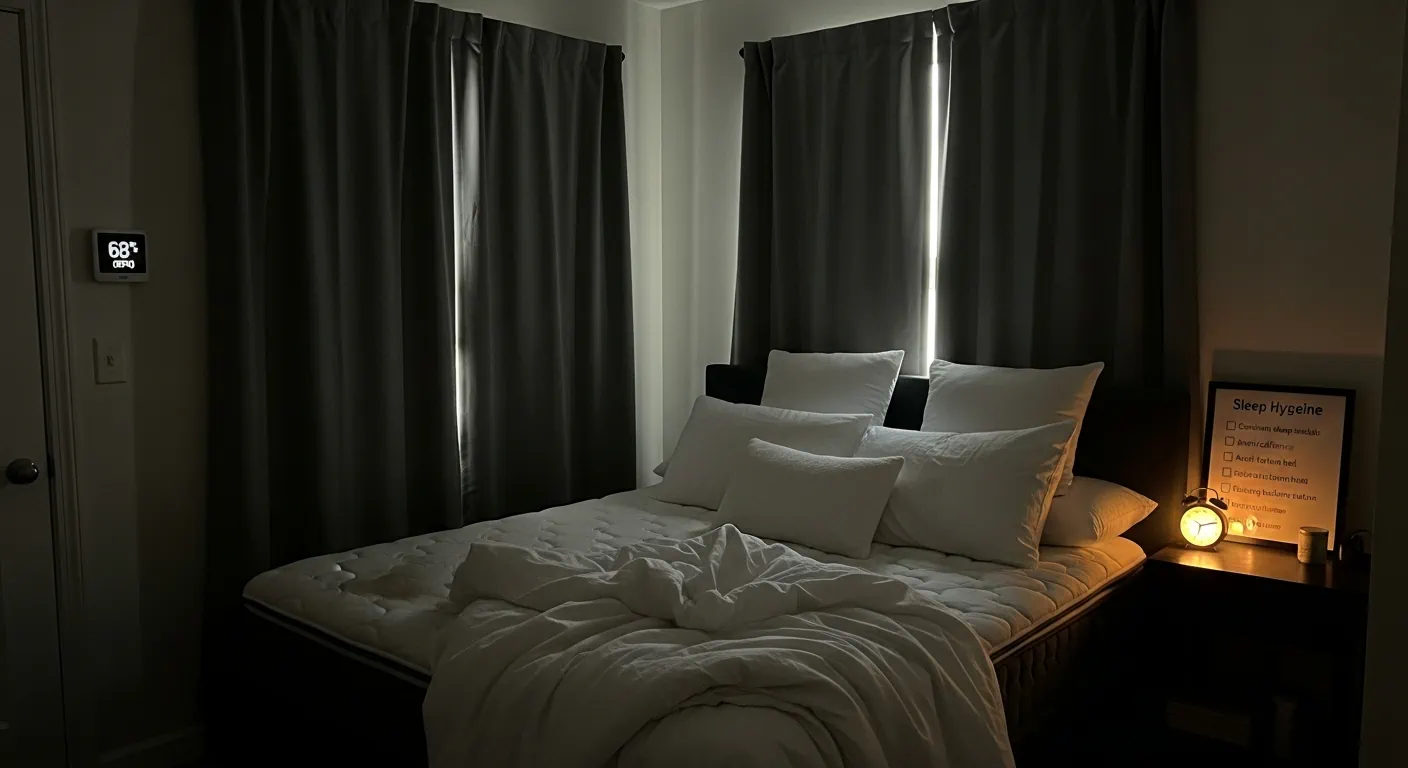
A good night's sleep is the cornerstone of overall well-being, yet for many, it remains an elusive goal. While much attention is rightly placed on optimizing the bedroom, true restorative sleep often requires a more expansive approach. This article delves into comprehensive strategies for cultivating a holistic sleep-friendly environment that extends beyond the bedroom to every corner of your home. By integrating mindful design and routine adjustments throughout your living spaces, you can create an ecosystem that naturally supports your circadian rhythm, reduces stress, and enhances your ability to fall asleep and stay asleep. It's about recognizing that every room influences your daily cycle and, by extension, your nightly rest.
Key Points for a Holistic Sleep-Friendly Home:
- Optimizing Light Exposure: Regulate natural and artificial light to support your circadian rhythm.
- Managing Sound and Noise: Create zones of quiet and introduce calming soundscapes.
- Temperature and Air Quality Control: Maintain ideal conditions throughout your home.
- Decluttering and Visual Calm: Design spaces that reduce mental load and promote relaxation.
- Strategic Relaxation Zones: Integrate winding-down practices into daily living areas.
Understanding the Holistic Sleep-Friendly Environment
To truly improve sleep, we must look at our home not just as a collection of rooms, but as an interconnected system influencing our physiology and psychology 24/7. A holistic sleep-friendly environment considers how various elements—light, sound, temperature, and even visual clutter—impact our stress levels, alertness, and ultimately, our readiness for sleep. It acknowledges that the actions and sensations experienced in your living room, kitchen, or home office directly contribute to your overall sleep hygiene.
Moving beyond the traditional focus on just the bedroom means recognizing that preparation for sleep begins hours before you ever lie down. From bright morning light in your kitchen to dim evening light in your living space, every decision shapes your body's natural sleep-wake cycle. This integrated approach can be particularly beneficial for individuals struggling with insomnia, as it addresses a broader spectrum of potential sleep disruptors.
Optimizing Light for Your Circadian Rhythm Throughout Your Home
Light is the single most powerful external cue for regulating our circadian rhythm, our internal 24-hour clock. Optimizing light exposure throughout your home is a primary strategy for cultivating a holistic sleep-friendly environment.
Daytime Brightness for Alertness
Harnessing bright light during the day, especially natural sunlight, signals to your body that it's time to be awake and alert. Ensure your main living areas, like the kitchen and home office, are well-lit in the mornings and afternoons. Open blinds and curtains wide, or consider installing smart lighting systems that mimic natural daylight cycles. According to a 2024 review published in Sleep Medicine Reviews, consistent daytime light exposure significantly improves sleep quality and reduces nocturnal awakenings.
Evening Dimming and Blue Light Reduction
As evening approaches, the goal shifts to reducing light intensity, particularly blue light, which can suppress melatonin production. This isn't just for the bedroom. Start dimming lights in your living room, dining area, and even hallways several hours before bedtime. Switch to warmer, lower-wattage bulbs or use dimmers. Furthermore, activate "night mode" on all electronic devices (phones, tablets, TVs) to filter blue light, especially if you use them in common areas during the evening. This conscious effort helps your body naturally wind down.
Cultivating Tranquility: Sound and Noise Management Beyond the Bedroom
Unwanted noise can be a significant disruptor, even if you're not consciously aware of it. Implementing sound management strategies throughout your home is crucial for a holistic sleep-friendly environment.
Quieting Common Areas
Think about the ambient noise in your living room or kitchen. Traffic, barking dogs, or even household appliances can create a subtle, ongoing stressor. Consider adding sound-absorbing elements like heavy curtains, rugs, and upholstered furniture in these spaces. For shared living situations, establishing quiet hours in common areas can make a significant difference. Research from the National Sleep Foundation (2023) emphasizes that even low-level background noise can fragment sleep architecture.
Strategic Soundscapes
Conversely, certain sounds can be beneficial. In areas like a reading nook or a home office, consider incorporating subtle white noise machines or nature sounds to mask disruptive noises and create a more focused, calming atmosphere. These can be particularly helpful for creating distinct "zones" of activity and rest within an open-plan home.
Temperature and Air Quality: Essential Elements for a Sleep-Conducive Home
Temperature and air quality are often overlooked outside the bedroom, but they play a vital role in creating a sleep-friendly home.
Zoned Climate Control
While the ideal bedroom temperature for sleep is typically between 60-67°F (15-19°C), maintaining comfortable temperatures throughout your home prevents your body from having to drastically adjust as you move between rooms. If possible, consider smart thermostats with zoning capabilities to ensure optimal temperatures for different areas at different times. In my experience, even a few degrees' difference can trigger restlessness when moving from a warm living room to a cool bedroom.
Enhancing Indoor Air Quality
Poor air quality, characterized by dust, allergens, or strong odors, can negatively impact breathing and comfort. Regular ventilation is key: open windows when air quality permits, use exhaust fans in kitchens and bathrooms, and incorporate air-purifying plants like snake plants or peace lilies. A good quality air purifier can also be beneficial in active living spaces, reducing irritants that might otherwise contribute to nighttime congestion.
Decluttering and Design: Creating Visually Calming Spaces for Enhanced Sleep
The visual environment of your home has a profound impact on your mental state. A cluttered space can lead to a cluttered mind, making relaxation and sleep more difficult.
The Psychology of Space and Clutter
Our brains constantly process visual information. A busy, disorganized living room or a chaotic hallway can unconsciously raise stress levels. Adopt a minimalist approach in common areas where possible. Designate specific homes for items, and regularly declutter surfaces. This reduces visual noise and creates a sense of order that translates to mental calm. Optimizing your bedroom for deep sleep with specific decluttering strategies can further enhance your sleep environment.
Biophilic Design Principles
Integrating elements of nature, known as biophilic design, can significantly enhance the calming effect of your home. Introduce indoor plants, use natural materials like wood and stone, and incorporate nature-inspired art. Even a simple view of greenery from a window can reduce stress and promote a sense of well-being, paving the way for better sleep.
Strategic Relaxation Zones: Integrating Sleep Preparation into Daily Life
A holistic sleep-friendly environment encourages relaxation and winding-down rituals well before bedtime.
Dedicated Reading Nooks or Meditation Corners
Create small, inviting spaces in your living room, den, or even a quiet corner of a larger room, dedicated solely to relaxation. A comfortable chair, soft lighting, and perhaps a small selection of books can transform a space into a "pre-sleep preparation zone." Using this area regularly helps condition your mind to associate it with calm. Understanding the role of light in circadian rhythms can provide deeper insights into managing your light exposure throughout the day.
Evening Routine Hotspots
Consider how your evening routine flows through your home. Can your bathroom be transformed into a mini-spa with dim lighting and soothing scents for a warm bath? Can your kitchen facilitate a calm, light meal without bright overhead lights? Thoughtfully designing these transitions makes the entire process of preparing for sleep more seamless and enjoyable.
The Role of Technology: Smart Home Solutions for a Holistic Sleep-Friendly Environment
Leveraging smart home technology offers a modern edge in creating an optimal holistic sleep-friendly environment. The latest industry trends emphasize integrated systems that automate conditions for better sleep.
Smart lighting systems, such as Philips Hue or Lutron Caséta, can be programmed to gradually dim lights in your living room and kitchen as evening progresses, mimicking sunset. Smart thermostats (e.g., Nest, Ecobee) can adjust temperatures across zones, ensuring your active areas are comfortable during the day and your bedroom cools down sufficiently for sleep. Furthermore, smart speakers can play calming soundscapes or guide meditations in designated relaxation zones. These systems, when used mindfully, remove the friction of manual adjustments, making a consistent sleep-friendly environment easier to maintain.
FAQ Section
Q: Why is it important to cultivate a sleep-friendly environment beyond just the bedroom? A: Sleep preparation is a continuous process. Your environment throughout the day and evening significantly impacts your stress levels, alertness, and circadian rhythm. A holistic approach ensures that every space in your home supports winding down, reduces sleep disruptors like light and noise, and creates a consistent signal to your body that rest is approaching. This integrated strategy can enhance overall sleep quality.
Q: What are some common non-bedroom elements that disrupt sleep? A: Common disruptors outside the bedroom include excessive blue light exposure from screens in living areas, loud ambient noise from traffic or neighbors, clutter that creates visual and mental stress, uncomfortable temperatures in shared spaces, and poor indoor air quality. Even stimulating activities like intense work in a home office too close to bedtime can hinder your ability to relax.
Q: Can smart home technology genuinely improve sleep throughout the house? A: Yes, when utilized thoughtfully, smart home technology can significantly contribute to a sleep-friendly environment. Automated lighting systems can shift from bright, cool light during the day to warm, dim light in the evening. Smart thermostats can maintain optimal temperatures across different zones. Integrating these systems creates a seamless, consistent environment that gently guides your body towards sleep by regulating light, temperature, and sound automatically.
Q: How quickly can I expect to see results from implementing these strategies? A: The speed of results can vary based on individual sensitivity and the extent of changes made. Many people report noticeable improvements in relaxation and ease of falling asleep within a few days to a week of making significant adjustments to light and sound. Consistency is key; sustained implementation over several weeks or months typically leads to more profound and lasting benefits in overall sleep quality.
Conclusion
Creating a holistic sleep-friendly environment is a powerful investment in your health and well-being. By thoughtfully integrating comprehensive strategies for light, sound, temperature, air quality, and visual design across your entire home, you empower your body's natural ability to rest and rejuvenate. Moving beyond the bedroom allows you to cultivate a seamless transition from daily activity to peaceful slumber, addressing the root causes of sleep disruption throughout your living spaces.
We encourage you to experiment with these strategies and observe the positive changes in your sleep patterns and overall mood. Share your experiences in the comments below – what non-bedroom sleep hacks have worked best for you? For further reading on related topics, explore our category on /categories/insomnia-relief or consider articles on "The Impact of Nutrition on Sleep" or "Mindfulness Practices for Better Rest." This article was published on December 7, 2025, and the information presented here is based on current research and best practices in sleep science. We recommend reviewing your home environment biannually for potential updates or improvements. Future topics could explore the impact of specific home scents on sleep or advanced soundproofing techniques for open-plan living.