Better Sleep Recovery: Tips for Faster Physical Restoration
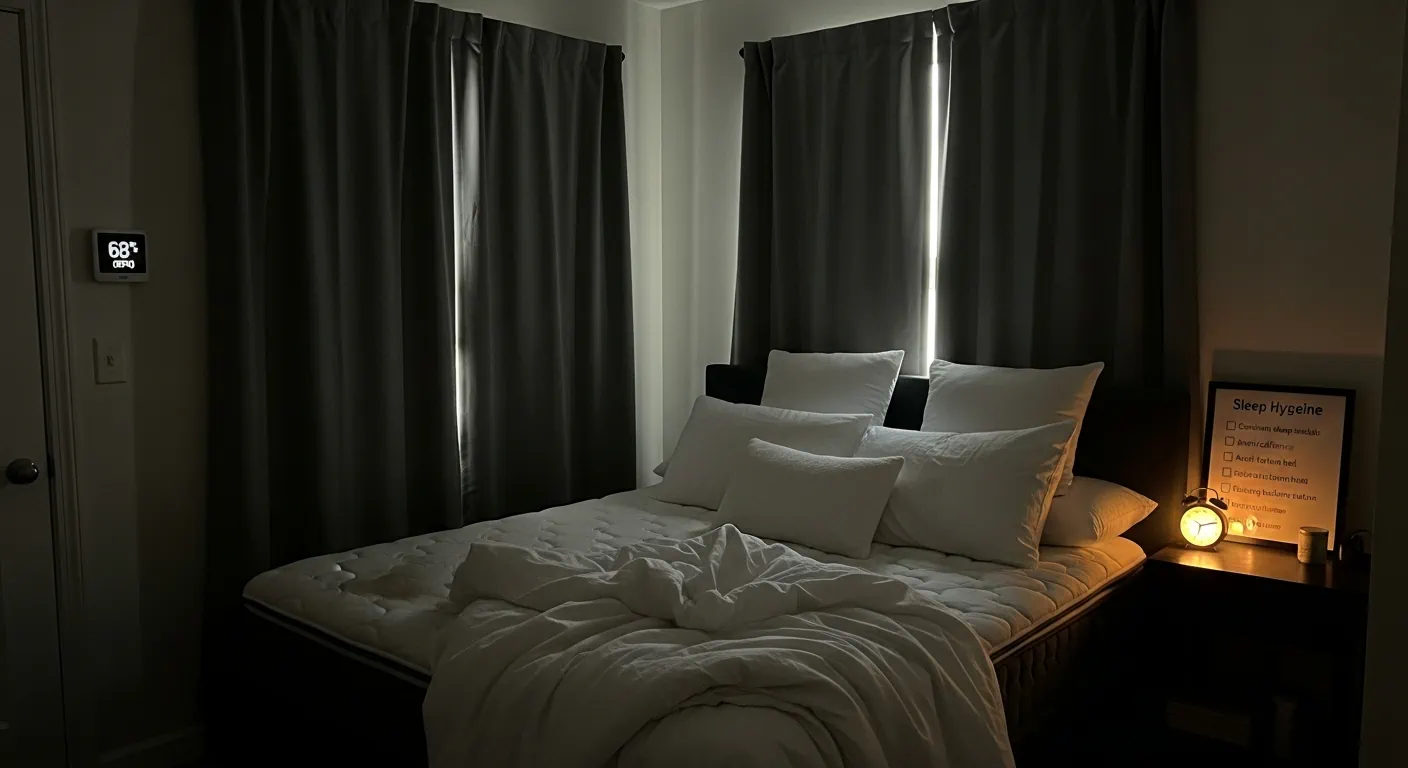
Unlock Your Body's Potential: Achieving Better Sleep Recovery for Faster Physical Restoration
In our fast-paced world, achieving better sleep recovery is not just a luxury; it's a necessity for optimal physical restoration. Sleep is the body's fundamental repair shop, a critical period where muscles mend, tissues rebuild, and energy stores are replenished. When we fall short on quality sleep, our physical capabilities suffer, leading to increased fatigue, reduced performance, and a compromised immune system. This article delves into actionable strategies to enhance your sleep, paving the way for accelerated physical restoration and a more energized life.
Key Points:
- Prioritize sleep hygiene for consistent, quality rest.
- Optimize your sleep environment for maximum restorative benefits.
- Incorporate mindful practices to calm the mind before bed.
- Understand the impact of diet and exercise on sleep quality.
- Recognize when to seek professional help for persistent sleep issues.
The Science of Sleep: Why Physical Restoration Matters
During deep sleep stages, the body releases human growth hormone (HGH), a key player in tissue repair, muscle growth, and cell regeneration. This is precisely why consistent, restorative sleep is paramount for anyone looking for faster physical restoration, whether you're an athlete recovering from training, recovering from illness, or simply managing the daily wear and tear on your body. When sleep is disrupted or insufficient, these vital repair processes are significantly hampered.
Understanding Sleep Cycles and Restoration
Sleep isn't a monolithic state; it cycles through different stages, each with a unique role. Non-rapid eye movement (NREM) sleep, particularly stages 3 and 4 (deep sleep), is where the most significant physical restoration occurs. During this phase, blood pressure drops, breathing slows, and tissues are repaired. REM sleep, on the other hand, is crucial for cognitive functions and memory consolidation, but it also plays a role in muscle recovery. Disruptions to these cycles, whether due to external factors or internal sleep disorders, can severely impact the body's ability to heal and rebuild.
The Impact of Poor Sleep on Physical Health
Chronic sleep deprivation doesn't just make you feel tired; it has tangible negative effects on your physical health:
- Delayed Muscle Repair: Reduced HGH levels mean muscles take longer to recover from exercise or injury.
- Increased Inflammation: Lack of sleep can elevate inflammatory markers in the body, hindering the healing process.
- Weakened Immune System: Your body's defenses are compromised, making you more susceptible to illness.
- Hormonal Imbalances: Sleep affects hormones regulating appetite, stress, and metabolism, further impacting physical well-being.
- Reduced Cognitive Function: While this article focuses on physical restoration, impaired cognitive function can indirectly affect physical performance and safety.
Actionable Tips for Better Sleep Recovery
Achieving better sleep recovery involves a multifaceted approach, addressing both your habits and your environment. Here are proven strategies to help your body heal and rebuild more effectively.
1. Master Your Sleep Environment: The Sanctuary for Restoration
Your bedroom should be a haven for sleep. Optimizing this space can dramatically improve the depth and quality of your rest.
Temperature Control: Keep it Cool
- Ideal Range: Most experts recommend a bedroom temperature between 60-67°F (15-19°C). A cooler environment signals to your body that it's time to sleep and can help initiate the natural drop in core body temperature that precedes sleep.
- Impact: Overheating can lead to restless sleep and frequent awakenings, disrupting the crucial deep sleep stages necessary for physical restoration.
Darkness is Key: Embrace the Night
- Eliminate Light: Even small amounts of light can interfere with melatonin production, the hormone that regulates sleep-wake cycles. Use blackout curtains, an eye mask, and ensure all electronic devices are either turned off or their lights are covered.
- Blue Light Reduction: Avoid screens (phones, tablets, computers) for at least an hour before bed. If you must use them, employ blue light filters.
Sound Scape: Minimize Disruptions
- Quiet Zone: Aim for a quiet environment. If external noise is an issue, consider earplugs or a white noise machine.
- White Noise Benefits: Consistent, low-level sounds can mask disruptive noises and create a soothing backdrop for sleep.
2. Cultivate a Consistent Sleep Schedule: The Bedrock of Recovery
Your body thrives on routine. A consistent sleep schedule is one of the most powerful tools for regulating your circadian rhythm and improving sleep quality.
Stick to Your Bedtime and Wake-Up Time
- Weekends Included: Aim to go to bed and wake up around the same time every day, even on weekends. While it might be tempting to sleep in, drastic shifts can confuse your body's internal clock.
- Gradual Adjustments: If you need to shift your schedule, do so gradually by 15-30 minutes each day.
The Power of Light Exposure
- Morning Sunlight: Expose yourself to bright natural light shortly after waking up. This helps set your circadian rhythm and signals to your body that it's time to be alert.
- Evening Dimming: As evening approaches, dim your indoor lights to prepare your body for sleep.
3. Optimize Your Pre-Sleep Routine: Winding Down for Better Sleep
The hour or two before bed is critical for transitioning your body and mind from the day's activities to a state conducive to sleep and faster physical restoration.
Mindful Relaxation Techniques
- Meditation and Deep Breathing: Engaging in mindfulness meditation or simple deep breathing exercises can significantly calm the nervous system. Even 10-15 minutes can make a difference.
- Journaling: Writing down worries or tasks for the next day can help clear your mind and prevent rumination.
Limit Stimulants and Heavy Meals
- Caffeine and Nicotine: Avoid caffeine and nicotine for at least 4-6 hours before bed, as they are stimulants that can disrupt sleep.
- Alcohol's Deceptive Effect: While alcohol might make you feel drowsy initially, it disrupts sleep architecture, leading to poorer quality sleep and less restorative rest.
- Heavy Meals: Avoid large, heavy meals close to bedtime. A light, easily digestible snack is acceptable if you're hungry.
Gentle Movement
- Light Stretching or Yoga: A gentle yoga routine or light stretching can help release physical tension accumulated throughout the day. Avoid intense exercise close to bedtime, as this can be too stimulating.
4. The Role of Diet and Nutrition in Sleep Recovery
What you consume significantly impacts your sleep quality and, consequently, your body's ability to recover.
Hydration Habits
- Stay Hydrated, But Not Too Much: Drink plenty of water throughout the day, but try to limit fluid intake in the 1-2 hours before bed to minimize nighttime bathroom trips.
Nutrient-Rich Foods
- Magnesium: Foods rich in magnesium, such as leafy greens, nuts, and seeds, have been linked to improved sleep quality. Magnesium plays a role in muscle relaxation and stress reduction.
- Tryptophan: This amino acid, found in foods like turkey, dairy, and nuts, is a precursor to serotonin and melatonin.
- Avoid Processed Foods: Diets high in processed foods and sugar can negatively affect sleep and increase inflammation, hindering physical restoration.
5. Exercise Wisely for Enhanced Sleep
Regular physical activity is a cornerstone of good sleep, but timing and intensity matter.
Timing is Everything
- Morning or Afternoon Exercise: Exercising earlier in the day is generally ideal. It can boost your metabolism and mood, making it easier to fall asleep at night.
- Late Evening Exercise Caution: Intense workouts within 2-3 hours of bedtime can elevate your heart rate and body temperature, making it harder to drift off.
Moderate vs. Intense
- Consistency Over Intensity: While intense training is beneficial for fitness, consistent moderate exercise often yields the best sleep benefits without over-stimulating the body.
6. Differentiated Insights: Beyond the Basics for Peak Restoration
While the foundational tips are crucial, incorporating these advanced strategies can further elevate your sleep recovery.
Circadian Rhythm Optimization with Light Therapy
- Beyond Natural Light: For individuals with significantly disrupted circadian rhythms or those living in regions with limited daylight, light therapy devices can be incredibly effective. Using a specialized light box for 20-30 minutes shortly after waking can powerfully reinforce your body's natural sleep-wake signals. According to research published in Sleep Medicine Reviews (2023), timed light exposure is a leading non-pharmacological intervention for circadian rhythm disorders.
The Gut-Brain Connection and Sleep
- Microbiome Support: Emerging research highlights the profound link between gut health and sleep quality. A balanced gut microbiome, rich in beneficial bacteria, can influence neurotransmitter production (like GABA), which has calming effects. Incorporating probiotic-rich foods (yogurt, kefir, sauerkraut) and prebiotic fibers (onions, garlic, bananas) can support this connection. A study in the Journal of Sleep Research (2024) indicated that individuals with a more diverse gut microbiome reported fewer sleep disturbances. This offers a unique angle for improving sleep recovery by nurturing your internal ecosystem.
7. When to Seek Professional Help
If you consistently struggle with sleep despite implementing these strategies, it's essential to consult a healthcare professional. Persistent sleep difficulties can be indicative of underlying sleep disorders such as:
- Insomnia: Difficulty falling or staying asleep.
- Sleep Apnea: Repeated pauses in breathing during sleep.
- Restless Legs Syndrome (RLS): An uncontrollable urge to move the legs.
A doctor can diagnose the issue and recommend appropriate treatments, which might include cognitive behavioral therapy for insomnia (CBT-I), CPAP machines for sleep apnea, or other medical interventions. Early diagnosis and treatment are key to restoring health and well-being.
Frequently Asked Questions (FAQ)
Q1: How much sleep do adults typically need for optimal physical restoration? A1: Most adults require 7-9 hours of quality sleep per night. The exact amount can vary, but consistently falling within this range is crucial for allowing your body sufficient time for muscle repair and cellular regeneration.
Q2: Can napping help with physical recovery if I didn't sleep well at night? A2: Short power naps (20-30 minutes) can be beneficial for boosting alertness and potentially aiding recovery. However, long or late-afternoon naps can interfere with nighttime sleep, so it's best to keep them brief and early in the day.
Q3: Are supplements like melatonin truly effective for sleep recovery? A3: Melatonin can be helpful for some individuals, particularly for adjusting to new time zones or shift work. However, it's not a cure-all and its effectiveness varies. For persistent issues, consulting a doctor is recommended to understand the root cause and appropriate solutions.
Q4: How can I tell if my sleep is truly restorative? A4: You'll likely wake up feeling refreshed, have sustained energy throughout the day without excessive fatigue, and experience good cognitive function. Physical recovery will also feel more efficient, with less persistent muscle soreness or fatigue.
Conclusion: Embrace Better Sleep for a Stronger You
Prioritizing better sleep recovery is one of the most impactful investments you can make in your physical health. By consistently applying these strategies—optimizing your environment, establishing a routine, practicing mindful wind-downs, and paying attention to your diet and exercise—you empower your body to achieve faster, more efficient physical restoration. Remember, quality sleep is not a passive state but an active process that underpins every aspect of your well-being.
Don't underestimate the power of a good night's rest. Start implementing these tips today and feel the difference in your energy levels, recovery speed, and overall vitality.
We encourage you to share your own experiences and any additional tips you've found effective in the comments below! Subscribe to our newsletter for more insights into sleep health and holistic well-being. For a deeper dive into understanding sleep disorders, explore our related articles on sleep hygiene and common sleep disturbances.