Best Sleep Habits for Adults: Boost Your Daily Energy
Best Sleep Habits for Adults: Boost Your Daily Energy
Adequate sleep is not a luxury; it's a fundamental pillar of good health, impacting everything from your mood and cognitive function to your physical vitality. For adults, establishing best sleep habits is crucial for combating fatigue and unlocking sustained daily energy. In our fast-paced world, many struggle to achieve the recommended 7-9 hours of quality sleep per night. This comprehensive guide will equip you with actionable strategies to optimize your sleep, helping you wake up feeling refreshed and ready to conquer your day.
Key Takeaways:
- Consistency is King: Maintaining a regular sleep-wake schedule is paramount.
- Optimize Your Environment: A cool, dark, and quiet bedroom promotes deeper sleep.
- Mind Your Habits: Diet, exercise, and screen time significantly influence sleep quality.
- Wind Down Effectively: Create a relaxing pre-sleep routine to signal your body it's time to rest.
- Seek Professional Help: Don't hesitate to consult a doctor for persistent sleep issues.
The Science of Sleep and Its Impact on Daily Energy
Sleep is an active process vital for physical and mental restoration. During sleep, your brain consolidates memories, processes information, and clears out metabolic waste. Your body repairs tissues, synthesizes hormones, and strengthens the immune system. When these processes are disrupted by poor sleep habits, the consequences are immediate and far-reaching. Chronic sleep deprivation leads to impaired concentration, reduced productivity, increased irritability, and a higher risk of developing serious health problems like cardiovascular disease and diabetes. Understanding this connection highlights why prioritizing healthy sleep habits for adults is so important for boosting your daily energy.
Why Quality Sleep Matters for Energy Levels
The amount of sleep you get is important, but the quality is equally, if not more, critical. Deep sleep and REM sleep are essential for cognitive function and emotional regulation. When you experience fragmented sleep or insufficient deep sleep cycles, you don't reap the full restorative benefits. This can leave you feeling groggy, even after a full night in bed. Implementing effective sleep strategies ensures you're moving through these crucial sleep stages efficiently, leading to greater alertness and sustained energy throughout the day.
Establishing Your Optimal Sleep Schedule
One of the cornerstones of good sleep hygiene is establishing a consistent sleep-wake cycle. Your body has an internal biological clock, known as the circadian rhythm, which regulates your sleep-wake patterns. Disrupting this rhythm, especially with irregular sleep times, can lead to what is often called "social jetlag," making it difficult to fall asleep and wake up naturally.
The Power of Consistency: Sleep and Wake Times
- Go to bed and wake up around the same time every day, including weekends. This helps regulate your body's natural sleep-wake cycle.
- Aim for 7-9 hours of sleep per night. Individual needs vary, but this range is generally recommended for adults.
- If you miss sleep one night, don't try to "catch up" by sleeping excessively on the weekend. This can further disrupt your rhythm. Instead, try to maintain your usual schedule as much as possible.
Understanding Your Personal Sleep Needs
While general guidelines exist, it's important to listen to your body. Some individuals may feel their best with 7 hours, while others require closer to 9. Pay attention to your daytime energy levels, mood, and cognitive performance. If you consistently feel tired, it may indicate you're not getting enough quality sleep, even if you're in bed for the recommended duration. Identifying and adjusting your sleep habits for adults is a personal journey.
Creating a Sleep-Inducing Bedroom Environment
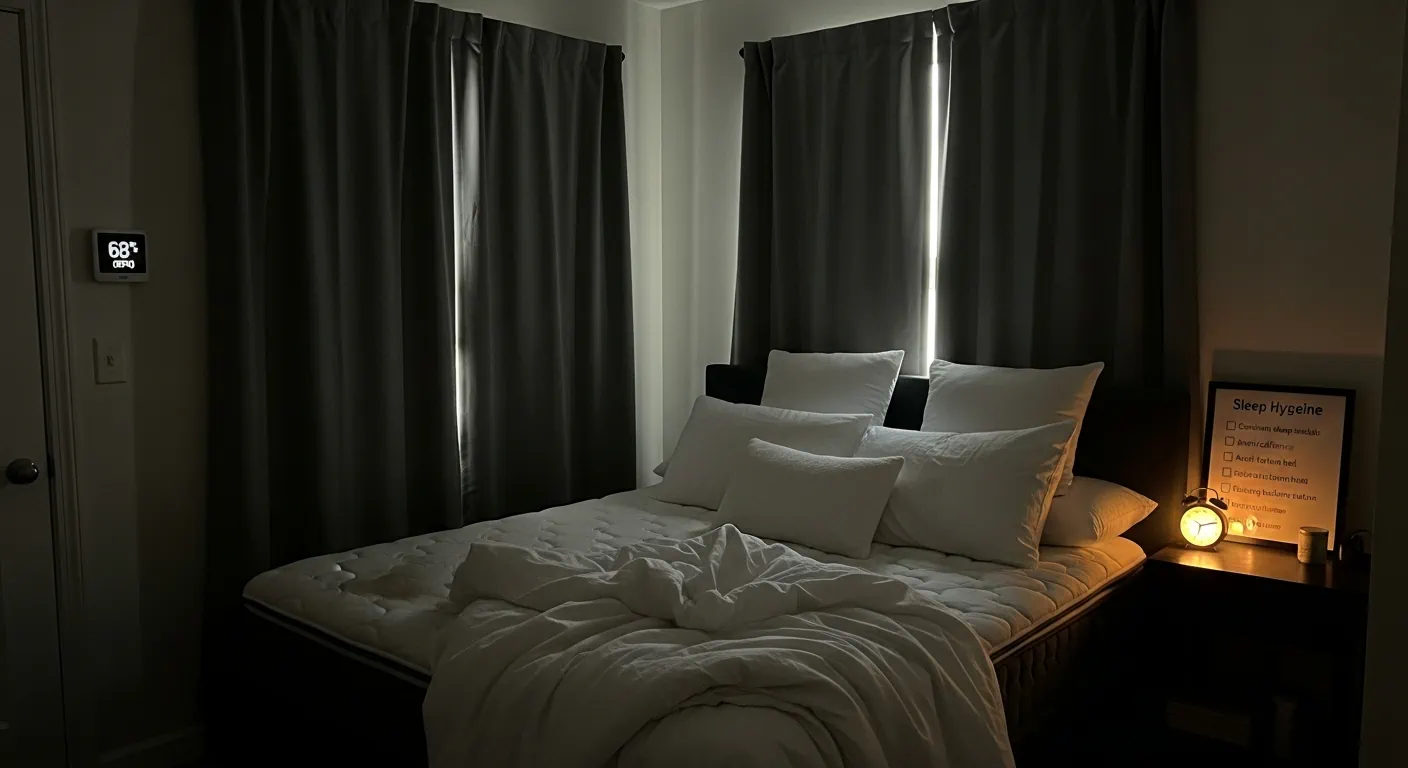
Your bedroom should be a sanctuary for rest, designed to promote deep and uninterrupted sleep. Environmental factors play a significant role in our ability to fall asleep and stay asleep.
Temperature: The Cool Advantage
- Keep your bedroom cool. The ideal temperature for sleep is generally between 60-67 degrees Fahrenheit (15-19 degrees Celsius). A cooler environment helps your body temperature drop, which is a natural signal for sleep.
- Experiment to find what feels most comfortable for you. Some individuals may prefer slightly warmer or cooler temperatures.
Light: Embrace the Darkness
- Make your bedroom as dark as possible. Even small amounts of light can interfere with melatonin production, the hormone that regulates sleep.
- Use blackout curtains or blinds to block out external light.
- Avoid electronic devices with bright screens in the bedroom. If you must use them, consider using a blue light filter.
Sound: The Comfort of Quiet (or White Noise)
- Minimize noise disruptions. If you live in a noisy environment, consider using earplugs.
- White noise machines or fans can help mask disruptive sounds and create a consistent, soothing auditory backdrop. The consistent hum can be particularly effective for blocking out sudden, jarring noises.
The Impact of Daily Habits on Sleep Quality
What you do throughout the day significantly influences how well you sleep at night. From diet and exercise to screen time and stress management, these habits are integral to mastering your sleep habits for adults.
Diet and Hydration: Fueling Your Sleep
- Limit caffeine and alcohol, especially in the hours before bed. Caffeine is a stimulant that can keep you awake, while alcohol, though it may induce sleepiness initially, often disrupts sleep later in the night.
- Avoid heavy meals close to bedtime. A light snack is acceptable if you're hungry, but a large meal can lead to discomfort and indigestion.
- Stay hydrated throughout the day, but reduce fluid intake in the evening to minimize nighttime bathroom trips.
Exercise: Timing is Everything
- Regular physical activity can greatly improve sleep quality. However, avoid intense workouts too close to bedtime.
- Aim to finish vigorous exercise at least 2-3 hours before you plan to sleep. Lighter activities like stretching or yoga can be done closer to bedtime.
Screen Time and Blue Light
- The blue light emitted from electronic devices (phones, tablets, computers, TVs) can suppress melatonin production. This makes it harder to fall asleep.
- Try to avoid screens for at least an hour before bed. If you must use them, utilize night mode or blue light filters. This is a crucial component of better sleep habits.
Developing a Relaxing Pre-Sleep Routine
A consistent bedtime routine signals to your brain and body that it's time to wind down and prepare for sleep. This ritual can help reduce stress and anxiety, making it easier to transition from wakefulness to sleep.
Strategies for a Soothing Wind-Down
- Create a ritual that you enjoy and can stick to. This could include:
- Reading a physical book (not on an e-reader with a backlight).
- Taking a warm bath or shower.
- Listening to calming music or a podcast.
- Practicing light stretching or meditation.
- Journaling to clear your mind of worries.
- Avoid stimulating activities such as intense work, stressful conversations, or engaging in highly competitive games.
Differentiating Your Routine for Deeper Relaxation
To truly stand out from generic advice, consider incorporating unique elements into your routine. For instance, Mindful Breathing Exercises are gaining traction. A study published in the Journal of Sleep Research (2024) indicated that specific diaphragmatic breathing techniques could reduce sleep onset latency by up to 20%. Another trend involves Aromatherapy. Essential oils like lavender have long been associated with relaxation; a recent review in Complementary Therapies in Medicine (2023) confirmed their positive effects on sleep quality for many individuals. Incorporating these evidence-based practices can elevate your wind-down process significantly.
Addressing Common Sleep Disruptions
Even with the best intentions, sleep disruptions can occur. Recognizing common culprits and knowing how to address them is key to maintaining good sleep hygiene.
Napping Wisely
- Short power naps (20-30 minutes) can be beneficial for boosting alertness during the day.
- Avoid long or late-afternoon naps, as they can interfere with your ability to fall asleep at night.
Managing Stress and Anxiety
- Stress is a major sleep thief. Developing coping mechanisms for stress is vital. Techniques like mindfulness, deep breathing exercises, and regular physical activity can help.
- If racing thoughts keep you awake, try "worry time" earlier in the day where you jot down your concerns and potential solutions.
When to Seek Professional Help
If you consistently struggle with sleep despite implementing these best sleep habits for adults, it's important to consult a healthcare professional. Persistent insomnia, excessive daytime sleepiness, or snoring that disrupts your sleep may indicate an underlying sleep disorder such as sleep apnea or restless legs syndrome. Early diagnosis and treatment are crucial for restoring healthy sleep patterns and improving overall health. This is a key piece of advice often overlooked when focusing solely on self-help strategies.
Frequently Asked Questions About Sleep Habits
Q1: How long does it take to establish new sleep habits? It typically takes about 21-30 days for a new habit to become ingrained. Consistency is key during this period. Stick with your new routine, and your body will gradually adapt, making it easier to maintain these healthy sleep practices long-term.
Q2: Can napping too much affect my nighttime sleep? Yes, long or late-afternoon naps can significantly impact your ability to fall asleep at night. They can reduce your "sleep drive," making you less tired when it's time for bed. Short, early-afternoon naps are generally considered more beneficial.
Q3: What is the best temperature for sleeping? The ideal bedroom temperature for sleep is generally between 60-67 degrees Fahrenheit (15-19 degrees Celsius). This cooler environment aids in the natural drop of your body temperature, which is a signal for sleep onset and maintenance.
Q4: Is it okay to use my phone in bed before sleeping? It's highly recommended to avoid using electronic devices with bright screens for at least an hour before bed. The blue light emitted can suppress melatonin production, making it harder to fall asleep. If you must use a device, enable night mode or blue light filters.
Conclusion: Prioritize Your Sleep for a More Energized Life
Adopting best sleep habits for adults is an investment in your overall health, well-being, and daily performance. By consistently applying these strategies—establishing a regular schedule, optimizing your sleep environment, minding your daily habits, and creating a relaxing wind-down routine—you can significantly improve your sleep quality and, consequently, your energy levels. Remember that prioritizing sleep is not selfish; it's essential for being your best self.
What are your biggest sleep challenges? Share your thoughts and experiences in the comments below! If you found this guide helpful, please share it with your friends and family. For more insights into managing sleep and improving your well-being, consider exploring related articles on stress reduction techniques and the impact of nutrition on sleep.
Information timeliness and update frequency recommendations: This content provides foundational advice. While sleep science evolves, these core principles remain stable. Updates could focus on emerging research in sleep technology, personalized sleep tracking, or new therapeutic approaches to insomnia, perhaps annually or bi-annually.
*Expandable related subtopics for future updates:
- The Role of Gut Health in Sleep Regulation
- Advanced Sleep Tracking Technologies and Their Effectiveness
- Cognitive Behavioral Therapy for Insomnia (CBT-I): A Deeper Dive*