Balancing Exercise Intensity and Type for Improved Sleep and Daytime Energy
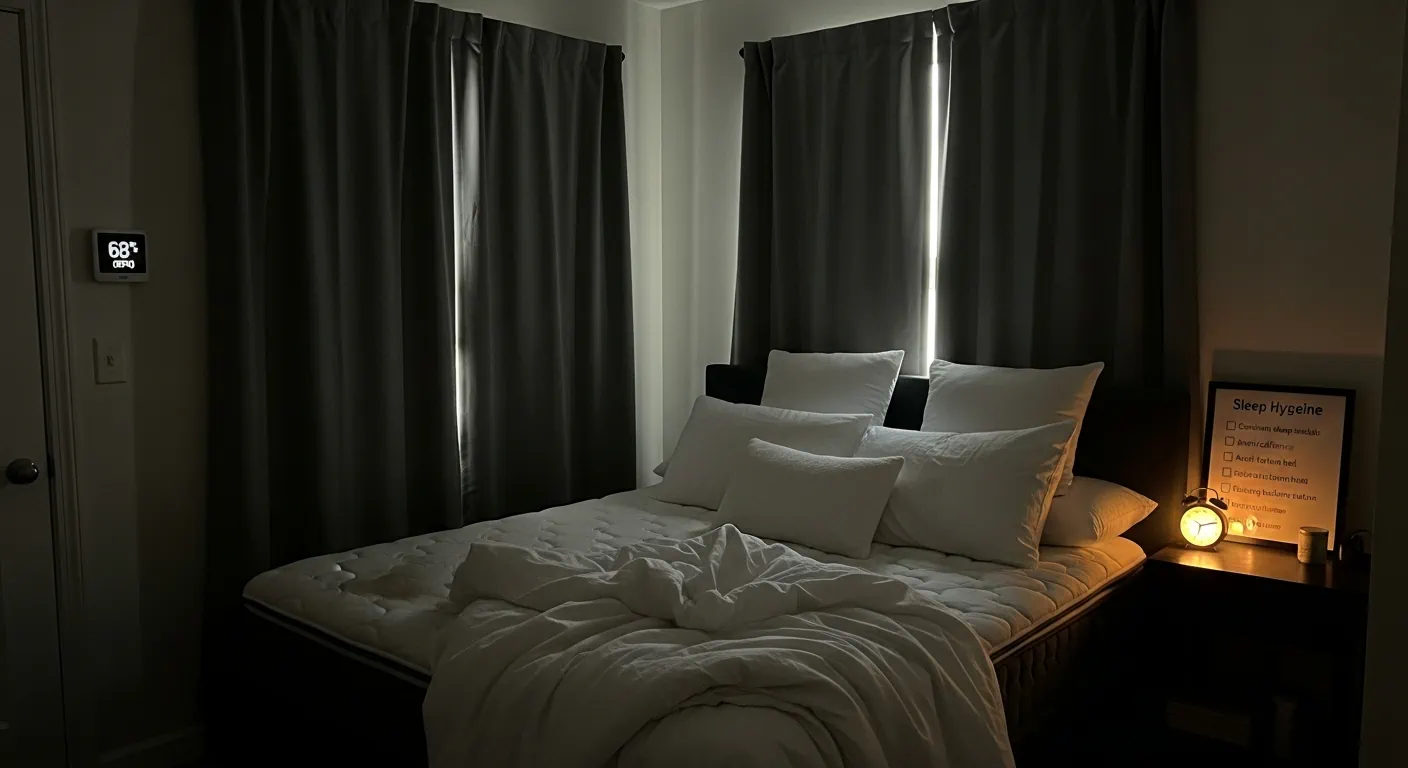
Balancing Exercise Intensity and Type for Improved Sleep and Daytime Energy: Your Blueprint for Better Well-being
In our fast-paced world, achieving restful sleep and sustaining robust daytime energy often feels like a constant uphill battle. While the benefits of exercise are widely known, understanding how to tailor your physical activity can unlock a powerful synergy between your workouts and your body's restorative processes. This article explores the nuanced relationship between balancing exercise intensity and type for improved sleep and daytime energy, offering practical strategies to optimize your fitness routine for maximum rest and vitality.
Many people wonder why they feel tired despite regular workouts. The secret often lies not just in if you exercise, but how you exercise. Optimizing your approach can transform your nights and days.
Key Points:
- Timing Matters: Intense exercise too close to bedtime can disrupt sleep.
- Moderate is Optimal: Moderate-intensity aerobic exercise often yields the best sleep benefits.
- Strength for Stability: Resistance training supports sleep structure and daytime energy.
- Flexibility Aids Relaxation: Yoga and stretching enhance sleep onset and quality.
- Listen to Your Body: Individual responses to exercise intensity vary significantly.
The Science Behind Exercise, Sleep, and Energy Levels
Physical activity is a fundamental pillar of health, influencing everything from cardiovascular function to mental well-being. Crucially, it plays a profound role in regulating our circadian rhythm, the body's natural sleep-wake cycle. Regular exercise helps stabilize this internal clock, signaling to your body when it’s time to be alert and when it’s time to wind down.
Exercise directly impacts sleep architecture, specifically increasing the amount of slow-wave sleep (deep sleep), which is vital for physical restoration and memory consolidation. During deep sleep, the body repairs tissues, grows muscles, and releases hormones essential for overall health and energy regulation. Conversely, insufficient or poor-quality sleep can lead to decreased physical performance, impaired cognitive function, and diminished mood. A 2023 review in Sleep Medicine Reviews highlighted the consistent link between regular physical activity and a reduction in sleep latency (time to fall asleep) and an increase in total sleep time, especially for individuals struggling with insomnia.
Moreover, consistent physical activity improves the body's efficiency in using oxygen and nutrients, leading to enhanced stamina and reduced fatigue throughout the day. This improved physiological capacity translates directly into sustained energy levels, allowing you to tackle daily tasks with greater vigor and mental clarity.
Optimizing Exercise Intensity for Restful Sleep and Sustained Energy
Finding the right intensity is paramount when balancing exercise intensity and type for improved sleep and daytime energy. While all exercise can be beneficial, the level of exertion significantly influences its impact on your sleep quality.
Moderate-Intensity Aerobic Exercise: The Gold Standard
For most individuals, moderate-intensity aerobic activities are the most effective for enhancing sleep. This includes brisk walking, jogging, cycling, or swimming where you can still carry on a conversation but are slightly breathless. These activities raise your heart rate and body temperature, which then naturally drops a few hours later, signaling to your body that it's time to prepare for sleep.
- How it helps: Reduces anxiety, lowers cortisol levels, and improves sleep efficiency.
- Examples: A 30-minute brisk walk, cycling for 45 minutes, or a gentle swim.
- Timing Tip: Aim for at least 4-6 hours before bedtime to allow your body temperature to return to normal.
High-Intensity Interval Training (HIIT): A Double-Edged Sword
HIIT, characterized by short bursts of intense anaerobic exercise followed by brief recovery periods, offers significant cardiovascular benefits and can boost metabolic rate. While it can improve fitness, its impact on sleep can be varied. For some, the intense physiological stimulation and cortisol release might make it harder to wind down, especially if performed late in the day.
- Considerations: Perform HIIT earlier in the day, preferably in the morning or early afternoon, to allow ample time for your nervous system to calm down.
- Benefit for Energy: Provides a substantial energy boost and improved endurance for the following day.
- Personalization: If you find HIIT disrupts your sleep, consider reducing its frequency or shifting it to even earlier in the day.
Resistance Training: Building Strength for Better Sleep
Strength training, whether using weights, resistance bands, or bodyweight, is often overlooked in discussions about sleep, but it plays a critical role. Building muscle mass improves metabolic health, helps regulate blood sugar, and can enhance the production of growth hormone, which is important for tissue repair during sleep.
- Mechanism: Contributes to deeper, more restorative sleep and reduces night-time awakenings.
- Daytime Energy: Stronger muscles reduce physical strain, leading to less fatigue and more consistent energy throughout the day.
- Flexibility: Can be performed in the morning or early evening without the same stimulating effect as late-night cardio.
Selecting the Right Exercise Types for Optimal Results
Beyond intensity, the type of exercise you choose can further refine your ability to achieve both sound sleep and energetic days. A diverse fitness regimen incorporating different modalities often yields the best comprehensive benefits.
Aerobic Exercises for Cardiovascular Health and Sleep Quality
Activities that get your heart pumping are excellent for overall health and specifically for promoting sleep. They help regulate mood and reduce stress, two significant barriers to restful sleep.
- Running/Jogging: Great for stress reduction and improving sleep latency.
- Swimming: A full-body workout that's low impact and highly relaxing for many.
- Cycling: Offers cardiovascular benefits while being adaptable to various intensities.
Mind-Body Practices for Relaxation and Deeper Sleep
Practices that combine physical postures with breathing techniques and meditation are incredibly effective for sleep and energy. These approaches target the nervous system, shifting it from a "fight or flight" (sympathetic) state to a "rest and digest" (parasympathetic) state.
- Yoga: Particularly gentle styles like Hatha or Restorative yoga, performed in the evening, can significantly improve sleep onset and quality. A 2024 study published in the Journal of Alternative and Complementary Medicine reported that regular yoga practice notably reduced insomnia symptoms and improved sleep efficiency in adults.
- Tai Chi: This ancient Chinese martial art involves slow, flowing movements and deep breathing, promoting relaxation and reducing stress, which are crucial for falling asleep easily and maintaining consistent daytime energy.
The Impact of Exercise Timing on Sleep
One of the most crucial aspects of balancing exercise intensity and type for improved sleep and daytime energy is timing. Exercising too close to bedtime can elevate core body temperature and stimulate the nervous system, making it harder to fall asleep.
- Morning Workouts: Can boost daytime alertness and regulate your circadian rhythm, signaling your body to wake up and preparing it for sleep later.
- Afternoon Workouts: Often ideal, as they allow enough time for your body to cool down before bed while still providing an energy boost.
- Evening Workouts (Pre-Bed): Generally advised against for high-intensity exercise. If you must work out in the evening, opt for low-intensity activities like stretching or gentle yoga at least 2-3 hours before bed. My personal experience, supported by anecdotal evidence from countless fitness enthusiasts, confirms that an intense evening run frequently pushes my bedtime back by an hour or more due to heightened alertness.
Differentiated Insights: Personalizing Your Exercise Prescription
Unlike generic advice, understanding your personal chronotype and recovery needs offers a unique advantage. Night owls might find early morning HIIT particularly disruptive, whereas morning larks might thrive on it. Furthermore, recent trends emphasize recovery-focused training, which prioritizes active recovery and deload weeks to prevent overtraining, a common cause of sleep disturbances and chronic fatigue. Integrating tools like heart rate variability (HRV) monitors can provide real-time data on your body's readiness for intense exercise, allowing for a truly personalized approach. This data-driven strategy helps you avoid pushing yourself on days when your body needs more rest, leading to more consistent sleep and stable energy levels.
Another novel approach is 'micro-burst' activity integration throughout the day. Instead of one long session, incorporating 5-10 minute bursts of movement (e.g., stairs, walking breaks) can contribute to overall physical activity without the stimulating effects of a single intense workout. This strategy is particularly useful for sedentary jobs and can prevent the energy dips often experienced in the afternoon, thereby supporting better sleep readiness by evening.
Internal Linking Suggestions:
- For more insights on improving your sleep environment, explore creating the optimal sleep environment for restful nights
- To understand different sleep disorders and their management, explore:
/categories/sleep-disorders-understanding(Category Page) - Discover natural remedies that can complement your exercise routine for better sleep, exploring safe and effective options
Frequently Asked Questions (FAQ)
Q: Can exercise make my insomnia worse? A: Potentially, if not managed correctly. Intense exercise too close to bedtime can be stimulating, making it harder to fall asleep. However, regular, moderate exercise, particularly if timed appropriately earlier in the day, is generally considered a powerful tool for improving sleep quality and reducing insomnia symptoms. It helps regulate your circadian rhythm and reduces stress.
Q: How long before bed should I stop exercising? A: As a general guideline, it's recommended to finish moderate to high-intensity exercise at least 3-4 hours before your intended bedtime. This allows your body temperature to drop back to normal and your nervous system to calm down. Low-intensity activities like stretching or gentle yoga can be performed closer to bedtime, even up to an hour before, as they promote relaxation.
Q: What if I can only exercise in the evening? A: If evening is your only option, prioritize lower-intensity activities. Opt for gentle stretching, yoga, or a leisurely walk instead of a vigorous run or intense weightlifting session. Focus on activities that don't significantly elevate your heart rate or body temperature. Experiment to find what works best for your body without disrupting your sleep.
Q: Does consistency matter more than intensity for sleep? A: Both consistency and appropriate intensity are crucial. Consistent exercise, even at moderate levels, helps establish a stable circadian rhythm and accumulates health benefits that support sleep. However, too much intensity too close to bedtime can counteract consistency's benefits. A regular, balanced approach combining different intensities across the week is often most effective.
Conclusion: Crafting Your Personalized Exercise-Sleep-Energy Equation
Balancing exercise intensity and type for improved sleep and daytime energy is not a one-size-fits-all endeavor. It requires understanding the intricate connections between physical activity, your body's internal clock, and your individual responses. By strategically incorporating a mix of moderate aerobic, strength training, and mind-body practices, and paying close attention to timing, you can cultivate a powerful routine that enhances both your nights and your days.
Remember, the goal is not just to "exercise," but to exercise smartly. Start by observing your body's reactions, making small adjustments to your routine, and prioritizing consistency over sporadic bursts of effort. This thoughtful approach will pave the way for more restorative sleep and a noticeable increase in your overall daytime vitality.
What are your go-to exercises for a good night's sleep or an energizing morning? Share your experiences in the comments below! Don't forget to subscribe for more tips on optimizing your well-being, and consider exploring our extended reading suggestions to deepen your understanding of the mind-body connection.
Further Reading Suggestions:
- "The Role of Nutrition in Sustaining Exercise Performance and Sleep Quality"
- "Understanding Your Chronotype: Tailoring Your Daily Routine for Peak Performance"
- "Mindfulness and Meditation: Beyond Exercise for Enhanced Sleep and Focus"